What Was Dr. Seuss' First Book?
Dr. Seuss, a name that resonates with both the young and the young at heart, has woven himself into the fabric of children's literature with his whimsical characters, playful rhymes, and vibrant illustrations. His stories have not only entertained countless children but have also provided valuable life lessons along the way, fostering a love for reading that transcends generations. From the mischievous Cat in the Hat to the wise, green Grinch, Dr. Seuss’s creations have become beloved staples in countless homes and classrooms around the world.
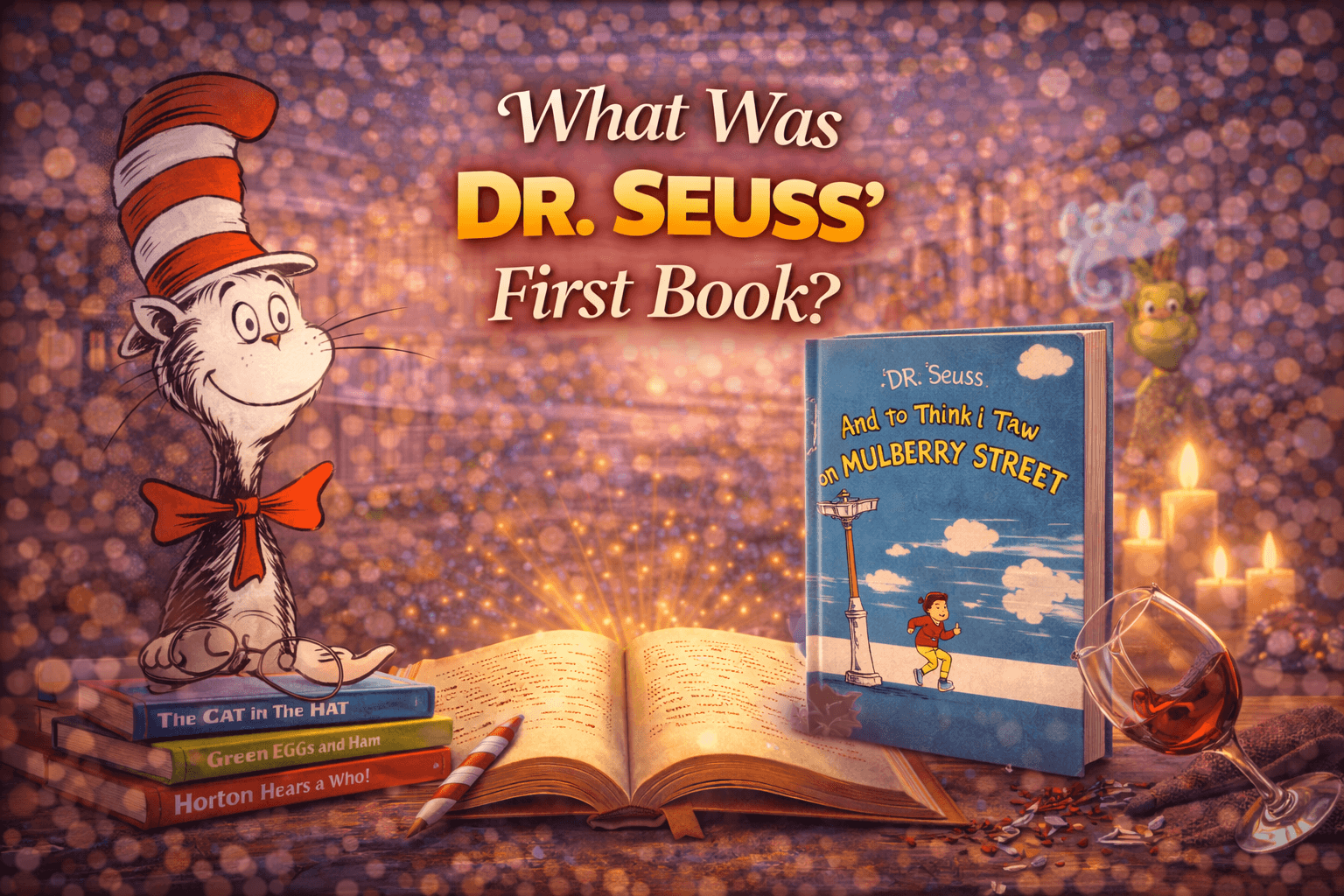
Yet, amidst the delightful chaos of his imaginative worlds, many readers find themselves pondering an intriguing question: what was Dr. Seuss's first book? This curiosity speaks to the heart of his journey as an author. Starting from humble beginnings, Theodor Seuss Geisel, known to us as Dr. Seuss, published his first book in 1937. Titled "And to Think That I Saw It on Mulberry Street," this charming tale introduces us to young Marco, whose vivid imagination transforms the ordinary into the extraordinary.
Understanding the origins of Dr. Seuss's work allows us to appreciate not only his remarkable evolution as a writer but also the enduring impact his stories have had on fostering creativity in children. So, as we delve deeper into his first book, we invite you to explore the magic that sparked a legacy of laughter, learning, and love for reading.
The First Book: And to Think That I Saw It on Mulberry Street
In "And to Think That I Saw It on Mulberry Street," Dr. Seuss takes us on a delightful journey with a young boy named Marco. Set against the backdrop of a seemingly mundane street, the story begins with Marco’s daily walk home from school. As he strolls along Mulberry Street, his imagination runs wild, transforming the ordinary sights he sees into a parade of extraordinary characters. From a marching band of elephants to a tiger riding a bicycle, each page bursts with whimsical illustrations and clever rhymes that invite readers to see the world through Marco's eyes.
This book, first published in 1937, holds a special place in Dr. Seuss's career. It was not only his debut as a children's author but also the genesis of his unique storytelling style. At the time, publishing houses were often hesitant to embrace such unconventional narratives, yet Marco’s imaginative escapades captured the hearts of young readers. The success of "Mulberry Street" set the stage for Dr. Seuss’s future, allowing him to carve out a niche in children’s literature where creativity and imagination reign supreme.
Interestingly, the path to publication was not a smooth one for Dr. Seuss. After facing numerous rejections, he finally found a publisher willing to take a chance on his work. This initial struggle is a testament to his resilience and passion for storytelling. It reminds us that every successful journey can start with a series of setbacks. Once released, the book quickly gained popularity, and it was clear that Dr. Seuss had tapped into something special, an ability to engage children’s imaginations while imparting valuable lessons about creativity and perspective.
Today, "And to Think That I Saw It on Mulberry Street" is celebrated not just as Dr. Seuss’s first book but as a cornerstone of his legacy. It remains a favorite among parents and children, a timeless reminder that the world is full of possibilities if we dare to dream. By encouraging children to view their surroundings through a lens of imagination, Dr. Seuss has helped countless young readers appreciate the beauty of creativity and storytelling. So, when pondering what was Dr. Seuss's first book, it becomes clear that he laid the foundation for a magical world that continues to inspire readers of all ages.
Impact on Children's Literature
The impact of Dr. Seuss's first book, "And to Think That I Saw It on Mulberry Street," reverberates throughout children's literature, paving the way for a body of work that has transformed how children engage with stories. This debut introduced readers to the whimsicality of Seuss's imagination, characterized by vibrant characters, playful rhymes, and an overarching theme of creativity. By encouraging children to embrace their thoughts and explore the extraordinary possibilities in their everyday lives, Seuss set a benchmark for what children’s literature could achieve.
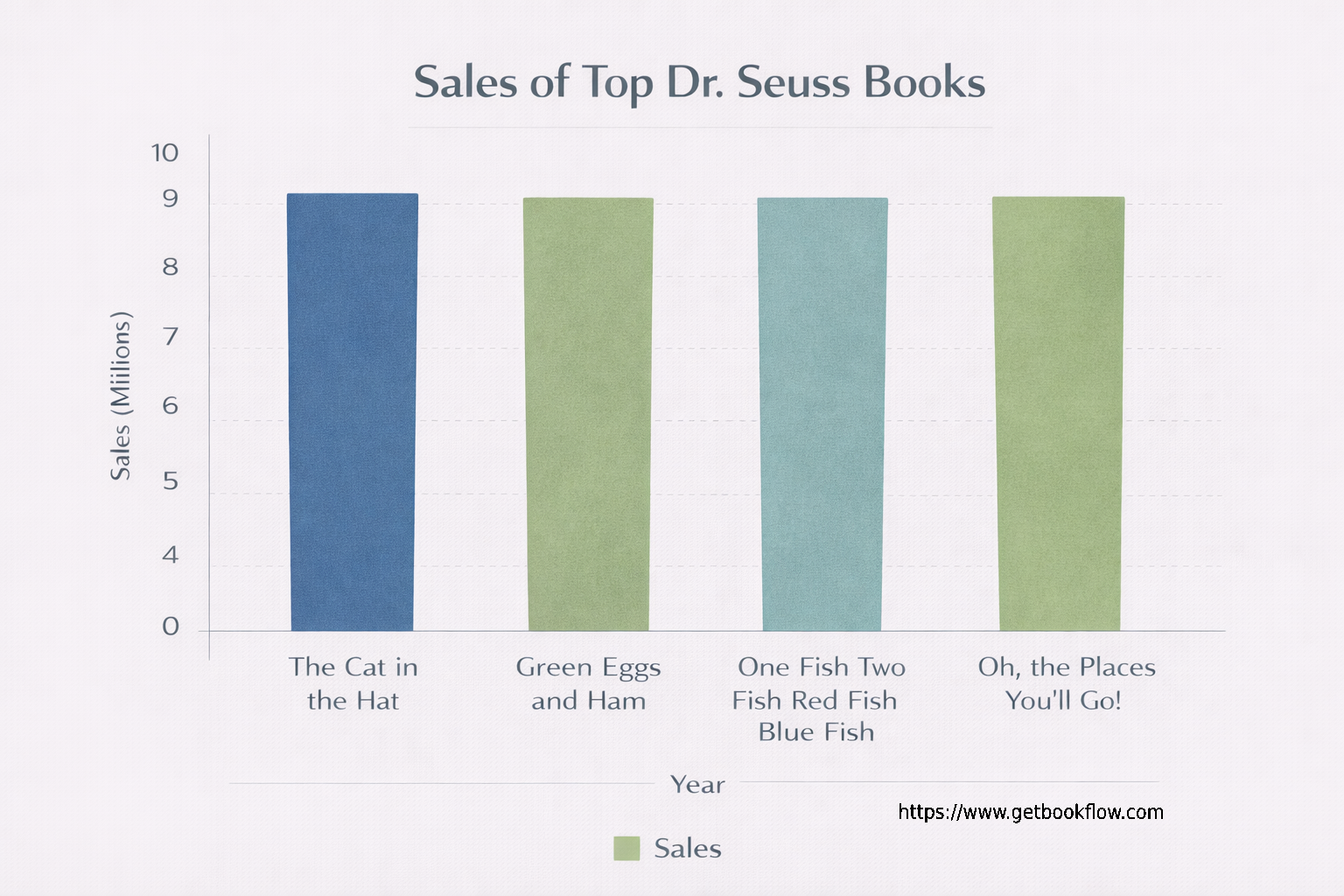
In the years following the publication of his first book, Dr. Seuss went on to write over 60 titles, many of which became classics. Today, his works continue to dominate the children’s book market. For instance, in 2022, "Green Eggs and Ham" was reported to have sold over 17 million copies worldwide, while "The Cat in the Hat" boasts sales nearing 12 million. Such statistics illustrate not only the enduring popularity of his stories, but also how they have become staples in family libraries across generations.
This remarkable success is no coincidence. The playful language and inventive illustrations in Seuss's books have not only captivated young readers but have also fostered a love for reading that is essential during formative years. His unique approach to storytelling has influenced countless authors and continues to inspire children to start their own literary journeys. When we reflect on what was Dr. Seuss's first book, we acknowledge the ripple effect it has had, solidifying his place as a beloved figure in children's literature and a catalyst for imagination.
Legacy and Continuing Influence
The legacy of Dr. Seuss, particularly stemming from what was Dr. Seuss's first book, "And to Think That I Saw It on Mulberry Street," is profound and enduring. Since its publication in 1937, this whimsical tale has set a precedent for creativity and imagination in children's literature. It introduced readers to a world where the ordinary transforms into the extraordinary, a hallmark of Seuss's storytelling.
Over the years, "Mulberry Street" has been celebrated and adapted in various forms, reminding us of its timeless appeal. For instance, it has inspired several stage adaptations, bringing its vibrant characters to life in enchanting performances that continue to delight audiences young and old. In recent years, it has even made its way into animated formats, with adaptations that are accessible to a new generation of children eager to explore its wonders.
Statistics reveal the book's ongoing relevance—it's estimated that over 6 million copies of "Mulberry Street" are in circulation, illustrating its lasting impact on readers. Additionally, a recent survey found that around 60% of parents cite Dr. Seuss as their favorite children’s author, largely due to the imaginative sparks ignited by his works.
As we celebrate the 85th anniversary of "Mulberry Street," it’s clear that Dr. Seuss's influence extends beyond just this initial book. His legacy continues to inspire authors, educators, and parents in nurturing a love for reading and storytelling. This enduring connection to imagination fosters creativity, encouraging countless children to embark on their literary adventures, just as Seuss once did.
Conclusion
In reflecting on what was Dr. Seuss' first book, "And to Think That I Saw It on Mulberry Street," we see not just the beginning of a beloved career but the genesis of a unique way of viewing the world. This charming tale, with its whimsical characters and playful rhymes, served as a springboard for an entire generation's love of reading. It's amazing to think that a simple story about a boy’s imagination could pave the way for so many enchanting tales that followed.
Dr. Seuss had a remarkable talent for transforming the ordinary into the extraordinary, and this first book encapsulates that gift beautifully. It invites readers to embrace their own creativity and curiosity, reminding us all of the magic that can be found in everyday life. Many of us have fond memories of exploring the vibrant worlds he created, whether it was visiting the Cat in the Hat's chaotic home or journeying to the whimsical land of Whoville.
As we celebrate the legacy of Dr. Seuss, I encourage you to delve deeper into his body of work. Each book offers a new adventure and lesson, often wrapped in delightful illustrations and clever wordplay. From "Green Eggs and Ham" to "Oh, the Places You'll Go!" there’s a wealth of stories waiting to ignite imaginations of readers young and old. So, whether you’re reminiscing about your childhood or introducing his works to a new generation, there's no better time to explore the delightful universe of Dr. Seuss.