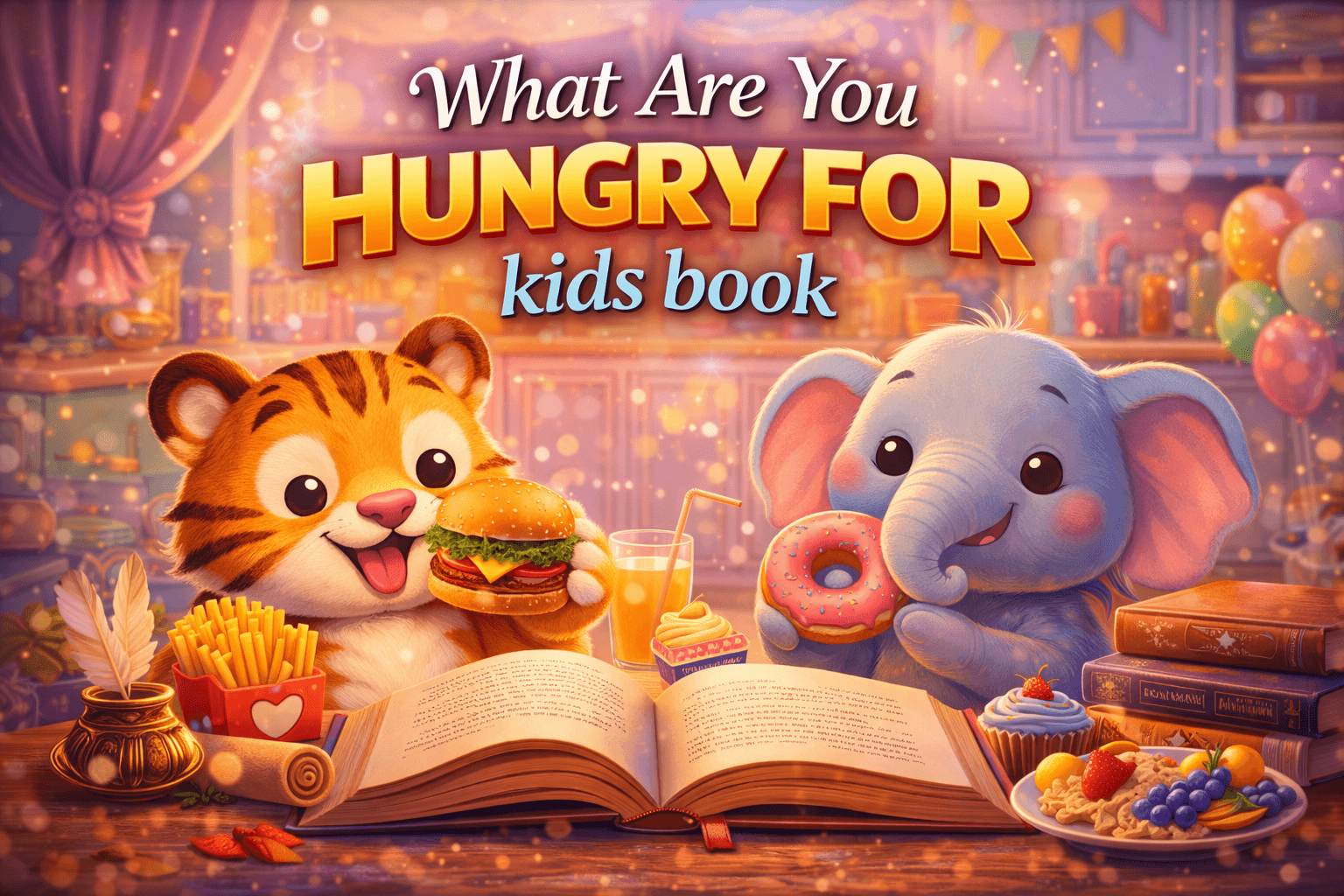
A Gentle Look at This Heartwarming Picture Book
Parents and caregivers often seek books that teach young children about emotions in simple, relatable ways. One such gem is What Are You Hungry For?: Feed Your Tummy and Your Heart by Emme Aronson and Phillip Aronson, illustrated by Erik Brooks. Published in 2003 by HarperCollins, this charming picture book gently explores the difference between physical hunger and emotional needs.
With bold, playful illustrations and a warm narrative, it follows a young narrator who discovers that sometimes we crave more than food, we hunger for love, laughter, and connection. In 2026, as families prioritize emotional literacy alongside nutrition, this book remains a thoughtful choice for building healthy relationships with feelings and food.
This guide draws from Goodreads reviews (average rating 3.68 from over 50 ratings as of 2026), Amazon descriptions, and publisher details. We explore the book's message, themes, reception, and why it resonates with families.
The Book's Story and Message
What Are You Hungry For? centers on a child who feels hungry throughout the day. Sometimes it's for pizza or ice cream, satisfying the tummy. Other times, it's for a hug, a laugh with friends, or a cuddle with a pet, nourishing the heart.
Plot summary: The narrator experiences various "hungers," learning that love from family and friends is the ultimate fulfillment.
Key theme: Distinguishing physical needs from emotional ones, promoting self-esteem and healthy habits.
Style: Rhyming text, vibrant illustrations of a diverse child in everyday scenarios.
Emme, a TV personality and self-esteem advocate, co-wrote it with her husband Phillip. Their goal: help children (and parents) recognize non-food ways to feel "full."
The book ends on an uplifting note: the best treat is love, always available.
Why This Book Matters for Children and Families
In an era where childhood obesity and emotional well-being are key concerns (with pediatric guidelines emphasizing balanced nutrition and mental health), this book offers gentle guidance.
Emotional intelligence: Teaches kids to identify feelings beyond hunger, reducing emotional eating.
Healthy relationships with food: Encourages viewing treats as occasional, while prioritizing affection.
Inclusivity: Illustrations feature diverse activities, relatable to many families.
Read-aloud appeal: Short length (32 pages) and rhythmic text make it perfect for bedtime or circle time.
Reviews praise its positive message for children with food issues or families fostering body positivity.
Reception and Legacy
Upon release, the book received warm feedback for its innovative approach.
Goodreads: Readers note its value for building healthy food relationships, though some find the story simple.
Kirkus Reviews (2003): Highlighted the love shining through, despite patterned text.
Ongoing relevance: In 2026, it aligns with mindfulness trends in children's literature, often recommended alongside books like The Very Hungry Caterpillar for food themes.
Emme's background in advocacy adds authenticity, her work supports eating disorder awareness.
Similar Books for Young Readers
If this resonates, explore:
The Very Hungry Caterpillar by Eric Carle: Classic on appetite and transformation.
I Am Hungry by Michael Rosen: Silly take on insatiable hunger.
I'm Hungry! by Elise Gravel: Humorous monster eating everything.
These promote fun, healthy attitudes toward food.
A Final Thoughtful Note
What Are You Hungry For? reminds us that true nourishment comes from within and around us. In busy family life, it opens gentle conversations about feelings, helping children grow with self-awareness and love.
A sweet addition to any child's library.