What is Animal Farm Book About?
George Orwell, a name that resonates with readers across generations, crafted stories that delve deep into the human experience, often revealing uncomfortable truths. One of his most renowned works, Animal Farm, is not just a tale about farm animals; it serves as a powerful allegory that critiques totalitarianism and explores themes of power, corruption, and betrayal. Published in 1945, this novella remains a pivotal piece of literature that challenges our understanding of governance and morality.
So, what is Animal Farm book about? At its core, it chronicles the rise and fall of a group of farm animals who rebel against their human farmer, dreaming of a society where they can be free and equal. As the story unfolds, it becomes clear that the quest for equality often paves the way for inequality and oppression. Characters like Napoleon, the self-serving pig, and Boxer, the loyal horse, illustrate the stark contrasts between the ideals of revolution and the harsh realities that can emerge.
Orwell's use of animals to represent historical figures from the Russian Revolution adds a layer of depth, making the story both accessible and thought-provoking. Through the eyes of these animals, readers are invited to reflect on the complexities of leadership and the fragility of freedom. As you navigate this rich narrative, you may find yourself questioning not just the events of the story, but also the systems of power in our own lives.
The Allegory of Animal Farm
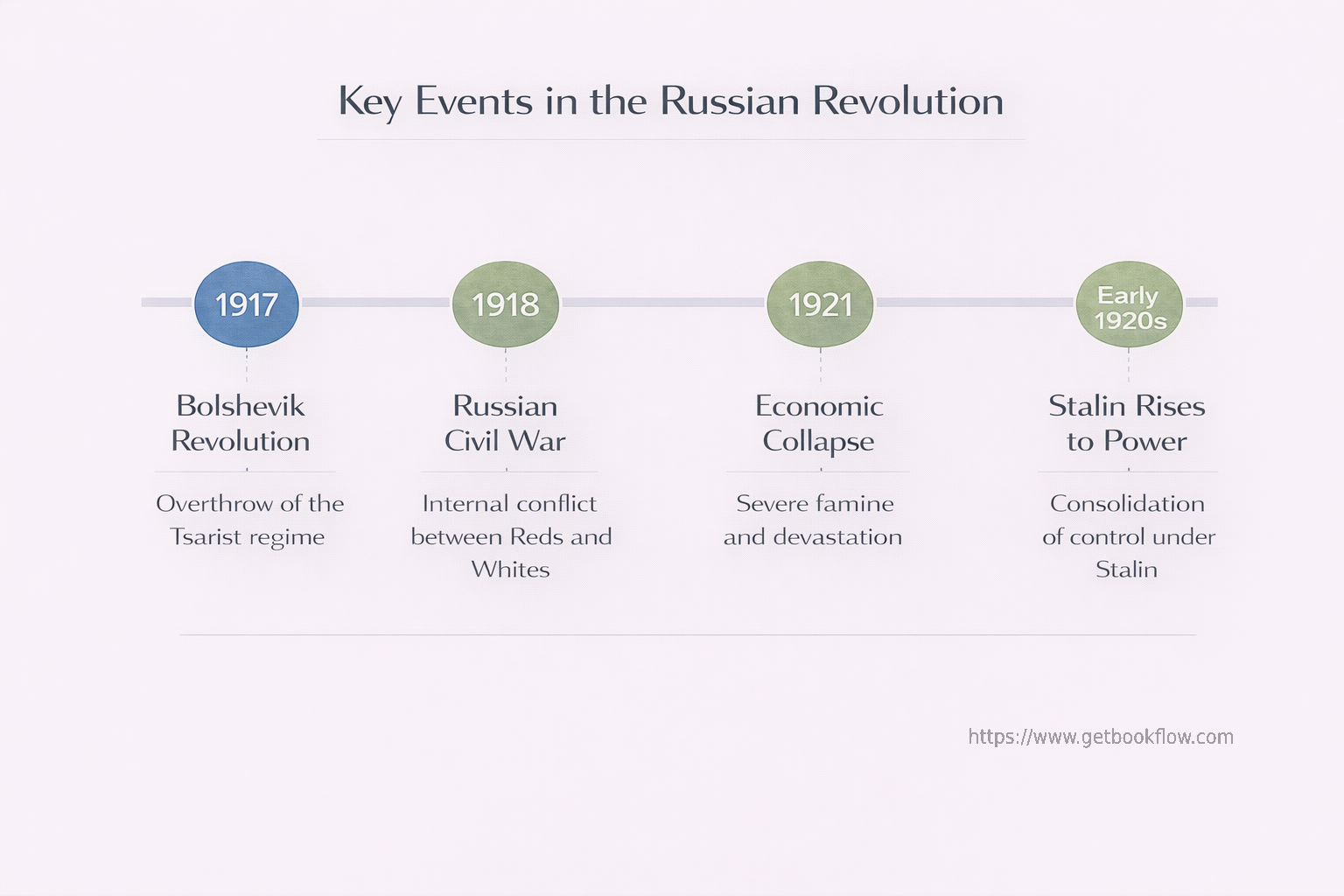
To truly understand what Animal Farm is about, we must first delve into the rich historical context of the Russian Revolution, which began in 1917. This pivotal moment in history saw the overthrow of the Tsarist autocracy and the rise of the Bolshevik Party, led by figures like Vladimir Lenin. By the end of the revolution, Russia transitioned from a monarchy to a communist state, but not without significant turmoil and sacrifice. It’s estimated that around 7 million people died due to the combined effects of war, famine, and repression during this period.
In Animal Farm, George Orwell uses the farm as a powerful symbol of society’s struggle for power. The animals’ revolt against their human owner mirrors the revolution's initial noble ideals of equality and freedom. However, as the pigs gradually assume control and become indistinguishable from their former oppressors, we see a stark reflection of how power can corrupt.
For example, Napoleon, the pig who rises to leadership, represents Joseph Stalin. His gradual consolidation of power and manipulation of the other animals parallel Stalin’s own rise and the oppressive regime that followed. This allegory serves not just as a critique of the historical events, but also invites readers to consider the broader implications of authority, governance, and the often fragile nature of freedom.
In essence, the question of what Animal Farm is about extends beyond its narrative; it challenges us to examine the structures of power in our own lives and the potential for tyranny that can emerge even from the most well-intentioned movements.
Key Characters and Their Symbolism
In Animal Farm, the characters serve as powerful symbols that reflect the complexities of society and politics. Each major figure embodies a particular aspect of human nature and social dynamics, providing valuable insight into the book's central themes.
Napoleon, the sow who becomes a dictatorial leader, symbolizes totalitarian regimes. From the outset, he uses cunning and manipulation to consolidate power, showcasing how authority can corrupt. His rise to dominance illustrates the dangers of unchecked ambition. Consider how he employs propaganda and fear to control the other animals, reflecting historical figures who have subverted noble ideals for personal gain.
Contrast this with Snowball, Napoleon’s rival, who represents the idealistic and progressive leader. Snowball's commitment to innovation and improvement highlights the potential for visionary leadership. However, his expulsion from the farm serves as a stark reminder of how revolutionary ideas can be stifled by authoritarianism. It’s a poignant moment that echoes the fate of many reformers throughout history.
Then there's Boxer, the hardworking horse, who embodies the working class's resilience and loyalty. His mantra, “I will work harder,” speaks to the dedication and sacrifice of many individuals striving for a better life. Unfortunately, his tragic fate reveals the harsh reality of exploitation; despite his unwavering loyalty, he is ultimately discarded when he is no longer useful. This reflects the often-unappreciated contributions of ordinary people in society.
Through these characters, Animal Farm invites readers to explore what is Animal Farm about and how it relates to the essential question of power dynamics and societal structures. Each character’s journey serves as a mirror to our world, prompting us to reflect on the balance between authority and freedom.
Themes Explored in Animal Farm
In Animal Farm, George Orwell masterfully delves into themes of power, corruption, and betrayal. The rise and fall of the pigs on the farm reflect a universal truth about how power can corrupt even the most well-intentioned leaders.
Initially, the animals unite with a shared vision of equality and freedom. However, as the pigs, particularly Napoleon, gain control, they begin to manipulate language and information, altering the original commandments to suit their needs. This transformation not only betrays the other animals but also emphasizes how easily ideals can be compromised when power is at stake.
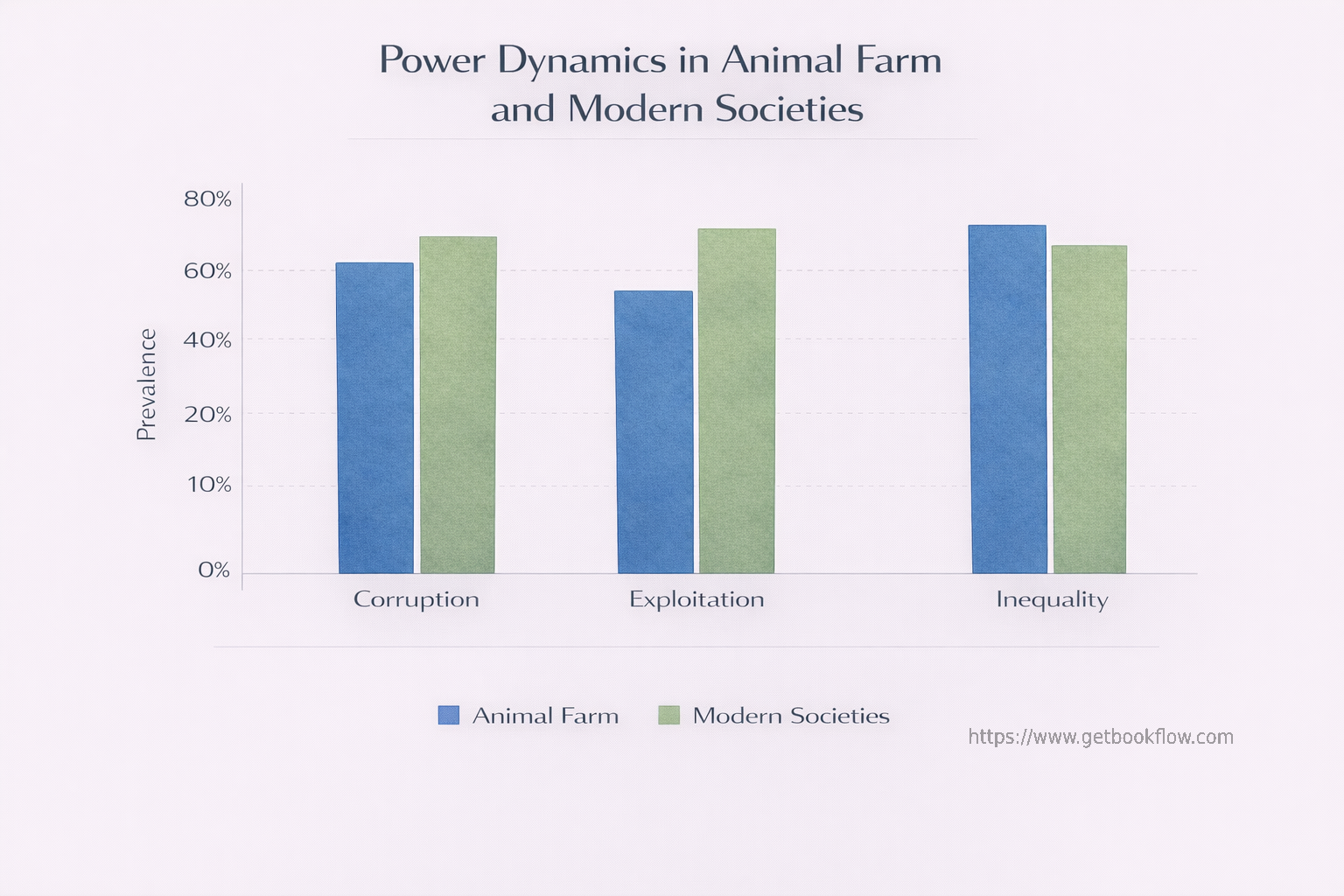
Consider the chilling moment when the animals discover that “All animals are equal, but some animals are more equal than others.” This line succinctly captures the essence of betrayal that resonates deeply in today’s world. How often do we see leaders and institutions that start with noble intentions but ultimately fall prey to exploitative practices? A recent study by the Pew Research Center highlights that 65% of Americans believe corruption in government is a significant problem. This statistic underscores the ongoing relevance of Orwell’s message and invites us to ask ourselves: what is Animal Farm about if not a cautionary tale of the cyclical nature of power?
In both Animal Farm and modern societies, we witness the struggle for authority and the vulnerability of the masses. The narrative serves as a reminder to remain vigilant and engaged, ensuring that we question the motivations of those in power. By exploring these themes, Orwell invites us to reflect on our own roles within societal structures and the importance of accountability and transparency in leadership.
Conclusion
As we wrap up our journey into Animal Farm, it’s essential to reflect on the profound lessons embedded within its pages. At its core, this powerful allegory illustrates the dangers of unchecked power and the ease with which noble ideals can be corrupted. The pigs, once fellow comrades with the other animals, gradually become the very thing they sought to overthrow, a poignant reminder of how revolutions can fall prey to the same tyranny they aimed to dismantle.
Consider the transformation of the farm’s commandments, with the initial promise of equality overshadowed by the chilling proclamation that “all animals are equal, but some animals are more equal than others.” This stark shift not only highlights the fragility of democratic ideals but also serves as a call to vigilance. It encourages us to ask critical questions about our own leadership structures and to actively engage in our communities, whether in politics, workplaces, or personal relationships.
As you reflect on what Animal Farm is about, think about how these themes resonate today. Are we, too, susceptible to becoming complacent in the face of power? Let the story of Animal Farm inspire you to examine your own values and the systems around you. By fostering accountability and transparency, we can work to ensure that history does not repeat itself. After all, the lessons of Animal Farm are not just historical, they are timeless reflections on our shared human experience.