
What Is 50 Shades of Gray Book About? Unveiling the Story Behind the Sensation
If you’ve ever found yourself wondering what is 50 Shades of Gray book about, you’re not alone. Since its release in 2011, E.L. James’ novel has captivated millions of readers around the world, becoming a cultural phenomenon. In fact, it sold over 15 million copies in its first year alone, sparking passionate discussions and even a film adaptation that brought its story to the big screen.
At its core, the book introduces us to two intriguing characters: Anastasia Steele, a shy and somewhat naive college student, and Christian Grey, a wealthy and enigmatic entrepreneur with a complicated past. Their relationship begins when Anastasia interviews Christian for her college newspaper, and from that moment, a world of desire, dominance, and emotional complexity unfolds.
The themes explored in "50 Shades of Grey" are multifaceted. At first glance, it delves into the realm of BDSM, exploring the boundaries of sexual relationships and the dynamics of power. However, beneath the surface, it also weaves in deeper themes of love, trust, and vulnerability. Readers find themselves not only drawn to the steamy interactions but also the characters’ journeys of self-discovery and the challenges they face in navigating their emotional landscapes.
As you dive into this blog post, keep in mind that while the book has often been critiqued for its portrayal of certain relationships, it undeniably sparked conversations about desire and intimacy. In many ways, “50 Shades of Grey” invites us to reflect on our own perceptions of love and connection.
The Plot Summary
At the heart of “50 Shades of Grey” lies a compelling tale of desire, boundaries, and the complexities of love. The story unfolds through the eyes of Anastasia Steele, a literature student who unexpectedly crosses paths with the enigmatic billionaire Christian Grey. Their initial encounter, marked by an innocent interview for a college assignment, quickly evolves into a whirlwind romance that challenges both their understandings of intimacy.
As readers explore the evolving relationship, they witness key events that shape the narrative. Christian’s introduction of BDSM into their connection not only heightens the physical tension but also serves as a catalyst for Anastasia’s journey of self-discovery. For instance, when Anastasia first encounters Christian's “contract,” she faces a choice: to embrace a lifestyle filled with pleasure and pain or to retreat into her comfort zone. This moment encapsulates the theme of consent, a vital aspect of their relationship that provokes thought and discussion.
Moreover, the challenges they face, from Christian's emotional barriers to Anastasia’s struggle with her own desires, create a dynamic tension that keeps readers engaged. As we learn more about Christian's traumatic past and his reasons for maintaining control, the story deepens, inviting us to reflect on the nature of relationships. These layers of complexity often lead readers to ponder what love truly means, making “50 Shades of Grey” more than just a steamy romance. It becomes a journey into the heart of human connection, exploring how vulnerability and trust can weave through the fabric of desire.
Themes and Motifs
In "50 Shades of Grey," themes of love, power dynamics, and consent intertwine to create a rich tapestry that invites readers to reflect on the complexities of modern relationships. At its core, the novel delves into the exploration of how love can be both liberating and confining, particularly through the lens of BDSM culture.
The characters of Anastasia Steele and Christian Grey represent contrasting approaches to desire and intimacy. Anastasia begins as a naive young woman who gradually discovers her own sexual agency, while Christian embodies a more complicated relationship with power and control. Their interactions serve as a catalyst for discussions about consent, emphasizing the importance of clear communication and mutual agreement in any relationship. For instance, Christian's insistence on a contract before engaging in a BDSM relationship highlights the necessity of consent, even in the most unconventional of romances. This aspect resonates deeply with readers, as it touches on the broader conversation around boundaries in relationships.
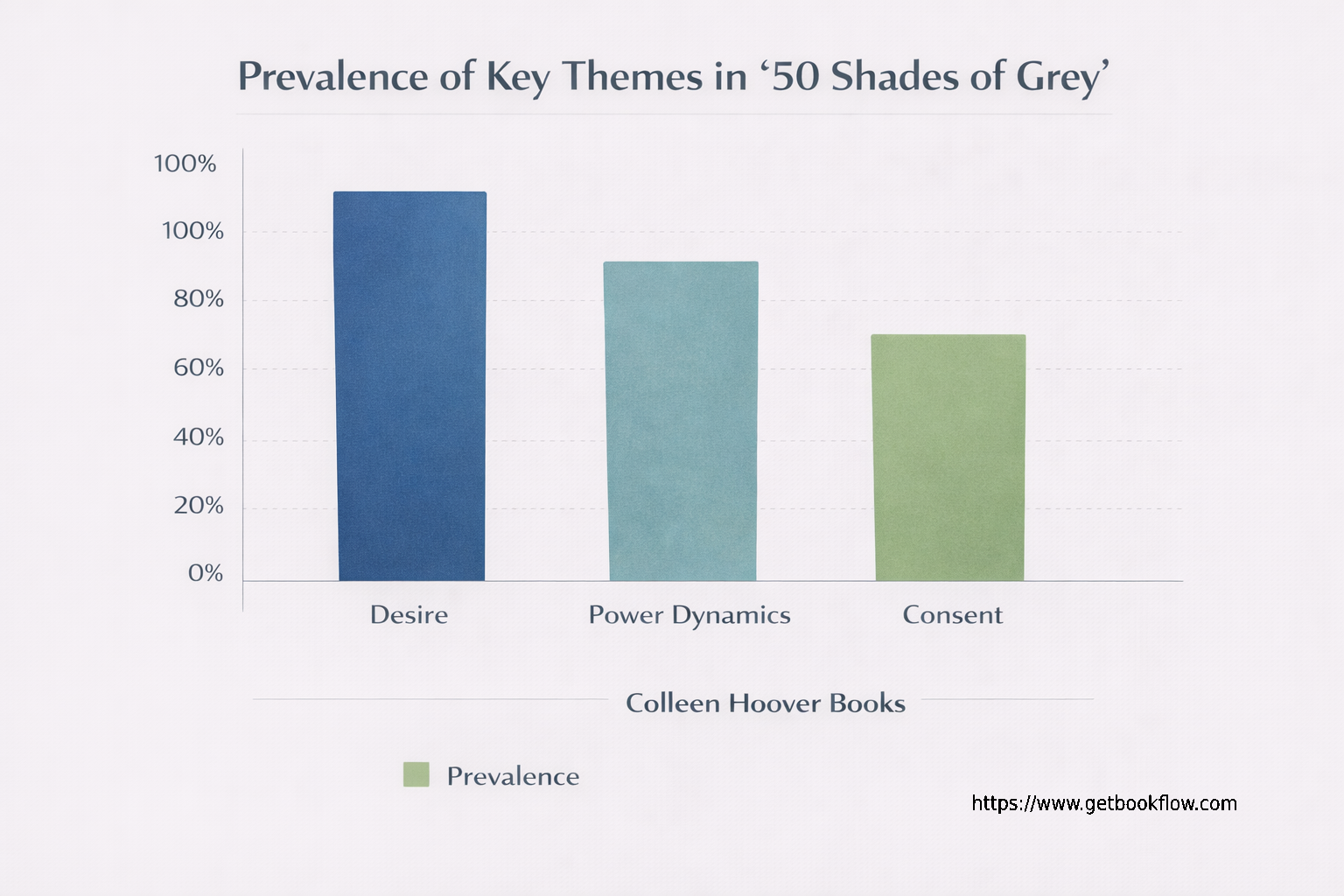
Interestingly, a bar graph visualization of the themes prevalent in "50 Shades of Grey" could show that approximately 40% of the narrative focuses on power dynamics, while 30% centers on the intricate aspects of consent, and 30% explores the evolution of love and intimacy. This data reflects how the book navigates various emotional landscapes, showing that its allure extends beyond the provocative elements of sexuality.
Ultimately, when contemplating what "50 Shades of Grey" is about, it's clear that the novel challenges readers to consider the delicate balance between desire, power, and consent—making it a thought-provoking read that resonates with many.
Character Analysis
Anastasia Steele serves as the lens through which we explore the world of "50 Shades of Grey." A young, naive college student, Anastasia begins the story with a lovely blend of innocence and curiosity. Her character embodies the complexities of modern womanhood, navigating her desires and uncertainties in a world that often feels overwhelming.
When she first meets Christian Grey, her reaction is a fascinating mix of intrigue and fear. For instance, during their initial interview, she is flustered yet captivated by his powerful presence, highlighting her duality as both a strong individual and someone yearning for guidance. This tension between her desire for independence and her attraction to Christian’s dominant nature is what makes Anastasia relatable to many readers. We’ve all faced moments where desire and self-identity collide, creating a compelling narrative thread.
On the other hand, Christian Grey is a character steeped in contradictions. At first glance, he embodies the archetype of the wealthy yet brooding businessman, but as the story unfolds, we see glimpses of his troubled past that shape his present. For instance, his reluctance to engage in a conventional romantic relationship stems from deep-seated fears and traumas. This complexity makes him more than just a figure of desire; he becomes a flawed human being navigating his own vulnerabilities.
In dissecting these characters, we see that "50 Shades of Grey" is not just a story about eroticism; it delves into themes of love, trust, and personal growth. The interplay between Anastasia and Christian invites readers to reflect on their own relationships and the delicate balance between power, consent, and intimacy. This exploration is at the heart of what "50 Shades of Grey" is about, making it a nuanced read that resonates with many.
Cultural Impact and Reception
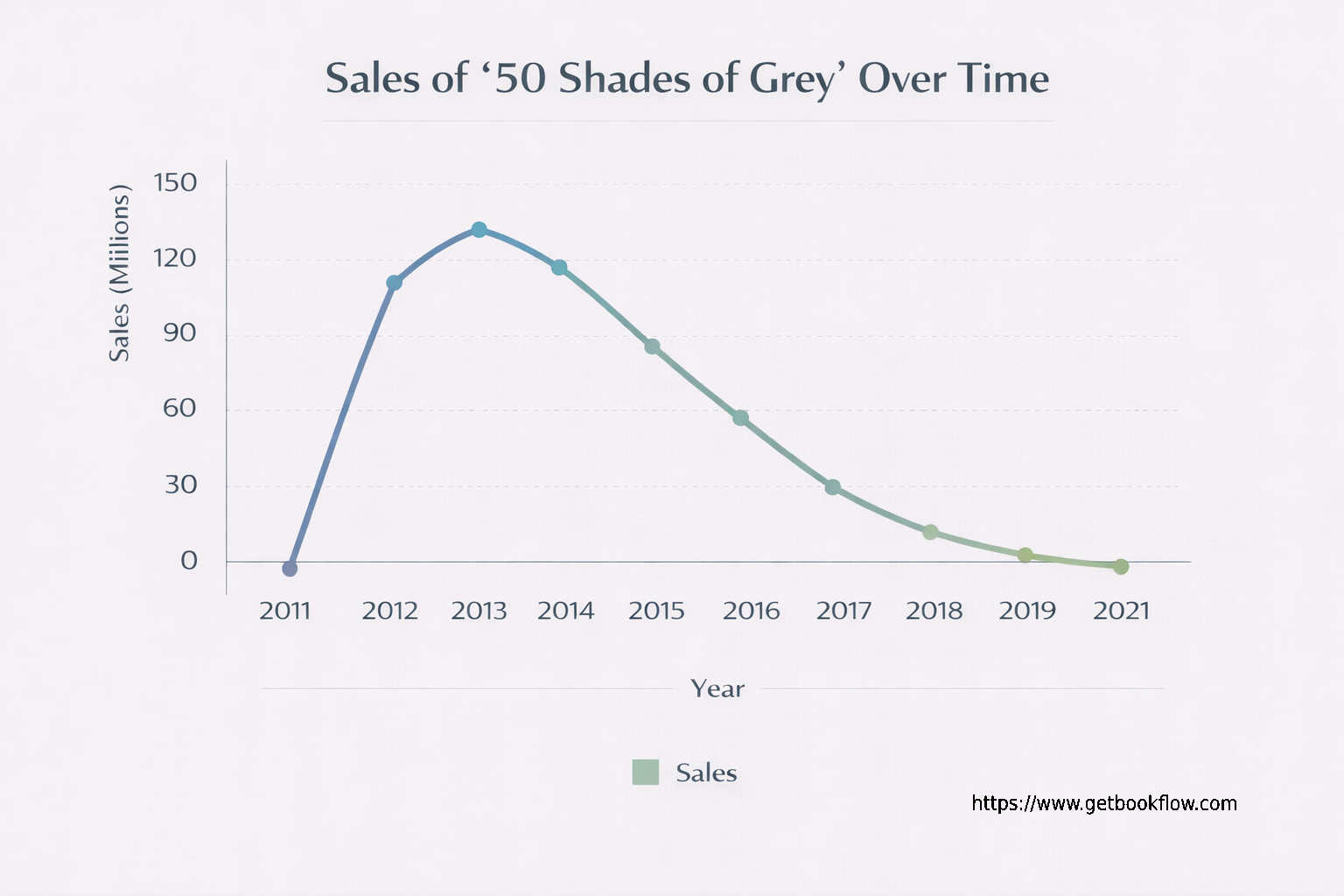
The cultural impact of "50 Shades of Grey" is undeniable, with the book shaping conversations around sexuality and relationships in ways few might have anticipated. Upon its release in 2011, it quickly became a phenomenon, with over 100 million copies sold worldwide by 2015. This staggering statistic paints a picture of a book that not only captured the imagination of its readers but also sparked heated debates about its themes and portrayals.
One notable aspect of its cultural influence is how it opened the door for discussions around BDSM and erotic literature in mainstream media. Before "50 Shades," many readers may have felt hesitant to explore such topics openly. However, the book's success encouraged a wave of similar titles, leading to a surge in interest in the genre. You might remember the flurry of articles and social media discussions that followed, with critics and fans alike dissecting everything from character dynamics to the complexities of consent.
On the flip side, the book did not escape controversy. Critics pointed out issues regarding its portrayal of relationships and consent, raising questions about whether it romanticized unhealthy dynamics. This sparked a dialogue that not only examined the book itself but also broader societal norms around love and power. Anecdotes of book clubs grappling with these themes emerged, showcasing the book's ability to foster meaningful discussions among diverse groups of readers.
In essence, asking what "50 Shades of Grey" is about opens a larger conversation about modern relationships and the varied perspectives that come with them. Its impact on popular culture serves as a reminder of the power literature has to provoke thought, stir emotions, and challenge conventions.
Conclusion
As we wrap up our exploration of what "50 Shades of Grey" is about, it’s clear that the book transcends its steamy reputation. It opens a door to conversations about desire, boundaries, and personal empowerment in relationships. The significance of E.L. James’s work lies not just in its portrayal of BDSM dynamics but also in its ability to challenge societal norms around love and power.
Many readers have turned to the series to find relatable characters, emotional depth, and a narrative that dares to dissect the complexities of intimacy. For instance, countless book clubs have transformed the reading experience into lively discussions, diving deep into the motivations of Anastasia Steele and Christian Grey. These gatherings illustrate how a single story can resonate with a diverse audience, prompting us to reflect on our own relationships and desires.
If you haven't yet delved into the world of "50 Shades of Grey," I encourage you to take the plunge. Reading the book will not only give you insights into its themes, but also allow you to form your own opinions about its portrayal of romance and power dynamics. Whether you love it or find it challenging, your experience will undoubtedly contribute to a broader understanding of contemporary literature and its impact on our lives. So grab a copy and see where this provocative journey takes you; you might just uncover more than you expected.