What Does Books Offer in 2026?
As we step into a rapidly changing world, the role of books in society continues to evolve in fascinating ways. With advancements in technology, shifts in cultural values, and changing lifestyles, understanding what books offer in 2026 becomes increasingly important. It’s not just about the stories we read anymore. Books have become dynamic portals that transport us to different realms of knowledge, creativity, and connection.
For instance, consider how audiobooks have surged in popularity over the last few years. In 2020, the audiobook industry was valued at nearly $3.5 billion, and it’s predicted to continue growing as busy professionals and students seek convenient ways to consume literature while on the go. This shift exemplifies a broader trend: people are finding new ways to engage with content, making books more accessible than ever before.
Moreover, with the rise of e-books and interactive digital formats, traditional print is merging with modern technology. Imagine children using augmented reality to interact with stories as they read, or adults diving into comprehensive e-texts that offer instant access to supplementary materials and discussions.
In 2026, books will likely serve not only as sources of entertainment and knowledge but also as essential tools for fostering community and empathy. As we look ahead, let’s explore how these trends will shape our reading experiences and what we can expect from the literary world in the near future.
The Digital Transformation of Books
As we delve deeper into the question of what books offer in 2026, it's impossible to overlook the remarkable transformation that digital formats have brought to the literary landscape. The rise of eBooks and audiobooks has fundamentally changed how we consume literature, making reading more accessible than ever. According to a report from the Association of American Publishers, eBook sales surged by 20% over the last five years, while print book sales showed a modest increase of 5% during the same period. This shift is reflected in a bar graph that demonstrates how eBooks have captured a larger share of the market, indicating a growing preference for digital formats among readers.
Imagine curling up with your favorite audiobook during a long commute or seamlessly scrolling through an eBook on your tablet while lounging at a café. These experiences have become commonplace, allowing readers to engage with stories in new and exciting ways. Additionally, many eBooks now incorporate multimedia elements, such as embedded videos or interactive quizzes, enriching the reading experience. For instance, a novel might include short documentary clips that provide context to the setting, or a children’s book might feature songs and animations that bring characters to life.

As we embrace these advancements, it’s clear that the digital transformation of books is not just about convenience; it’s about creating a richer narrative experience. In 2026, we can expect that books will not only entertain and inform but also engage our senses in ways we never thought possible, ultimately redefining our relationship with literature.
Books as a Tool for Lifelong Learning
Books have long been a cornerstone for lifelong learning, providing invaluable resources for both professional development and personal growth. As we look ahead to 2026, it is clear that what books offer will continue to shape our knowledge and self-awareness in profound ways.
For professionals, industry leaders and aspiring entrepreneurs alike often turn to books as a means of staying ahead in their fields. A recent study found that 76% of executives credit books as a key resource for enhancing their skills and knowledge. Whether it’s a biography of a successful entrepreneur, a guide on effective leadership, or a deep dive into emerging technologies, books can offer insights that are not only thought-provoking but also practical. For instance, reading “Leaders Eat Last” by Simon Sinek can transform how one approaches team dynamics and organizational culture.
On the personal growth front, self-help books continue to empower individuals in their journeys of self-discovery and improvement. The popularity of titles like “Atomic Habits” by James Clear underscores a growing trend; individuals are increasingly seeking ways to adapt their habits for a more fulfilling life. This genre has seen a surge, with over 40% of adults in the U.S. reporting they read self-help books regularly. These books are more than just words on a page; they often serve as guiding lights, providing strategies to overcome obstacles and achieve personal goals.
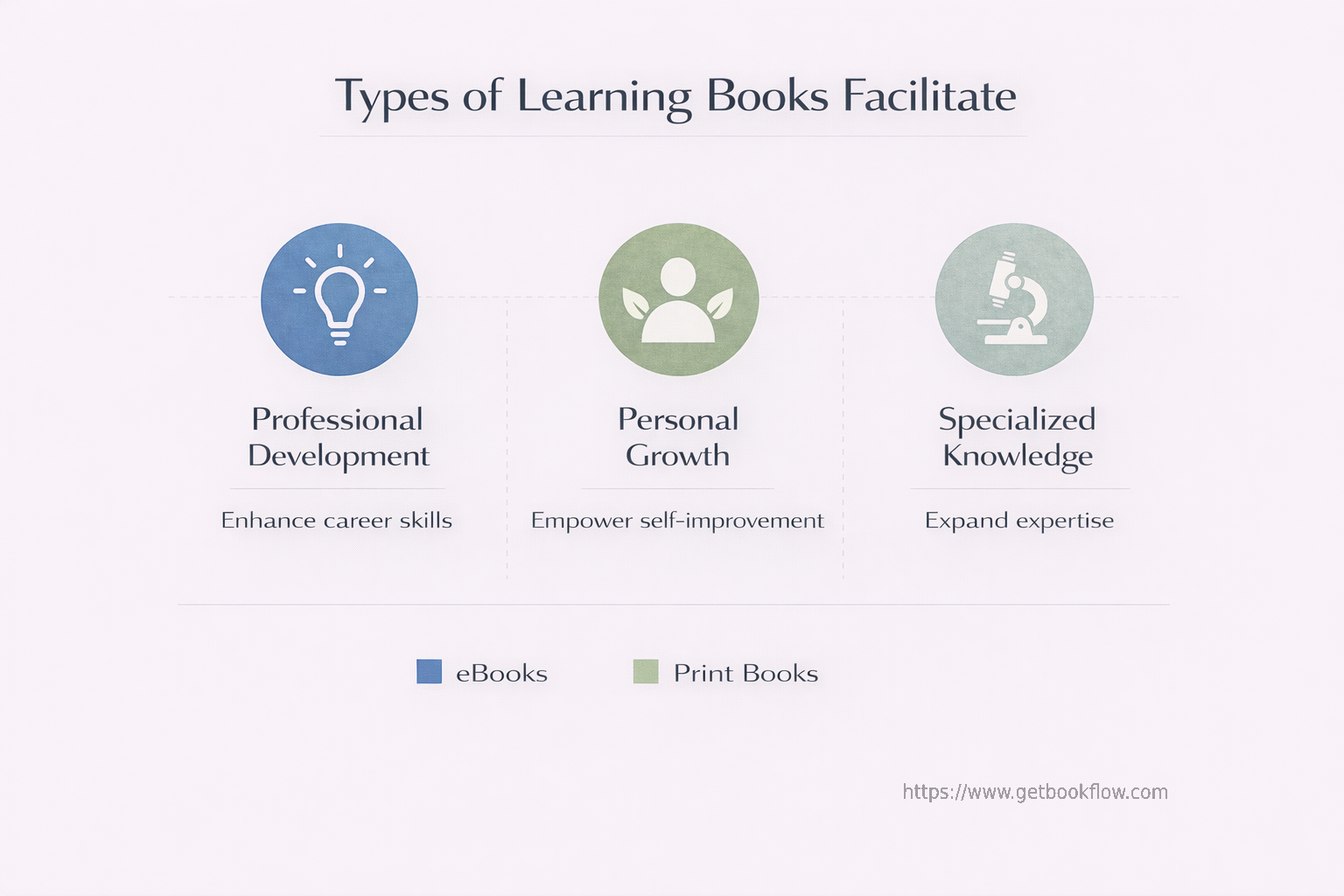
In 2026, as we navigate an ever-evolving landscape, books will remain essential tools for both professional and personal development. They not only enrich our minds but also empower us to live our lives with intention and purpose, reinforcing the idea that a love for learning never truly fades.
The Community and Connection Books Foster
As we explore what books offer in 2026, one of the most beautiful gifts they provide is a sense of community and connection. Book clubs and social reading trends have evolved into vital spaces where people from all walks of life come together to share ideas, experiences, and insights.
Imagine a cozy gathering of friends or even strangers, all eagerly discussing the same novel. In these settings, participants not only delve into the themes and characters of their chosen books but also reveal personal stories that resonate with the material. This dynamic fosters a deeper understanding of differing perspectives, creating bonds that might not have formed otherwise. For instance, a book club member may share how a character’s journey through grief mirrors their own, sparking a heartfelt conversation that strengthens relationships.
Moreover, books play an important role in cultural exchange. In our increasingly global society, stories from diverse authors provide windows into different cultures and experiences. Readers might find themselves transported to new places through the pages of a novel written by someone halfway across the world. According to a recent report, nearly 70% of readers expressed a desire to explore cultures different from their own through literature. This curiosity not only enriches our understanding of the world but also cultivates empathy and appreciation for the richness of human experience.
In 2026, the power of books to connect us, to foster community, and to promote cultural exchange will be more crucial than ever. They remind us of our shared humanity, inviting us to listen, learn, and grow together, one page at a time.
Conclusion
As we look ahead to 2026, it’s clear that the offerings of books are not just evolving, but they are also becoming more vital in our lives. We’ve explored how literature serves as a window into different cultures and experiences, fostering empathy and connection among readers. With nearly 70% of readers expressing a desire to explore diverse narratives, books will continue to be a bridge that unites us, allowing for conversations that might not happen otherwise.
Digital formats, audiobooks, and enhanced print editions will provide us with more ways to consume stories than ever before. Imagine being able to listen to a beloved author narrate their own work, or diving into an interactive e-book that allows you to explore settings and characters in a whole new dimension. These innovations are not merely trends; they are ways to deepen our experience, making literature accessible to everyone, regardless of their reading preferences.
So, I encourage you to embrace reading in all its forms. Whether you find joy in the tactile experience of flipping through pages, or you prefer the convenience of an e-reader during your commute, there’s a world waiting for you. Books in 2026 promise not only to entertain but also to enlighten and enrich our lives. So grab a book, dive into a new story, and let it take you on a journey. After all, the question of what does books offer in 2026 is ultimately a personal one, shaped by your own experiences and discoveries. Happy reading!