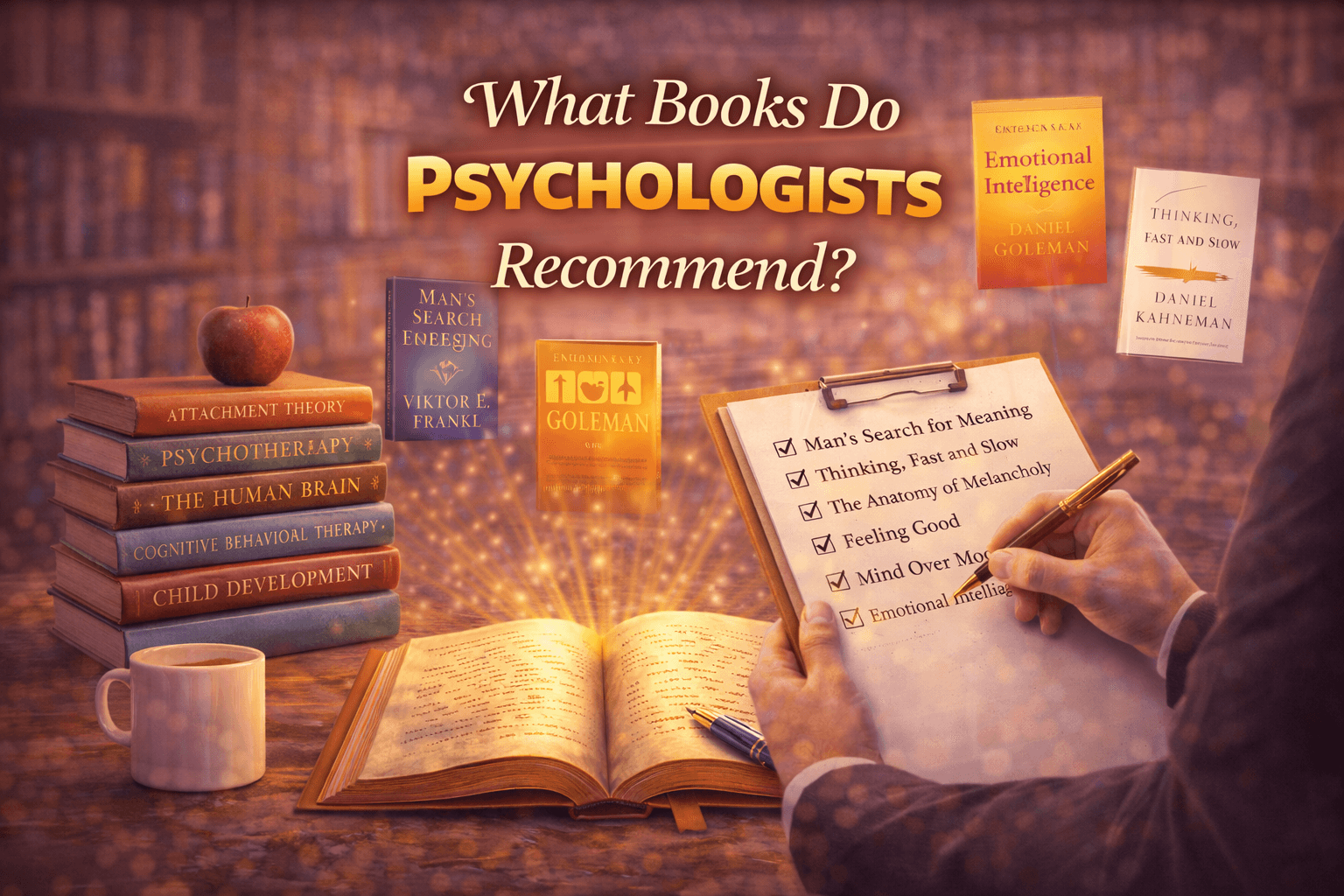
What Books Do Psychologists Recommend? A Curated List for Every Reader
Reading has a remarkable power to transform our minds and enrich our lives. For many, books serve as gateways to understanding ourselves and the world around us. This is particularly true when it comes to mental health and personal development. Psychologists often recommend specific titles that offer insights into human behavior, coping strategies, and emotional resilience. But have you ever wondered what books do psychologists recommend?
The impact of reading on mental well-being is well-documented. Studies show that engaging with literature can reduce stress by up to 68 percent, making it an effective tool for relaxation and reflection. It’s not just about enjoying a good story; it’s about connecting with the wisdom and experiences shared by others. Imagine curling up with a book that a psychologist endorses, only to find that the narrative resonates deeply with your own challenges or aspirations.
These recommended readings often delve into various aspects of psychology, from understanding anxiety to developing effective communication skills. For instance, "The Gifts of Imperfection" by Brené Brown encourages readers to embrace vulnerability, while "Mindset" by Carol S. Dweck explores the power of a growth mindset. Such titles empower individuals to reflect on their experiences and foster personal growth.
In a world that can sometimes feel overwhelming, the right book can provide a sense of clarity and connection. Psychologists recognize this potential and curate lists of impactful reads that can inspire and guide us on our journeys toward better understanding ourselves and our mental health.
Top Recommended Books by Psychologists
When pondering the question, "What books do psychologists recommend," a treasure trove of insights and wisdom awaits you. Here are some top picks that span various genres, each offering valuable perspectives on life, relationships, and personal growth.
"The Gifts of Imperfection" by Brené BrownIn this heartfelt guide, Brené Brown encourages readers to embrace their vulnerabilities and imperfections. Through relatable anecdotes and research-backed insights, she teaches us that authenticity and self-acceptance are keys to living a fulfilling life. This book is particularly resonant for those seeking to cultivate self-compassion and resilience.
"Mindset: The New Psychology of Success" by Carol S. DweckDweck's influential work introduces the concept of a growth mindset versus a fixed mindset. By sharing stories of athletes, business leaders, and students, she illustrates how our beliefs about our abilities can significantly influence our success. It’s an empowering read for anyone looking to shift their perspective on challenges and failures.
"Man’s Search for Meaning" by Viktor E. FranklThis profound memoir combines psychology and philosophy, as Frankl reflects on his experiences in a concentration camp during World War II. He emphasizes the importance of finding meaning in suffering, making it a powerful narrative on resilience and the human spirit. This book often sparks deep conversations about purpose and the choices we make in life.
"Atomic Habits" by James ClearWhile not strictly a psychology book, Clear’s guide on habit formation is steeped in psychological principles. He offers practical strategies for building good habits and breaking bad ones. With relatable examples and actionable advice, it's a fantastic read for those looking to implement lasting change in their daily routines.
Each of these books resonates with readers in unique ways, offering not just knowledge but also the comfort of shared human experience. Whether you're seeking to heal, grow, or simply understand more about yourself, these recommendations from psychologists are sure to enrich your journey.
The Benefits of Reading These Recommended Books
Reading has long been touted for its psychological benefits, and when you dive into the books recommended by psychologists, you might discover even greater advantages. For instance, a study by the University of Sussex found that reading can reduce stress by up to 68%, significantly more than other forms of leisure like listening to music or taking a walk. Imagine curling up with a captivating novel or a thought-provoking self-help book, feeling your worries fade away as you turn each page.
Many readers have shared transformative experiences after engaging with these recommended texts. One high school teacher recounted how reading Brené Brown’s “Dare to Lead” not only helped her in her professional life but also deepened her connections with her students. She noted that understanding the nuances of vulnerability and courage, as explained in the book, made her a more empathetic educator.
Another reader, a busy entrepreneur, found solace in Viktor Frankl’s “Man’s Search for Meaning.” He spoke about how the book's profound insights on finding purpose helped him navigate the often overwhelming pressures of running a business. He shared that after immersing himself in Frankl’s journey, he noticed a significant drop in his anxiety levels, allowing him to approach challenges with a calmer, more focused mindset.
These anecdotal stories highlight not just the emotional comfort that comes from reading but also the increased empathy and understanding we gain when we immerse ourselves in the lives and experiences of others. So, if you’re wondering what books psychologists recommend, consider the rich benefits that await you on the journey of reading.
How to Choose the Right Book for You
Choosing the right book can sometimes feel like a daunting task, especially when you consider the vast array of options available. However, by taking a moment to reflect on your personal needs and interests, you can transform the process into a delightful journey of self-discovery. Here are some tips to guide you.
First, think about what you hope to gain from your reading experience. Are you seeking a deeper understanding of yourself, looking for inspiration, or perhaps hoping to develop new skills? For example, if you are navigating a challenging phase in life, books like “Man’s Search for Meaning” by Viktor Frankl may offer profound insights and comfort. On the other hand, if you're interested in improving your relationships, consider titles that delve into emotional intelligence, such as “Emotional Intelligence” by Daniel Goleman.
Don't shy away from exploring various genres and authors. Psychologists often recommend a diverse reading list, as different perspectives can resonate uniquely with you. Try mixing fiction with non-fiction. You might find that the fictional worlds of authors like Chimamanda Ngozi Adichie provide not only entertainment but also empathy and understanding, which can be invaluable in personal development.
Lastly, trust your instincts. If a book's cover or summary speaks to you, give it a chance. Sometimes the most impactful reads come from the most unexpected places. So, as you navigate the question of what books psychologists recommend, remember that the journey of finding the right book is just as important as the reading itself. Embrace it with an open heart and mind, and you may uncover new layers of yourself along the way.
Conclusion
In conclusion, the realm of literature recommended by psychologists is more than just a collection of titles; it's a gateway to self-discovery and growth. Many studies highlight that reading can enhance emotional intelligence, reduce stress, and even improve empathy. For instance, a 2013 study published in the journal “Science” found that reading literary fiction can increase our ability to understand others' emotions, allowing us to connect deeply with those around us.
As you explore the intriguing question of what books psychologists recommend, I encourage you to dive into these suggested reads with an open heart and mind. Whether it’s the timeless wisdom of Viktor Frankl’s “Man’s Search for Meaning” or the engaging insights in Brené Brown’s “Daring Greatly,” each book offers a unique perspective that can resonate with your journey.
I would love to hear about your experiences as you delve into these books. Did a particular passage strike a chord with you? Did you find a new way to approach a challenge in your life? Your thoughts and reflections not only enrich your own reading experience but can inspire others on their paths as well. So, don’t hesitate to share your insights and let’s create a vibrant conversation around the transformative power of reading. Happy reading!