What Are Themes for Books?
When we dive into the world of literature, one term that often comes up is "theme." So, what are themes for books, exactly? At its core, a theme is the underlying message, idea, or concept that weaves through a narrative, giving it depth and meaning. Themes can range from the exploration of love and friendship to the complexities of power and morality. They are the threads that connect the characters to the readers, making stories resonate on a more personal level.
Think of it this way: when you read a book, you’re not just following the plot; you’re also engaging with its themes. For instance, in Harper Lee's "To Kill a Mockingbird," the theme of racial injustice is central to the story, prompting readers to reflect on their own beliefs and societal structures. Similarly, in George Orwell's "1984," the theme of totalitarianism raises critical questions about freedom and control, inviting readers to consider the implications of such governance in their own lives.
The importance of themes in storytelling cannot be overstated. They serve as a lens through which we can examine the human experience. A well-developed theme can elevate a good story into a powerful one, allowing readers to connect emotionally and intellectually. Readers often leave a book not just with a memory of the plot, but with a deeper understanding of the world and themselves. So the next time you find yourself lost in a story, take a moment to consider the themes at play; they can enrich your reading experience in wonderfully unexpected ways.
Understanding Themes in Literature
When we dive into literature, it’s essential to distinguish between themes and topics. Topics are the broader subjects that a book explores, such as love, war, or friendship. Themes, on the other hand, are the underlying messages or insights about those topics. For example, a book may explore the topic of love, but its theme might delve into the complexities of love, perhaps examining how it can both heal and hurt us.
Themes serve as the backbone of character development and plot progression. They guide characters’ journeys and shape their decisions, often leading to transformative moments. Take Shakespeare’s "Romeo and Juliet," for instance. The theme of love versus fate propels the characters into a whirlwind of choices, ultimately leading to their tragic end. Their love story is not just about romance; it’s a profound commentary on how external forces can shape our destinies.
In another example, consider George Orwell’s "1984." The theme of totalitarianism illustrates the impact of oppressive political systems on individual lives. This theme drives the protagonist, Winston, to question authority and seek truth, leading him through a gripping plot of rebellion and despair.
By understanding what are themes for books, readers gain deeper insights into characters’ motivations and the story’s trajectory. As you reflect on your favorite reads, think about how the themes enriched your understanding and emotional connection to the narrative. They offer a lens through which we can better understand not just the characters but ourselves as well.
Common Themes Found in Books
When exploring what are themes for books, you'll find that certain motifs repeatedly capture the human experience. Let’s delve into some of the most common themes found in literature, along with examples that beautifully illustrate them.
Love is perhaps the most universal theme, transcending cultures and time periods. Whether it's the passionate romance in "Pride and Prejudice" by Jane Austen or the enduring bond in "The Fault in Our Stars" by John Green, love stories resonate deeply with readers. These narratives often explore the complexities of relationships, illustrating both its joys and challenges.
Conflict is another prevalent theme that drives many compelling plots. In "Romeo and Juliet," Shakespeare showcases the fierce battle between familial loyalty and personal desire. Similarly, in "The Hunger Games" by Suzanne Collins, the struggle against an oppressive government showcases not only external conflicts but also internal ones, as characters grapple with their morals and choices.
Identity also plays a crucial role in shaping characters and their journeys. Consider "The Catcher in the Rye" by J.D. Salinger, where Holden Caulfield's quest for identity resonates with many adolescents. Likewise, "Americanah" by Chimamanda Ngozi Adichie explores themes of race, culture, and self-discovery, particularly through the experiences of a Nigerian woman navigating life in America.
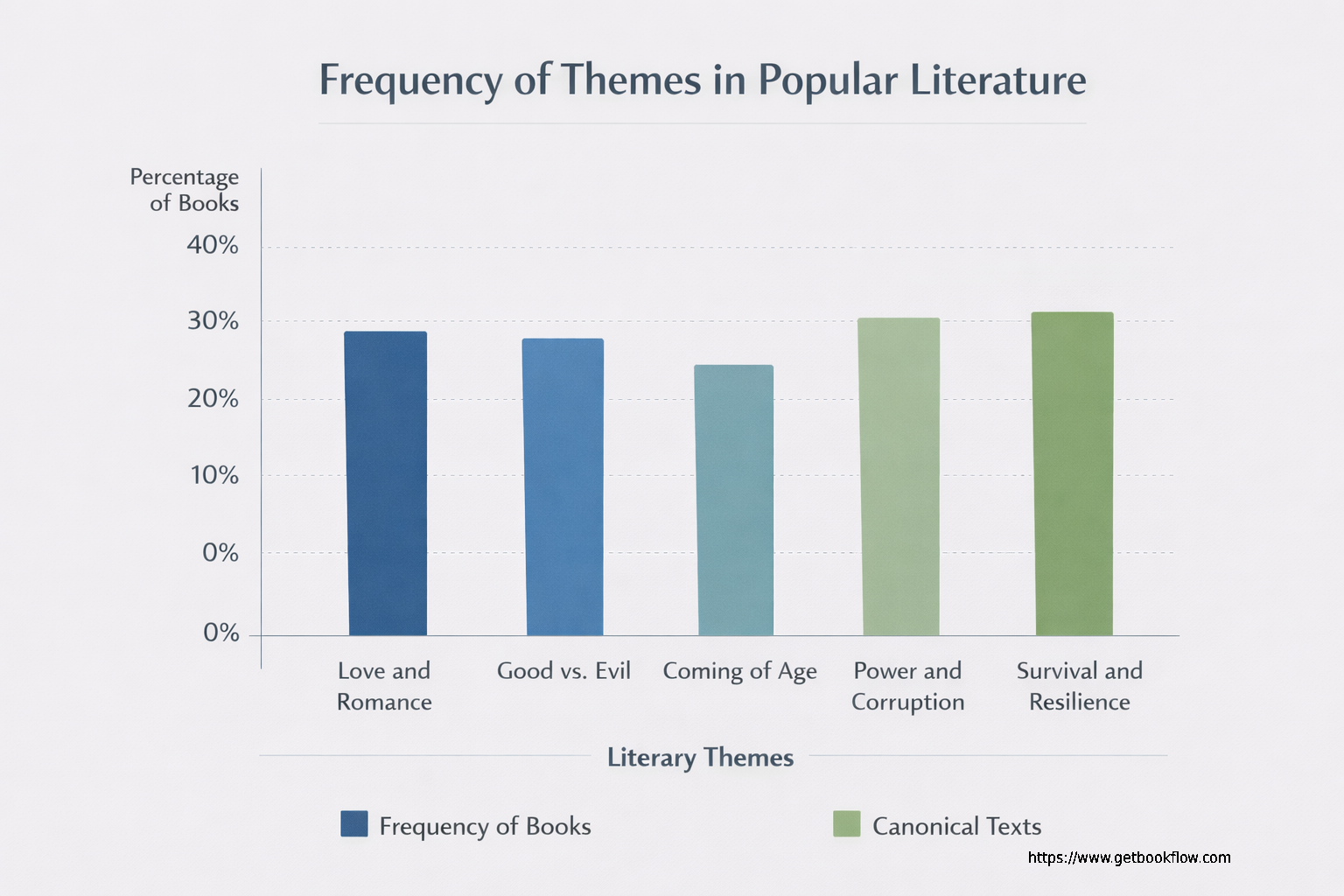
Statistics can offer further insight into these themes. For instance, a recent survey of popular literature revealed that approximately 30% of readers identified love as the dominant theme, followed closely by conflict at 25%, and identity at around 20%. This data illustrates how integral these themes are, not just in individual stories but across the literary landscape.
As we engage with these themes, we not only connect with the characters on the page but also reflect on our own experiences, forging a deeper bond with literature.
How to Identify Themes in a Book
Identifying themes in a book can be a rewarding part of the reading experience, allowing us to connect more deeply with the story. So, how can readers uncover these underlying messages? One effective method is to pay attention to recurring motifs or symbols throughout the narrative. For instance, in Harper Lee’s "To Kill a Mockingbird," the mockingbird itself symbolizes innocence, suggesting a theme of moral growth and empathy. By noticing such symbols, readers can often discern the broader themes at play.
Another approach is to consider the protagonist's journey. What challenges do they face? How do they change by the end of the story? These transformations often reveal the core themes. In J.K. Rowling’s "Harry Potter" series, Harry's evolution from a neglected boy to a courageous leader highlights themes of friendship, sacrifice, and the battle between good and evil.
For writers looking to formulate themes in their own works, clarity is key. Start by identifying the message you want to convey before you even put pen to paper. Think of your favorite books and what themes resonated with you. Consider questions like: What do I want my readers to feel or think about? Setting specific goals can help you weave those themes organically into your narrative.
Additionally, revising drafts with a focus on thematic consistency is essential. Look for opportunities to reinforce your central themes through dialogue, character development, and plot twists. This deliberate approach not only enriches your story but also makes it more relatable, inviting readers to engage with the themes on a personal level.
By reflecting on these methods and tips, both readers and writers can better appreciate and articulate what are themes for books, deepening their connection to literature and the human experience.
The Impact of Themes on Readers
Themes play a crucial role in literature, serving as the threads that weave together the fabric of a story. They resonate deeply with readers' experiences, allowing individuals to find reflections of their own lives within the pages. For instance, a theme of resilience might remind a reader of their own struggles and triumphs, sparking a sense of connection and understanding. This is why a well-crafted theme can evoke powerful emotions.
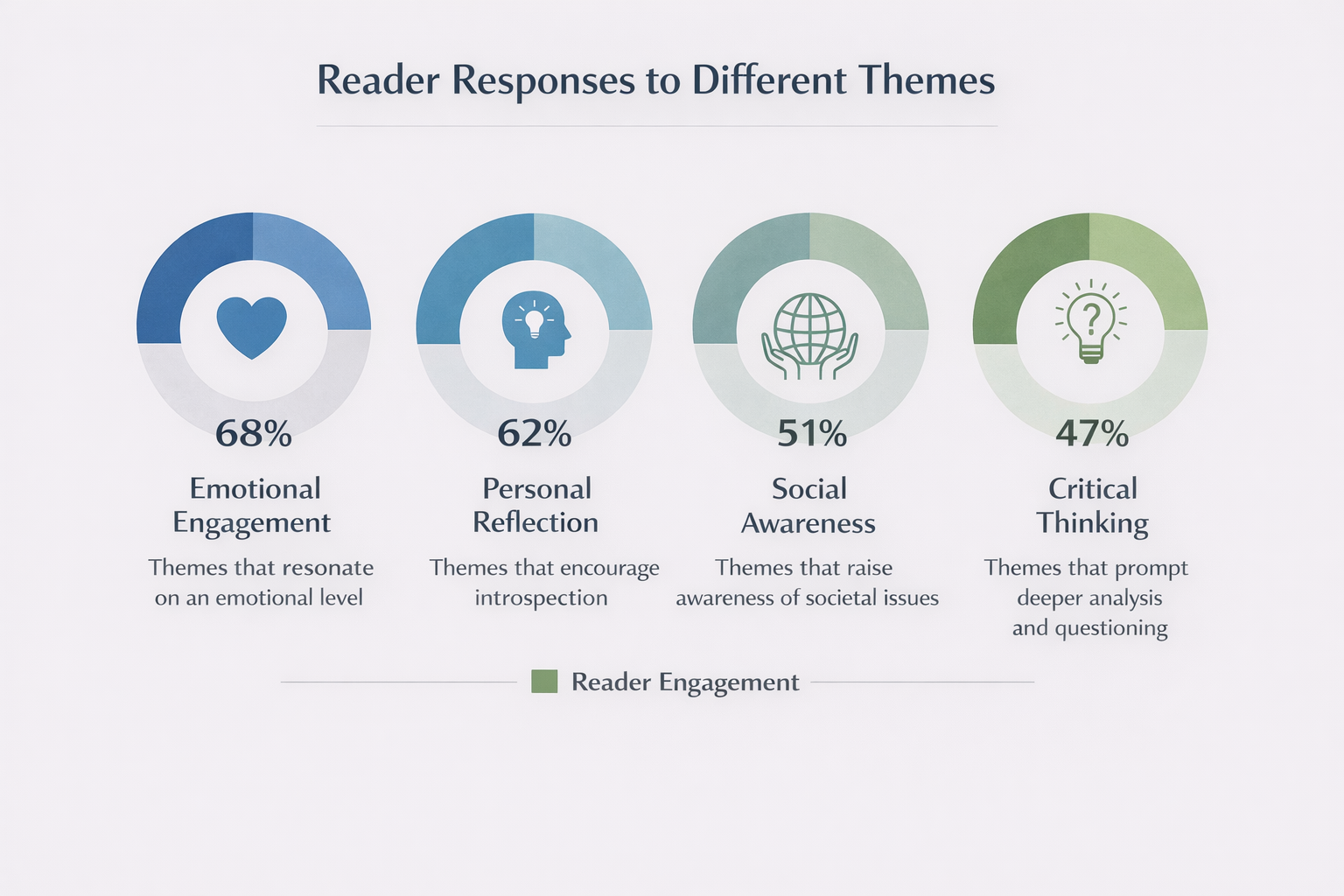
When readers encounter themes that mirror their realities, they become emotionally invested in the narrative. A recent survey revealed that 68% of readers are more likely to connect with a book when the themes relate to their own life experiences. This emotional engagement not only enhances enjoyment but often leads to profound moments of introspection and insight.
Consider a novel that explores the complexities of love and loss. Readers may find themselves reflecting on their own relationships, possibly recalling their personal journeys through heartbreak or joy. Such themes invite readers to engage not just intellectually but also emotionally, leading to discussions that extend beyond the book itself.
Furthermore, themes encourage intellectual engagement, prompting readers to think critically about the underlying messages within a story. For example, a book examining social justice themes can inspire readers to reflect on their own beliefs and challenge societal norms. In this way, themes serve as a bridge between the narrative and the reader's lived experiences, fostering a richer and more meaningful engagement with literature.
Conclusion
In conclusion, understanding what are themes for books is more than just an academic exercise; it’s a gateway to deeper appreciation and connection with the stories we love. Themes are the threads that weave through narratives, offering insights into human nature, society, and the complexities of our emotional landscapes. When we recognize these themes, we can unlock layers of meaning that enhance our reading experience.
Think about a favorite book of yours, perhaps it’s "To Kill a Mockingbird," which delves into themes of moral growth and racial injustice. Reflecting on these themes invites a personal journey, as you consider how they resonate with your own life and beliefs. By engaging with the underlying messages, you may find yourself inspired to act or think differently in the world outside the pages.
As you explore your next read, take a moment to ponder the themes woven into the story. What emotions do they stir within you? How do they relate to your own experiences? This reflective practice not only enriches your understanding but also builds a connection with the author’s intent and the narrative’s impact.
So, the next time you pick up a book, take a breath and ask yourself: what themes are at play here? You might be surprised at the journey that unfolds. Happy reading!