What Are the Apocryphal Books?
Have you ever stumbled upon a book that piqued your curiosity but didn’t quite fit into the traditional canon of scripture? If so, you might be dipping your toes into the fascinating world of apocryphal books. But what exactly are the apocryphal books? Simply put, these are texts that were written around the same time as the canonical scriptures but were ultimately excluded from the official Bible. The reasons for their exclusion vary, ranging from theological disagreements to questions of authorship and authenticity.
Historically, the term "apocryphal" comes from the Greek word meaning "hidden" or "secret." These books, like the Gospel of Thomas or the Book of Enoch, were often cherished by certain communities or groups, reflecting diverse beliefs and practices in early Christianity and Judaism. For example, the Gospel of Thomas offers a collection of sayings attributed to Jesus that diverge from the familiar narratives in the New Testament, presenting a different perspective on his teachings.
It's quite fascinating to consider that these texts were part of the vibrant tapestry of early religious thought. At one point, many were widely read and debated among scholars and theologians. The decision to include or exclude them from the Bible was not merely a clerical task but a significant cultural moment that shaped the faith and practices of millions. By exploring what these apocryphal books contain, we gain not only insights into ancient beliefs but also a deeper understanding of the historical context surrounding them.
The Origins of the Apocryphal Books
The origins of the apocryphal books are rooted in a complex interplay of historical, cultural, and theological factors that have shaped religious traditions over centuries. To appreciate what the apocryphal books are, we first need to journey back to the early centuries of the Common Era when various communities were grappling with their beliefs and the texts that supported them.
Many of these texts, some dating as far back as the second century BCE, were written in a time when early Christians and Jewish believers were still forming their identities. The term "apocryphal," meaning "hidden" or "secret," reflects the contentious nature of these writings. They were often seen as valuable spiritual resources, yet they faced scrutiny regarding their authenticity and doctrinal alignment. For instance, the Gospel of Thomas, a collection of sayings attributed to Jesus, offers a fascinating glimpse into early Christian thought, emphasizing personal spiritual experience over established doctrine.
Different religious traditions have accepted or rejected these texts based on their own theological frameworks. For example, the Catholic Church recognizes several apocryphal books, including Tobit and Judith, as part of the Deuterocanonical scriptures. In contrast, Protestant traditions typically do not include these texts in their canon, viewing them as non-inspired writings. This divergence illustrates how the question of what are the apocryphal books is influenced not just by the texts themselves but by the beliefs of those who study them.
As we reflect on these diverse perspectives, it becomes clear that the apocryphal books are more than mere ancient writings; they are windows into the spiritual struggles and aspirations of people from centuries past, reminding us of the rich tapestry of faith that continues to evolve today.
Types of Apocryphal Books
When exploring what are the apocryphal books, it's helpful to understand that they can be divided into two primary categories: the Old Testament apocrypha and the New Testament apocrypha. Each category holds its own unique significance and history, providing rich insights into the religious and cultural contexts of their times.
Old Testament ApocryphaThe Old Testament apocrypha includes books that were excluded from the Hebrew Bible but are found in some versions of the Christian Old Testament. One of the most notable examples is the Book of Tobit, which tells the story of Tobit and his son Tobias, emphasizing themes of faith and divine providence. Another important work is the Wisdom of Solomon, a poetic text that offers profound reflections on wisdom and righteousness. These writings not only enhance our understanding of ancient Jewish thought but also illustrate how varied interpretations of sacred texts can shape a community's beliefs.
New Testament ApocryphaTurning to the New Testament apocrypha, we encounter a different set of writings that often focus on the life and teachings of Jesus and his disciples. The Gospel of Thomas, for example, is a collection of sayings attributed to Jesus that offers a more mystical interpretation of his teachings. Similarly, the Infancy Gospel of James provides a unique narrative about the early life of Mary and the birth of Jesus, highlighting the importance of Mary in Christian tradition.
These apocryphal works, both from the Old and New Testament, serve as intriguing pieces of the puzzle when answering the question of what are the apocryphal books. They remind us that the landscapes of faith and spirituality are shaped by a multitude of voices and perspectives.
The Role of Apocryphal Books in Religious Studies
The apocryphal books hold a fascinating place in the realm of religious studies, significantly influencing theological discussions and shaping our understanding of canonical texts. These writings, often excluded from the official biblical canon, provide alternative perspectives on familiar stories and doctrines, inviting scholars and laypeople alike to explore the nuances of faith.
For instance, consider the Gospel of Thomas, a collection of sayings attributed to Jesus. It challenges traditional interpretations and encourages readers to seek personal enlightenment, calling into question established doctrines. Such texts not only enrich our understanding of early Christianity but also reveal the diversity of beliefs that coexisted in the ancient world.
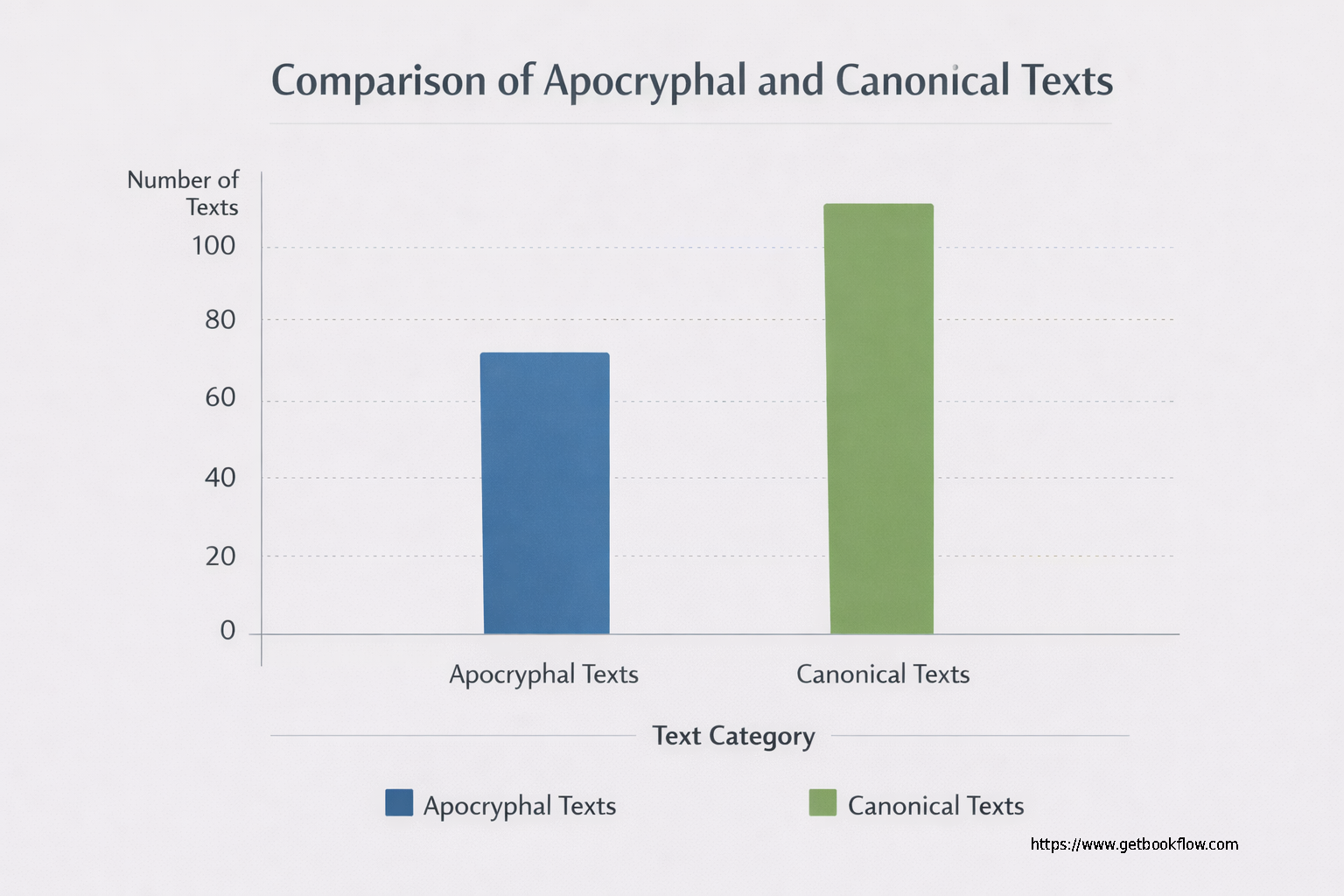
Statistically speaking, there are approximately 15 to 20 well-known apocryphal works per religious tradition, compared to the 66 canonical books in the Protestant Bible. A bar graph illustrating this disparity can vividly demonstrate how much content exists outside the traditional framework. This brings to light the notion that our understanding of sacred texts is shaped by the narratives that were included and those that were excluded.
Engaging with apocryphal literature does not undermine the importance of canonical texts; rather, it complements and enhances them. By examining these alternative writings, we gain a deeper insight into the historical and cultural contexts that influenced their creation. Ultimately, the apocryphal books challenge us to think critically about our faith, reminding us that the quest for spiritual truth is often multifaceted and deeply personal.
Controversies Surrounding the Apocryphal Books
The apocryphal books have long been a source of intrigue, sparking debates that dive deep into questions of authenticity and relevance. For many, these texts represent a rich tapestry of early Christian thought, while others view them with skepticism, questioning their place in theological discussions. One notable point of contention is the belief that these writings provide insights into early biblical interpretation. For instance, the Gospel of Thomas, a collection of sayings attributed to Jesus, challenges traditional narratives and invites readers to explore a more mystical understanding of his teachings.
This ongoing dialogue impacts faith communities in varied ways. Some denominations, like the Catholic Church, embrace certain apocryphal texts, such as the Book of Tobit or the Wisdom of Solomon, recognizing their value in conveying moral and spiritual lessons. In contrast, many Protestant groups reject these writings outright, viewing them as lacking divine inspiration. This divide can lead to heated discussions among congregations, as individuals wrestle with their beliefs and the historical context of their faith.
Moreover, the debates surrounding what are the apocryphal books often encourage believers to reflect on the nature of scripture itself. It forces communities to confront the idea that faith may not be as straightforward as they once thought. The process of exploring these texts can ultimately foster a sense of openness and curiosity, allowing believers to engage with their spiritual journeys in a more nuanced way. As we delve into these discussions, we are reminded that the quest for understanding often leads us to unexpected places, enriching our faith along the way.
Conclusion
As we conclude our exploration of what are the apocryphal books, it's clear that these texts hold a unique significance within the broader context of religious literature. While they may not be included in the canonical scriptures for many traditions, they offer fascinating insights into the beliefs, practices, and historical contexts of the communities that cherished them. For instance, the Gospel of Thomas, with its collection of sayings attributed to Jesus, introduces readers to alternative perspectives on spirituality that can deepen one's understanding of faith.
Engaging with apocryphal books encourages a sense of curiosity and openness. It invites us to reflect on the nature of scripture and the diverse interpretations of the divine. By examining these writings, we recognize that faith is often a journey filled with questions rather than a destination defined by clear answers. This exploration can be quite enriching, prompting individuals to think critically about their beliefs and fostering deeper connections within their faith communities.
I encourage you to delve further into this riveting subject. Whether you’re reading the Book of Enoch, exploring the wisdom of the Shepherd of Hermas, or pondering the questions raised by the Infancy Gospel of Thomas, each text offers a unique window into the past. Your journey through the apocryphal can not only enhance your spiritual understanding but also inspire meaningful conversations with others on a similar quest. So why not pick up a text that intrigues you and let it guide your exploration? You might just find that the journey itself is as valuable as the destination.