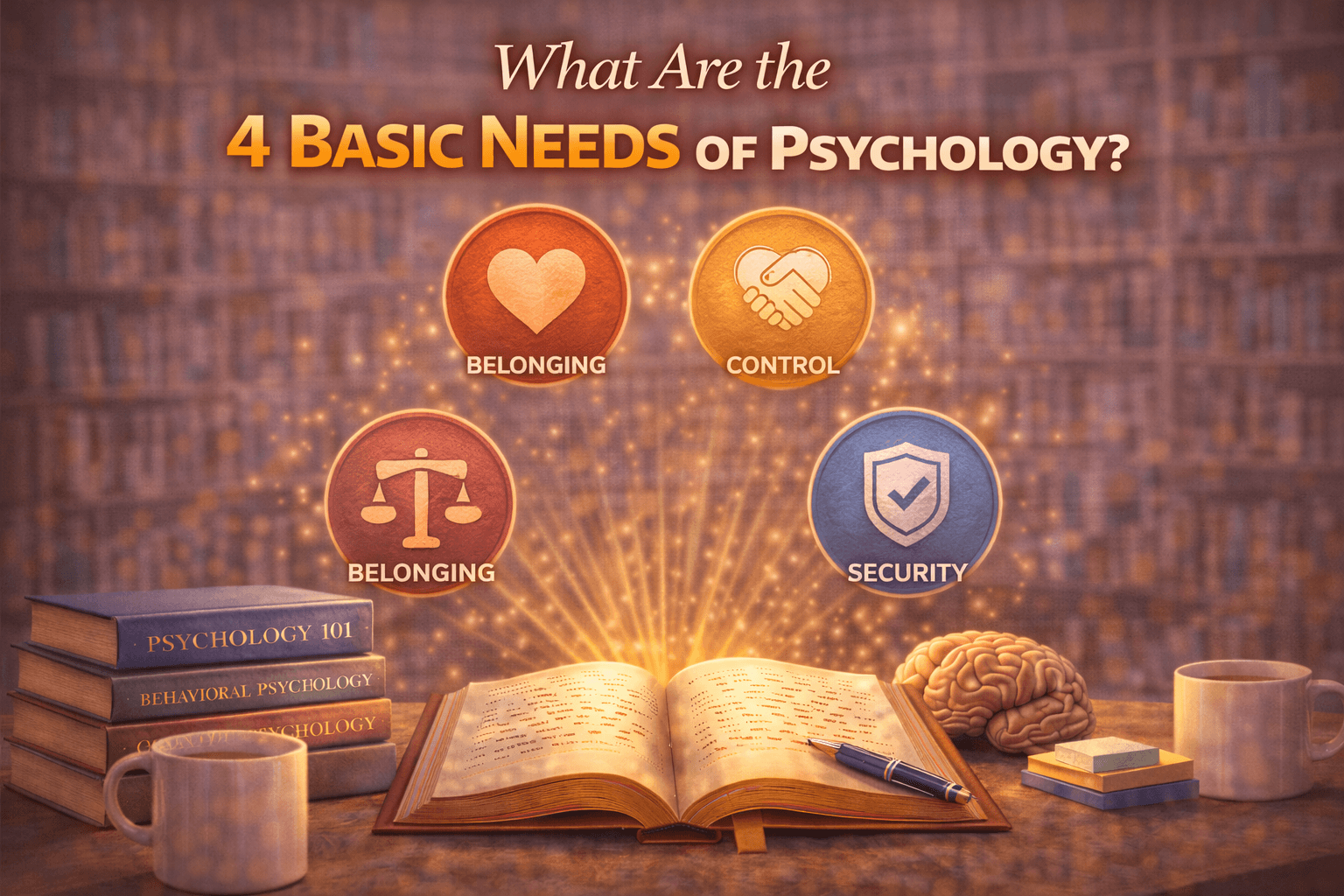
In the fascinating realm of psychology, understanding human behavior often leads us back to one fundamental question: What are the 4 basic needs of psychology? These needs serve as the foundation for our emotional and mental well-being. They help explain why we act the way we do and how we can cultivate healthier relationships with ourselves and others.
Think about a time when you felt particularly stressed or overwhelmed. Perhaps you were juggling work, school, and personal responsibilities, and it all felt like too much. In moments like these, our basic psychological needs may not be getting the attention they deserve. When our needs for safety, love, esteem, and self-actualization are unmet, it can lead to feelings of anxiety, frustration, and even depression.
Understanding these needs isn’t just an academic exercise; it’s a crucial aspect of improving our quality of life. For instance, fulfilling our need for love and belonging can enhance our interpersonal relationships, making us feel more connected and supported. Conversely, neglecting these needs can lead to feelings of isolation and dissatisfaction.
By exploring the four basic needs of psychology, we can gain valuable insights into ourselves and others. This knowledge empowers us to foster healthier environments, whether at home, in the workplace, or within our communities. So, let’s dive deeper into this essential topic and uncover how these needs shape our lives.
The Four Basic Needs of Psychology
At the heart of understanding human behavior lies the exploration of our basic psychological needs. When we consider what are the 4 basic needs of psychology, we find they can be neatly categorized into physiological, safety, love and belonging, and esteem.
The first of these, physiological needs, encompass our most fundamental requirements, such as food, water, and shelter. Imagine a student pulling an all-nighter to meet a deadline. If they neglect their basic needs for sleep and nutrition, it can significantly affect their concentration and overall well-being.
Next comes safety. This need extends beyond physical security to emotional and financial stability. Consider an individual in a stable job versus one in a precarious position. The former can focus on growth and innovation, while the latter may be preoccupied with anxiety, hindering their potential.
Love and belonging is the third need. Humans are inherently social creatures. We thrive on connections with family, friends, and colleagues. A simple anecdote: think of a time when you felt truly supported by your friends during a challenging moment. That sense of belonging can be immensely healing.
Lastly, we have esteem, which consists of both self-esteem and the esteem we receive from others. Achievements at work or being recognized by peers can boost our self-worth. For example, receiving positive feedback on a project can inspire an employee to take on more responsibilities and excel further.
These needs are interconnected. When our physiological and safety needs are met, we are better positioned to nurture our relationships and pursue personal achievements. Conversely, neglecting one can ripple through the others, creating a cycle that affects our mental health. By recognizing and addressing these needs, we can build a more fulfilling and balanced life.
1. Physiological Needs
Physiological needs are the foundation of human motivation, representing the most basic requirements for survival and optimal functioning. According to psychologist Abraham Maslow, these needs include essential elements such as food, water, warmth, and rest. Essentially, they are the building blocks upon which we can build our lives. When these needs are not adequately met, it can lead to a cascade of challenges that affect our overall well-being.
Think about it: when was the last time you had a good night's sleep? Or a balanced meal? Perhaps you remember a time when you were so busy that you skipped breakfast and ended up feeling unfocused and irritable by mid-morning. These scenarios serve as everyday reminders of how crucial it is to address our physiological needs. In fact, studies have shown that even slight dehydration can impair cognitive function, making it challenging to concentrate and perform tasks effectively.
For many, fulfilling these needs might look like preparing a nourishing dinner after a long day at work or ensuring they have a cozy blanket to wrap up in during chilly evenings. These small acts are not merely routine; they are essential to nurturing our physical health and mental clarity. By prioritizing these foundational needs, we create a stable platform that allows us to explore more complex aspects of our lives, such as relationships and personal growth.
As we delve into understanding what are the 4 basic needs of psychology, recognizing the significance of physiological needs is the first step toward achieving a balanced and fulfilling life.
2. Safety Needs
Once our physiological needs are met, we shift our focus to safety needs, which play a crucial role in our overall well-being. Safety needs encompass our desire for stability, protection from harm, and a sense of security in various aspects of our lives, including financial, emotional, and physical safety. Think of safety needs as the sturdy walls surrounding a house, providing a sense of refuge and comfort. When these walls are strong, we can truly relax and explore the world outside.
Unmet safety needs can have profound effects on our mental health. When individuals feel unsafe or insecure, anxiety levels can rise dramatically. For instance, research shows that nearly 70% of individuals who report feelings of chronic anxiety cite safety issues as a significant contributing factor. This statistic underscores how vital it is to foster an environment where safety is prioritized. Imagine a student who worries about their family's financial stability; the constant stress of this uncertainty can lead to overwhelming anxiety, affecting their focus and overall performance.
Creating a safe space, whether at home, work, or in our communities, is essential for nurturing mental health. It allows us to engage fully in life without the burden of fear or doubt. In essence, when we recognize and address safety needs, we pave the way for greater resilience and emotional wellbeing. By understanding what are the 4 basic needs of psychology, we can better appreciate the importance of establishing a solid foundation for ourselves and those around us.
3. Love and Belonging Needs
Love and belonging needs are at the heart of our social experience. These needs remind us that we are not alone in this world. Whether it's the warmth of a friend's laughter or the comfort of family gatherings, these connections enrich our lives in profound ways. In fact, research suggests that people with strong social ties have a 50% greater chance of living longer compared to those who are more isolated. This statistic underscores just how vital our connections with others are for our overall wellbeing.
Think about a time when you felt truly connected to others. Perhaps it was a small get-together with friends that turned into an evening filled with laughter and heartfelt conversations. In those moments, we find ourselves feeling seen, valued, and understood. On the other hand, consider the lonely moments when you might have felt like an outsider, perhaps sitting alone at a café or scrolling through social media, watching others engage while you felt a sense of longing.
A poignant quote by the author Maya Angelou resonates deeply here: “I can be changed by what happens to me. But I refuse to be reduced by it.” This speaks to the importance of surrounding ourselves with supportive relationships that uplift us. When we feel a sense of belonging, we’re more likely to take risks, express ourselves freely, and ultimately thrive.
As we explore what are the 4 basic needs of psychology, it becomes clear that love and belonging aren't just desirable; they are essential for our mental health and emotional growth. So, reach out to someone today, share a moment, and nurture those connections that bring joy and fulfillment to your life.
4. Esteem Needs
Esteem needs play a crucial role in our personal development, acting as the bridge between our basic needs for survival and our pursuit of self-actualization. According to psychologist Abraham Maslow, who introduced the concept of a hierarchy of needs, esteem needs encompass two key components: self-esteem and the esteem we receive from others. Essentially, this means that fostering a positive self-image and gaining respect from those around us are vital for our overall well-being.
Understanding the significance of esteem needs is vital, as they influence our confidence, motivation, and even our relationships. When we feel valued and respected, we're more likely to take on challenges and pursue our goals. Conversely, a lack of self-esteem can lead to feelings of inadequacy, making it difficult to navigate life’s ups and downs.
So, how can we enhance our self-esteem? Here are a few strategies that can make a meaningful difference:
Practice Self-Compassion: Treat yourself with the same kindness you would offer a friend. When you make a mistake, remind yourself that everyone stumbles sometimes.
Set Achievable Goals: Break larger tasks into smaller, manageable steps. Celebrate each accomplishment, no matter how small, as this helps build a sense of achievement.
Surround Yourself with Positivity: Engage with supportive friends and family who uplift you. Research suggests that people with strong social connections report higher levels of self-esteem.
Challenge Negative Thoughts: When self-doubt creeps in, pause and question those thoughts. Are they based on fact? Often, reframing negative narratives can help shift your perspective.
To underscore the importance of self-esteem, a study published in the Journal of Personality and Social Psychology found that individuals with higher self-esteem are more likely to pursue goals and achieve success in various aspects of life, including work and relationships.
As you embark on this journey of enhancing your esteem needs, remember that small, consistent changes can lead to profound transformations. Embrace your worth, and take those steps toward fostering a richer, more fulfilling life.
Conclusion
Understanding the four basic needs of psychology is essential not only for personal growth but also for nurturing our relationships with others. When we grasp what drives our behaviors and emotions, namely, the needs for safety, belonging, self-esteem, and self-actualization, we can navigate life with greater awareness and intention. For instance, when you recognize that your need for belonging is not being met, you might seek out new social connections or foster deeper bonds with existing ones. This clarity can lead to more fulfilling interactions and a stronger sense of community.
Reflecting on your own needs can be a transformative exercise. Consider moments in your life when you felt particularly fulfilled or, conversely, when you experienced discomfort. Were you feeling secure in your environment? Did you feel recognized and appreciated by those around you? Perhaps you were pursuing a passion that truly resonated with who you are. As you ponder these questions, remember that your needs can change over time and with different circumstances.
Taking the time to identify and address your basic psychological needs can have ripple effects throughout your life. It's about building a foundation that supports not just your own well-being but also enriches your connections with others. So, I invite you to explore what these four basic needs mean for you. What are the 4 basic needs of psychology, and how can understanding them lead you to a more harmonious and satisfying life? The journey of self-discovery can be both enlightening and empowering, paving the way for a more authentic you.