What Are Credible Sources for Book Reviews?
In today’s bustling world of literature, choosing the right book can feel overwhelming. With countless titles published every year, how do you know which ones are truly worth your time? This is where credible sources for book reviews come into play. Understanding what are credible sources for book reviews can significantly enhance your reading journey.
Imagine settling down with a cup of tea, excited to dive into a new novel, only to find that it doesn't resonate with you at all. This happens to many readers, often due to relying on less reliable reviews. According to a survey from the Pew Research Center, 81% of readers find that recommendations from friends and family significantly influence their book choices. However, as much as we value personal recommendations, we also need to consider professional reviews and critical perspectives.
When you turn to trusted sources like established literary magazines, reputable book bloggers, or even platforms like Goodreads and LibraryThing, you often get insights that go beyond a simple thumbs up or down. These reviews delve into the themes, writing style, and even the author's background, helping you make informed decisions.
In this post, we will explore various credible sources for book reviews, ensuring your next read is one you can look forward to, rather than one you'll want to put down after a few chapters. After all, every book has the potential to be a window to new worlds, and knowing where to find reliable recommendations can be the key to discovering your next favorite read.
Understanding Credibility in Book Reviews
When it comes to understanding credible sources for book reviews, it’s essential to recognize what truly makes a source trustworthy. At its core, a credible source is one that is knowledgeable, reliable, and has a reputation for providing insightful and honest opinions. This often stems from the expertise of the reviewer, as well as their connection to the literary community.
For instance, consider a review from a well-known literary critic or a reputable publication like The New York Times. These reviewers often have extensive experience in analyzing literature and have built a name for themselves through years of thoughtful critique. Their expertise allows them to delve deeper into aspects like narrative structure, character development, and thematic elements, which can enrich your understanding of a book.
On the other hand, individual bloggers or social media influencers can also be credible, provided they demonstrate a genuine passion for literature and a consistent track record of thoughtful reviews. A good example might be a book blogger who specializes in a particular genre, such as historical fiction or fantasy. If they are known for providing nuanced perspectives, their reviews can be considered credible, even if they are not affiliated with a major publication.
Ultimately, the role of expertise and reputation is crucial. A credible source not only shares their opinions but backs them up with knowledge and insight. As you navigate the question of what are credible sources for book reviews, pay attention to the reviewer’s background and the context in which they share their thoughts. This discernment can lead you to find reviews that resonate with your own reading preferences and help you uncover books that truly speak to you.
Where to Find Credible Book Reviews
When it comes to finding credible book reviews, there are several avenues you can explore. Each source offers unique insights and perspectives, so let’s delve into the options available to you.
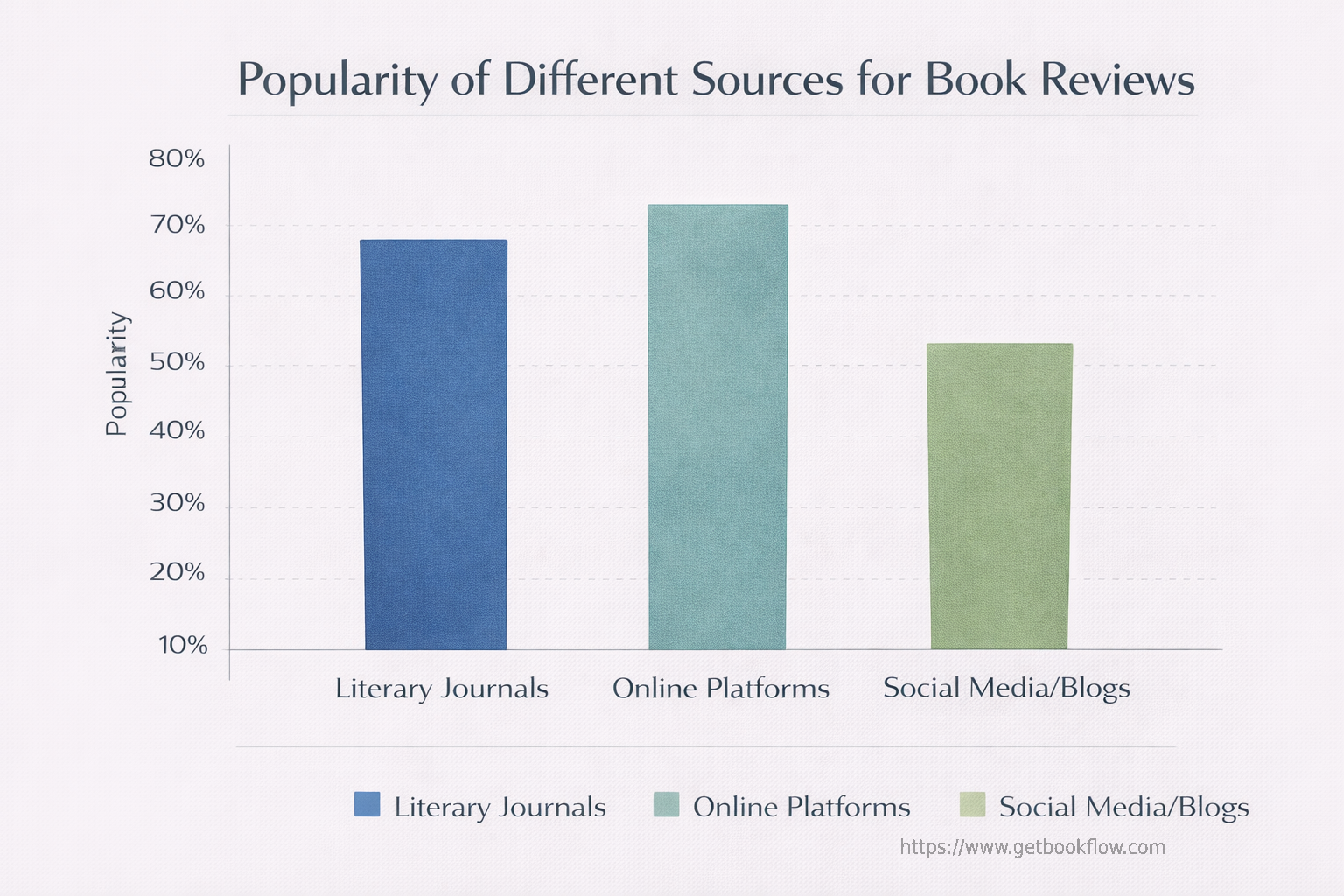
Reputable Literary Journals and MagazinesOne of the most trusted places to find book reviews are reputable literary journals and magazines. Publications like The New York Times Book Review, The Guardian, and Kirkus Reviews have established themselves over the years as reliable sources for discerning readers. They employ professional critics who analyze books with a depth of knowledge and an understanding of literary norms. For example, Kirkus has been a staple in the publishing industry for over 80 years, famous for its blunt and insightful reviews. According to a survey conducted by the American Library Association, 58% of avid readers indicated that they trust reviews from established literary journals more than any other source. This statistic underscores the significance of these publications in guiding readers toward quality literature.
Online Platforms and Community-Driven ReviewsIn today’s digital age, online platforms have become a popular choice for readers seeking credible reviews. Websites like Goodreads and Book Riot allow users to share their thoughts and experiences with various titles. Here, you can find reviews from fellow readers, which can often feel more relatable than formal critiques. Community-driven platforms also allow you to see the average rating of a book based on several reviews, giving you a broader perspective. Interestingly, a recent study indicated that 71% of readers say they are influenced by user reviews on platforms like Goodreads when selecting their next read. This shows that peer perspectives can carry significant weight in our choices.
Social Media and Blogs by Trusted ReviewersDon't overlook social media and blogs, either. Many book lovers have taken to platforms like Instagram, YouTube, and TikTok to share their thoughts on recent reads. Known as Bookstagram or BookTok, these communities often feature influential reviewers who can sway opinions and drive trends. For example, if a popular BookTuber shares a compelling review of a new fantasy novel, it’s likely to spark interest among thousands of followers. In fact, a recent report found that 45% of Millennial and Gen Z readers turn to social media for book recommendations, highlighting the growing impact of these platforms.
Finding credible sources for book reviews doesn’t have to be a daunting task. By exploring reputable literary journals, community-driven platforms, and trusted social media voices, you can discover reviews that resonate with your unique tastes and preferences. Each source offers a different lens through which to view the literary world, so take the time to explore and enjoy the journey.
Evaluating the Quality of Book Reviews
When it comes to evaluating the quality of book reviews, there are a few key aspects to consider that can help you discern valuable insights from mere opinions. First, look for an analysis that goes beyond the surface. A quality review typically discusses the book’s themes, character development, and writing style, rather than simply stating whether the reviewer liked it or not. For example, a thoughtful review might explore how a novel’s setting shapes its characters, providing a deeper understanding of the author's intentions.
Next, consider the presence of bias. While every reviewer has their own perspective, it’s crucial to assess how that perspective influences their critique. Ask yourself whether the reviewer has a history of praising certain genres or authors, which could color their judgment. A review that acknowledges its biases, perhaps by mentioning the reviewer’s personal tastes or past experiences with similar books, often feels more trustworthy. For instance, if a reviewer admits to favoring fantasy novels yet provides a balanced critique of a contemporary romance, their honesty adds credibility.
Finally, pay attention to the reviewer’s expertise. Are they a published author, a literature professor, or simply an avid reader? Credentials can lend weight to their opinions, but remember that passionate readers can offer profound insights as well. Ultimately, a combination of depth, objectivity, and expertise can guide you in determining what are credible sources for book reviews. By taking these elements into account, you'll be well-equipped to discover reviews that resonate with you and enrich your reading experience.
Common Pitfalls to Avoid
When navigating the vast sea of book reviews, it’s crucial to avoid common pitfalls that can lead you astray. One of the first signs of an unreliable source is the lack of transparency. If a reviewer doesn’t disclose their affiliations, biases, or if they are being compensated for their opinions, it’s a red flag. For instance, a glowing review on a blog that fails to mention the reviewer received the book for free or was paid to promote it should be approached with caution.
Another area to be wary of is the presence of fake reviews. Research from a leading consumer advocacy group shows that nearly 30% of online reviews can be suspicious. These often include overly simplistic praise, generic language, or an unusual influx of reviews for a newly released book. A good example is when a book suddenly garners dozens of five-star ratings within a short period. Such patterns can indicate that the reviews are not coming from genuine readers but rather from accounts that may not even exist.
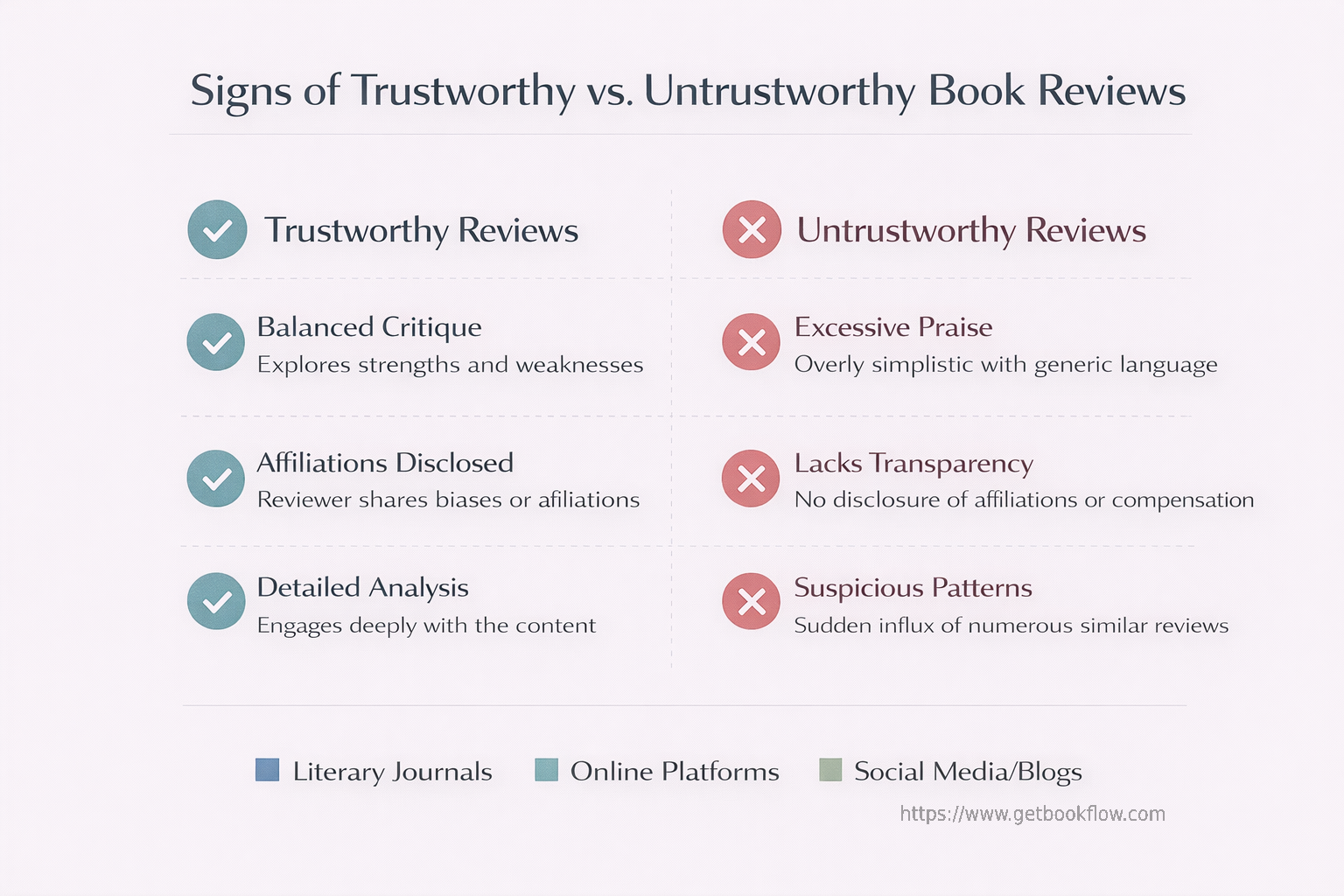
When considering what are credible sources for book reviews, look for those that encourage thoughtful discussion and provide balanced viewpoints. Reviews that engage with the text on a deeper level, rather than just calling it “amazing” or “terrible,” often indicate a more trustworthy perspective. Remember, the goal is to connect with voices that enhance your reading journey, not detract from it. Being mindful of these pitfalls can significantly enrich your experience and help you find the gems amidst the noise.
Conclusion
In conclusion, understanding what are credible sources for book reviews is essential for any avid reader looking to enhance their literary journey. By choosing reviews that delve deeper into the themes, characters, and writing style, you are setting yourself up for a more enriching reading experience. Think about it: when you invest time in a book, you want the opinions surrounding it to be as thoughtful as the words within its pages.
Imagine discovering a new favorite novel because a seasoned book critic thoughtfully highlighted its nuanced portrayal of relationships or the unique narrative structure that sets it apart. Conversely, relying on superficial reviews can lead to missed opportunities and perhaps even disappointment. Just like a carefully curated playlist can open up new musical worlds, quality book reviews can guide you toward incredible stories you may not have otherwise considered.
So, I encourage you to explore various sources for book reviews, whether they are well-respected literary magazines, trusted blogs, or even book clubs where discussions happen face-to-face. These platforms often offer a range of perspectives that can broaden your understanding and appreciation of literature. As you seek out these quality reviews, remember that your reading experience is unique to you. Embrace the voices that resonate with your tastes and allow them to guide your literary exploration. Happy reading!