Top Mystery Authors of All Time: The 15 Detectives’ Creators Who Trained Your Brain to Suspect Everyone (Including Yourself)
You know that delicious moment when a book makes you gasp out loud on public transport? When the quiet character you trusted turns out to be the monster? Or when the detective reveals a clue hidden on page 23 and you want to throw the book across the room in admiration?
That feeling has a bloodline.
Fifteen writers (some dead for centuries, some still killing off characters as we speak) invented it, perfected it, and passed it down like a cursed heirloom.
Here is the ultimate, fiercely personal, and hotly debatable list of the greatest mystery authors who ever lived. Ranked not by sales alone, but by how cleverly they hijacked your sense of reality.
Buckle up. Trust no one. Especially me.
1. Agatha Christie (1890–1976) – The Queen Who Murdered Politeness
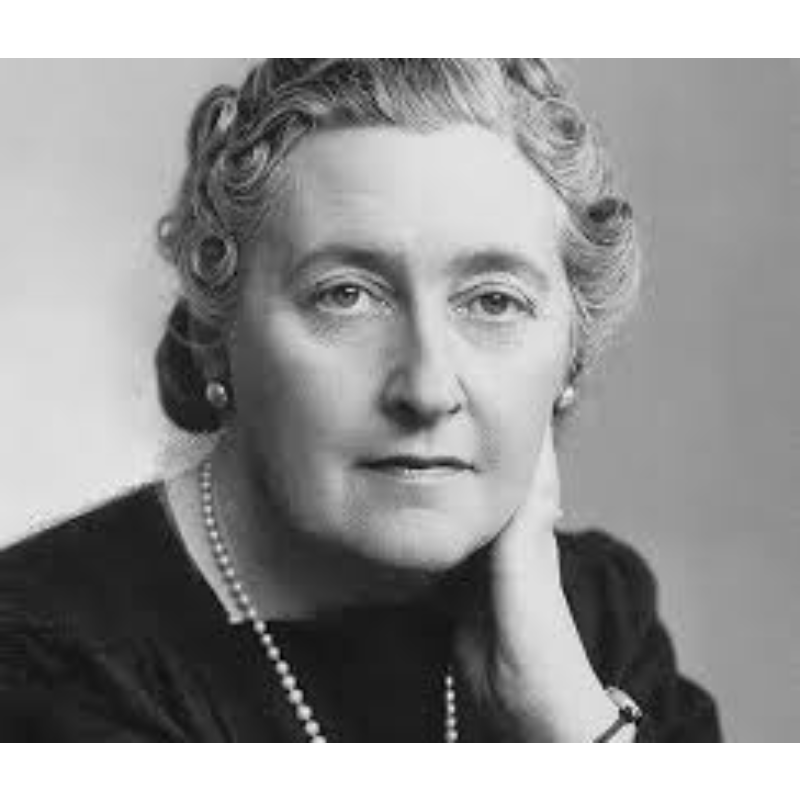
Over 2 billion books sold. More than Shakespeare. Let that sink in.
And Then There Were None is the best-selling mystery novel ever (100 million+ copies) and still the most diabolical locked-room puzzle in existence. Murder on the Orient Express, The Murder of Roger Ackroyd (that twist still causes book club fights in 2025), Death on the Nile — Christie didn’t just write whodunits; she weaponised cosy English villages and made tea feel suspicious.
She created Hercule Poirot and Miss Marple, then killed Poirot off in real newspapers to avoid writing him anymore. Legend behaviour.
2. Arthur Conan Doyle (1859–1930) – The Man Who Made Logic Sexy
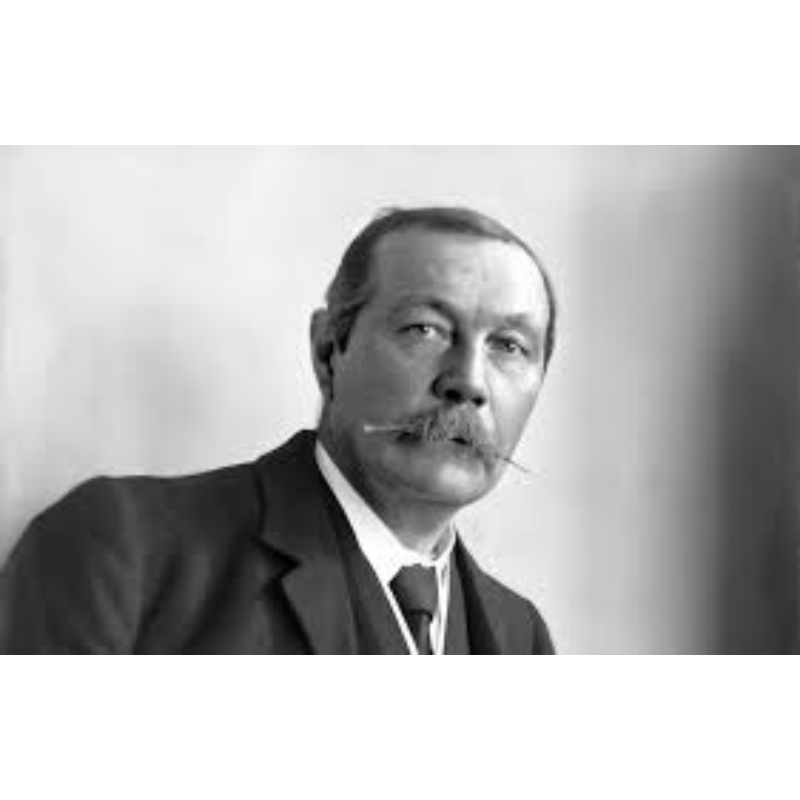
Sherlock Holmes is the most portrayed literary character in history (over 25,000 screen adaptations and counting). A Study in Scarlet (1887) introduced deductive reasoning as a superpower. “The Hound of the Baskervilles” gave us gothic terror wrapped in logic. Doyle tried to kill Holmes off at Reichenbach Falls; the public rioted until he brought him back.
Fun fact: Doyle believed in fairies and spiritualism, yet wrote the most ruthlessly rational detective ever. The irony is delicious.
3. Raymond Chandler (1888–1959) – The Poet of Mean Streets
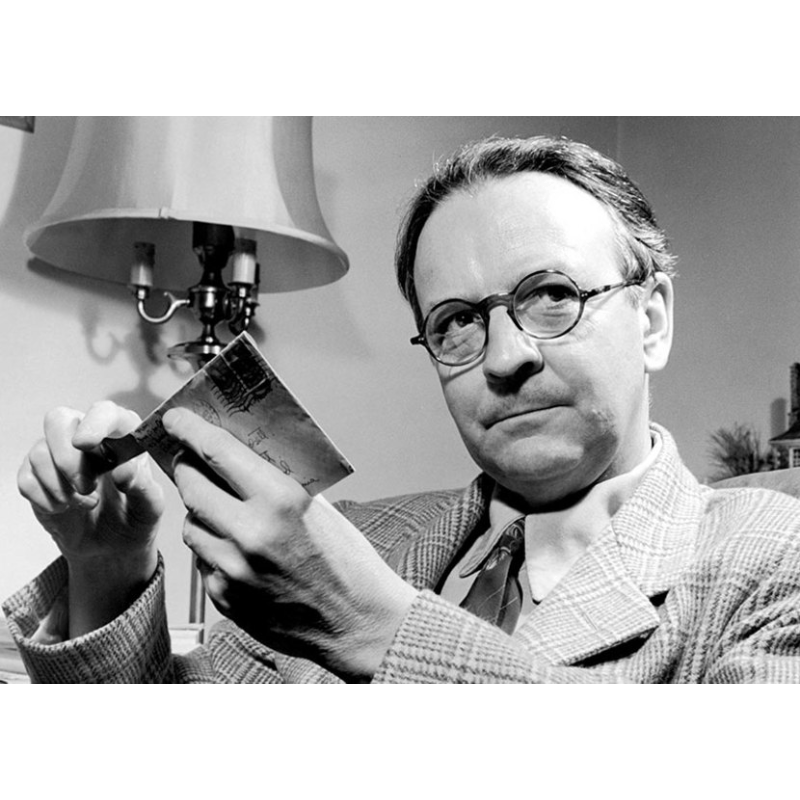
Philip Marlowe isn’t just a detective; he’s a knight in a dirty trench coat. The Big Sleep, Farewell, My Lovely, The Long Goodbye — Chandler turned Los Angeles into a neon noir myth and invented hard-boiled dialogue that still snaps:
“She gave me a smile I could feel in my hip pocket.”
He wrote drunk, edited sober, and made cynicism feel noble.
4. Dashiell Hammett (1894–1961) – The Ex-Pinkerton Who Made Crime Real
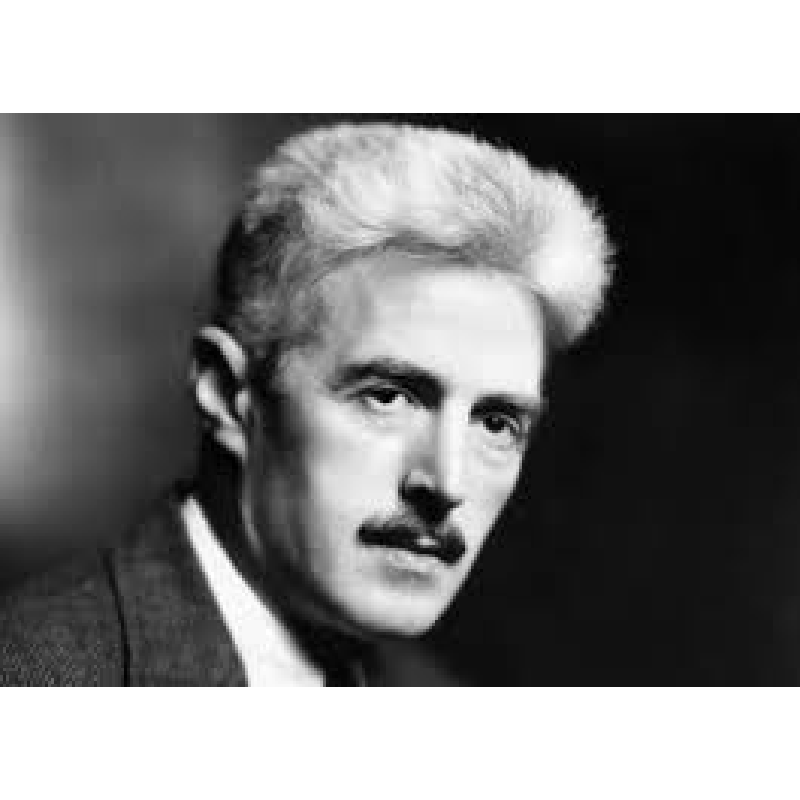
The Maltese Falcon introduced Sam Spade — tough, morally grey, and allergic to sentiment. The Thin Man gave us Nick and Nora Charles (the couple we all want to be when we grow up and get rich).
Hammett actually worked as a private detective for the Pinkerton Agency, busted strikes, and once hunted a stolen Ferris wheel. His prose is ice-cold and perfect. Hemingway wished he wrote this clean.
5. Gillian Flynn (1971– ) – The Woman Who Made You Fear Your Wife
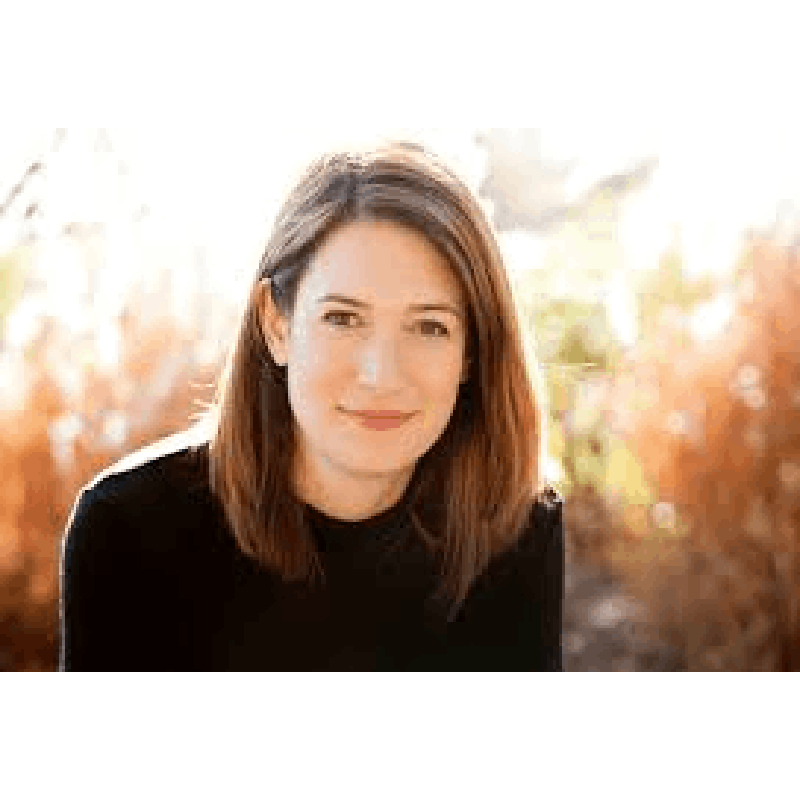
Gone Girl (2012) didn’t just become a bestseller; it rewrote the rules. Unreliable narrators? Old trick. Flynn made both narrators unreliable and weaponised marriage itself.
Sharp Objects and Dark Places proved it wasn’t a fluke. She drags suburban darkness into the daylight and makes you root for terrible people. Modern psychological suspense starts here.
6. Tana French (1973– ) – The Irish Queen of Literary Suspense
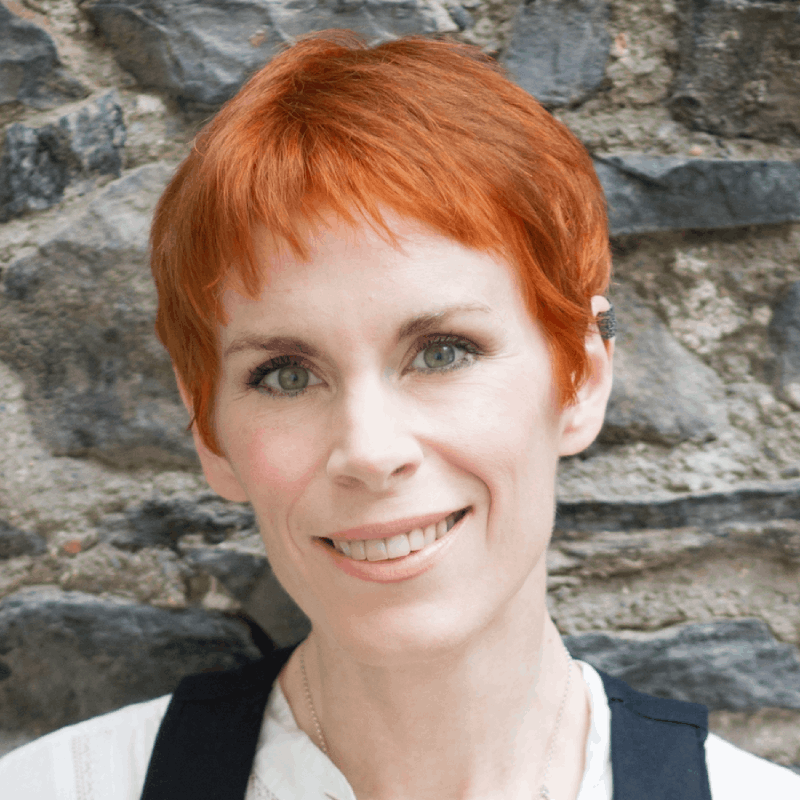
The Dublin Murder Squad series (In the Woods, The Likeness, Broken Harbour…) does something almost unfair: every book is from a different detective’s point of view, and every single one feels like the best in the series.
French writes grief, guilt, and Irish rain so vividly you’ll need therapy and a towel. If you like your mysteries slow-burn, beautiful, and soul-crushing, welcome home.
7. Ruth Rendell / Barbara Vine (1930–2015) – The Psychologist in Disguise
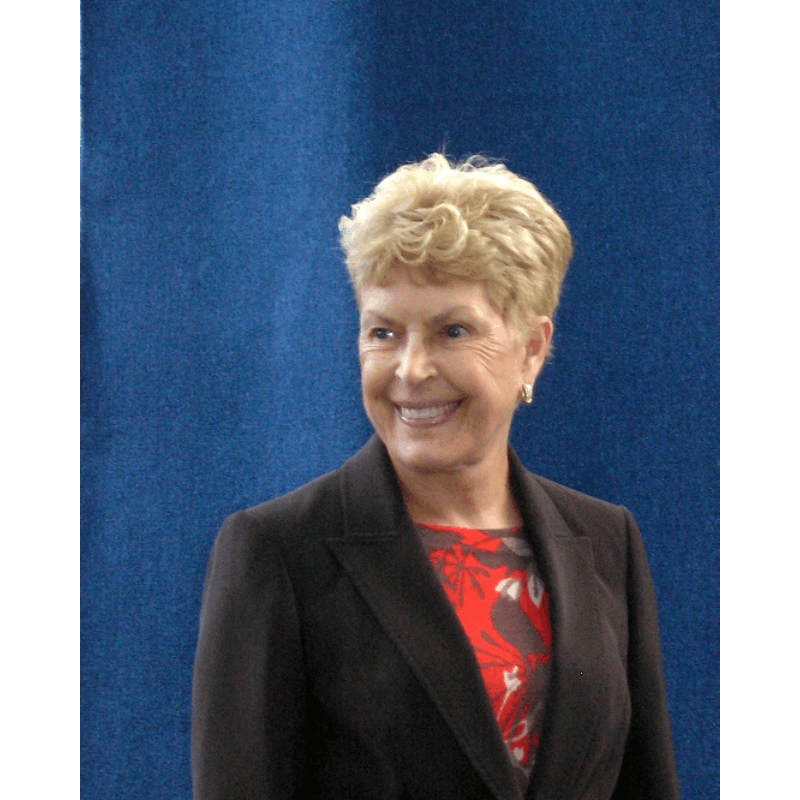
As Ruth Rendell she wrote Inspector Wexford procedurals. As Barbara Vine she wrote twisted psychological stand-alones like A Dark-Adapted Eye and The Chimney Sweeper’s Boy.
She understood obsession, class resentment, and identity theft long before social media made them trendy. Her villains are often the people society pities most.
8. P.D. James (1920–2014) – The Poet Laureate of Corpses
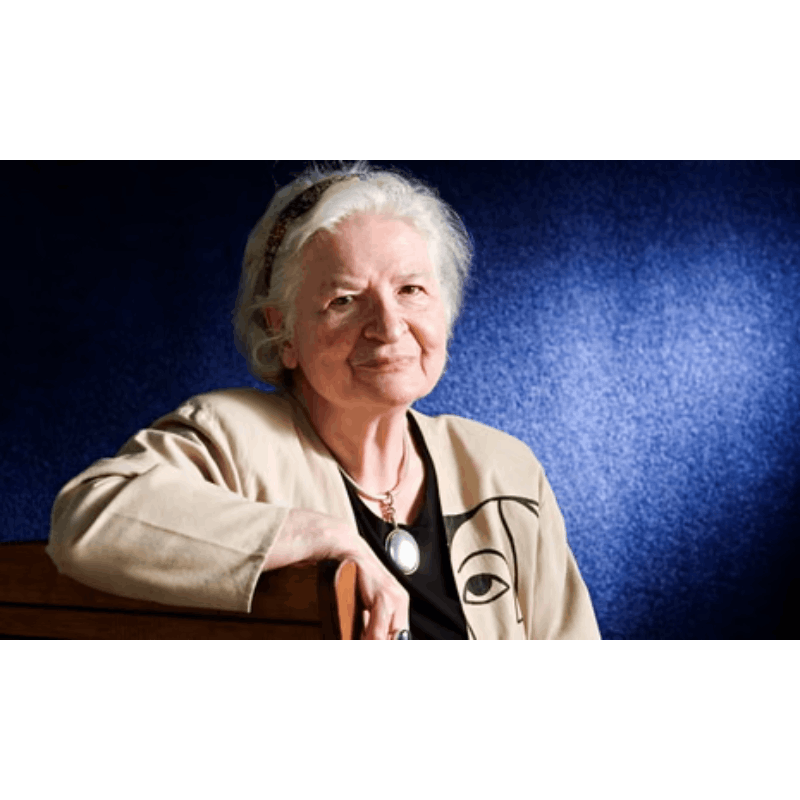
Adam Dalgliesh is a published poet who solves murders. Of course he is.
Books like Devices and Desires, The Murder Room, and Death Comes to Pemberley (yes, she wrote Pride and Prejudice fan-murder) combine exquisite prose with airtight plots. She was made a Baroness for services to literature. As she should have been.
9. Henning Mankell (1948–2015) – The Father of Nordic Noir
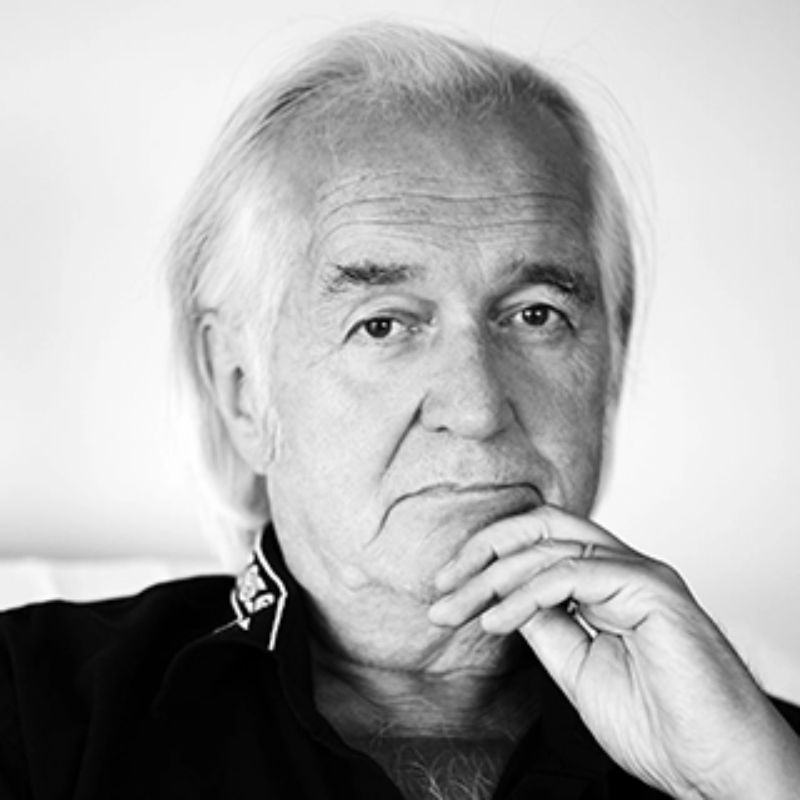
Before Jo Nesbø, Stieg Larsson, or Girl with the Dragon Tattoo, there was Kurt Wallander — depressed, diabetic, classical-music-loving Swedish detective stumbling through bleak snow and bleak human nature.
Faceless Killers, The Dogs of Riga, The White Lioness — Mankell turned Scandinavia into the world capital of melancholy murder.
10. Louise Penny (1958– ) – The Cozy That Will Still Break You

Three Pines, Quebec doesn’t exist, but millions wish it did. Chief Inspector Armand Gamache is the kindest detective in fiction, solving murders in a village where everyone bakes sourdough and quotes poetry.
Then someone gets poisoned in the bistro.
Still Life, A Fatal Grace, The Brutal Telling — Penny writes cosy mysteries that sneak up and emotionally waterboard you. Bring tissues.
11. Dorothy L. Sayers (1893–1957) – The Theologian Who Invented the Gentleman Sleuth
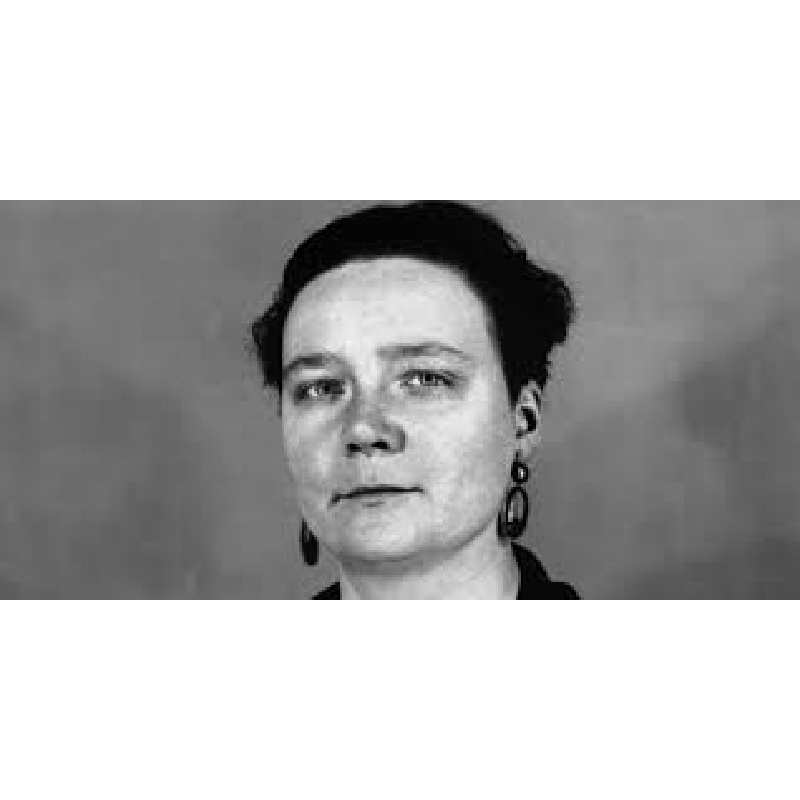
Lord Peter Wimsey is rich, traumatised by WWI, quotes Donne, and plays Bach on the piano between corpses.
Whose Body?, Gaudy Night, The Nine Tailors — Sayers brought intellectual depth and romance to the Golden Age. Gaudy Night is still the best novel ever written about women’s education and integrity.
12. Stieg Larsson (1954–2004) – The Punk Journalist Who Changed Everything
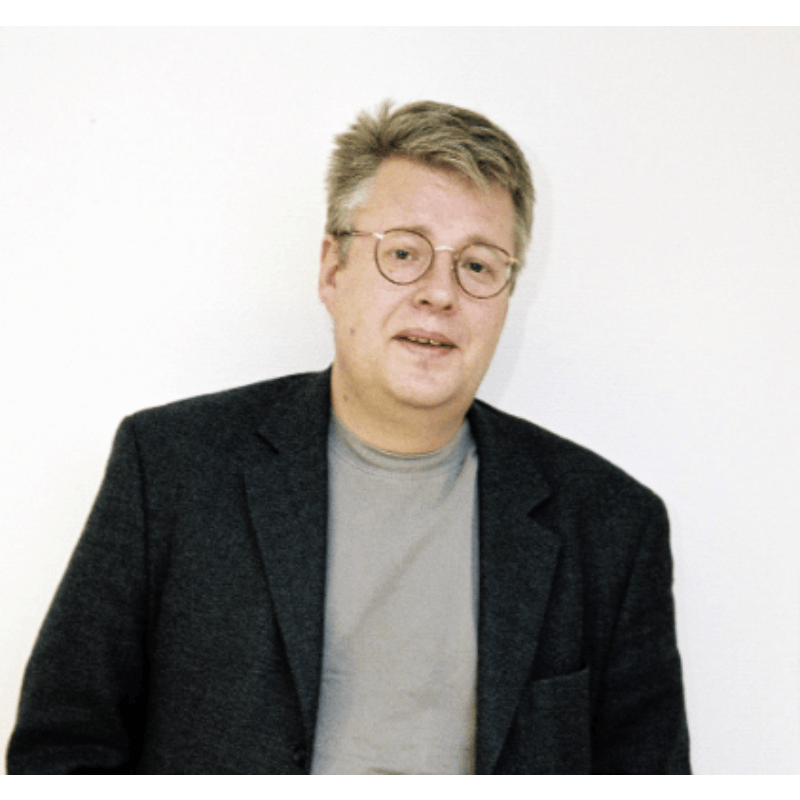
The Girl with the Dragon Tattoo trilogy sold 100 million copies after Larsson died of a heart attack at 50 (never knowing his success).
Lisbeth Salander — bisexual, autistic-coded, genius hacker in combat boots — became the ultimate avenger for abused women everywhere. Messy, violent, addictive.
13. Anthony Horowitz (1955– ) – The Modern Master Who Plays Fair

Magpie Murders, Moonflower Murders, the Alex Rider series, new Sherlock Holmes novels approved by the Conan Doyle estate, even Foyle’s War on TV.
Horowitz writes meta mysteries inside mysteries inside mysteries and somehow never cheats. Currently the only author alive who can make you yell “HOW DID HE DO THAT?” on the subway.
14. Kate Morton (1976– ) – The Queen of Dual-Timeline Gothic Secrets
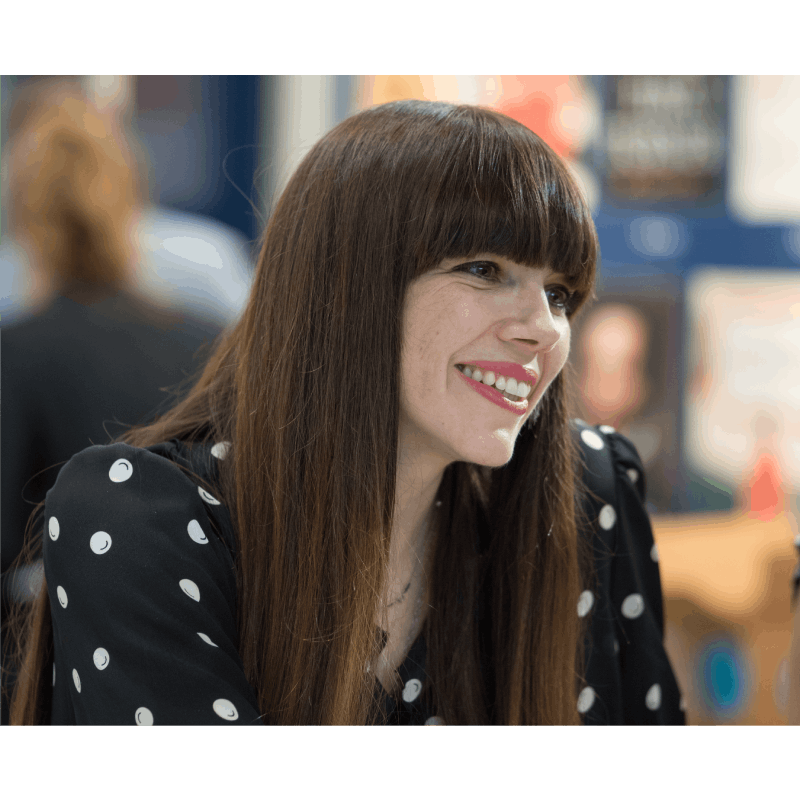
The House at Riverton, The Forgotten Garden, The Clockmaker’s Daughter — Morton writes sprawling, atmospheric mysteries where a crime in 1924 explains why someone is sad in 2015.
If you love old houses hiding bodies in the wallpaper, she’s your drug.
15. Richard Osman (1970– ) – The Thursday Murder Club Comedian Who Outsold Everyone
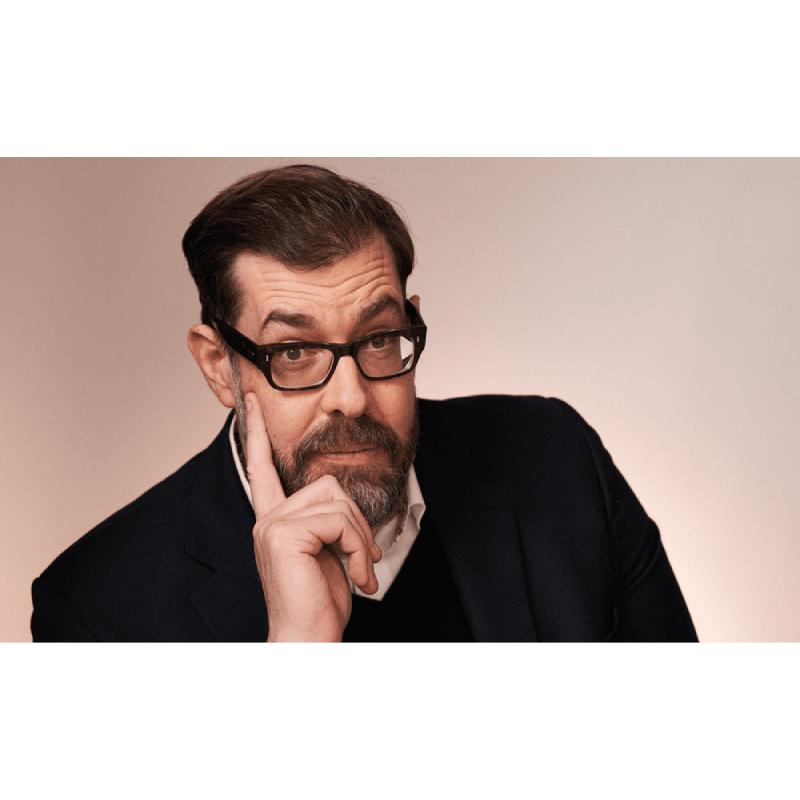
Four seventy-something retirement-village residents solve cold cases between biscuits and vodka. The Thursday Murder Club series has sold 10 million+ copies and counting.
Osman proved cosy crime can be hilarious, heartfelt, and still shock you with a twist on the last page. Never underestimate a British comedian with a spreadsheet.
Honourable Mentions (Because the Genre Is Too Rich)
Wilkie Collins – The Moonstone (first detective novel in English)
Patricia Highsmith – Tom Ripley is the sociopath we all love
Donna Tartt – The Secret History (murder among classics students)
Val McDermid – the godmother of British tartan noir
Michael Connelly – made Harry Bosch an icon
Attica Locke – Black American crime with moral weight
Oyinkan Braithwaite – My Sister, the Serial Killer (hilarious and terrifying)
Keigo Higashino – Japanese puzzles that break your brain
The Real Secret All These Authors Share
The greatest mystery writers don’t just hide the killer.
They hide pieces of you.
They make you realise you’re capable of rage, jealousy, secrets, and forgiveness you didn’t know you had. They train your brain to question everything — motives, alibis, even your own memories.
That’s why we keep coming back. We don’t just want to know whodunit.
We want to know who we are when no one’s watching.