Top Authors of All Time: The 15 Writers Who Secretly Shaped Your Mind (Even If You’ve Never Read Them)
We all have that one book that wrecked us in the best way. The one we finished at 3 a.m. with tears on the pillow or a sudden urge to call an old friend. Behind every life-changing read is an author who somehow reached across decades—or centuries—and grabbed your soul.
But who are the true giants? Not just the bestselling, not just the trendy, but the ones whose wordsmiths, philosophers, and even neuroscientists still point to when asked, “Who changed everything?”
After years of reading, teaching literature, and arguing in book clubs at 1 a.m., here’s my deeply personal (yet fiercely defended) list of the top 15 authors of all time. These aren’t ranked by sales or Nobel Prizes alone. They’re ranked by how profoundly they rewired the human conversation—and how often they still sneak into your thoughts when you least expect it.
Let’s dive in.
1. William Shakespeare (1564–1616) – The Man Who Invented Us
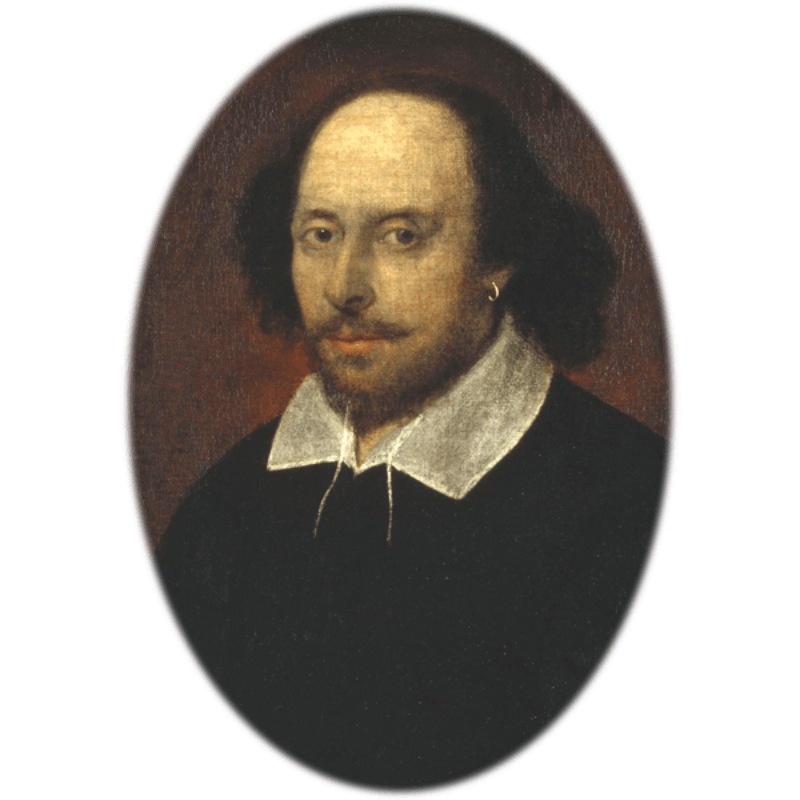
No list dares to skip him, and for good reason. Shakespeare didn’t just write plays; he invented modern psychology. Before him, characters were flat symbols of good or evil. After him, we got Hamlet doubting his own thoughts, Lady Macbeth sleepwalking with guilt, and Othello drowning in jealousy so real it hurts to watch.
He coined over 1,700 words we still use (lonely, swagger, eyeball, gossip…) and gave us phrases like “all that glitters is not gold,” “wild goose chase,” and “break the ice.” More importantly, he showed that humans are walking contradictions—capable of love and monstrous, hilarious and heartbreaking in the same breath. Every novel you love owes him rent.
2. Homer (c. 8th century BC) – The First Storyteller
The Iliad and The Odyssey aren’t just “old books.” They’re the original blueprints for every hero’s journey ever written—Star Wars, Harry Potter, The Lion King—all trace back to Odysseus’s 10-year struggle to get home. Homer gave us rage, honor, cunning, loyalty, and the idea that even gods can be petty. Two thousand eight hundred years later, we’re still quoting “Sing, goddess, of the wrath…”
3. Dante Alighieri (1265–1321) – The Tour Guide of the Human Soul
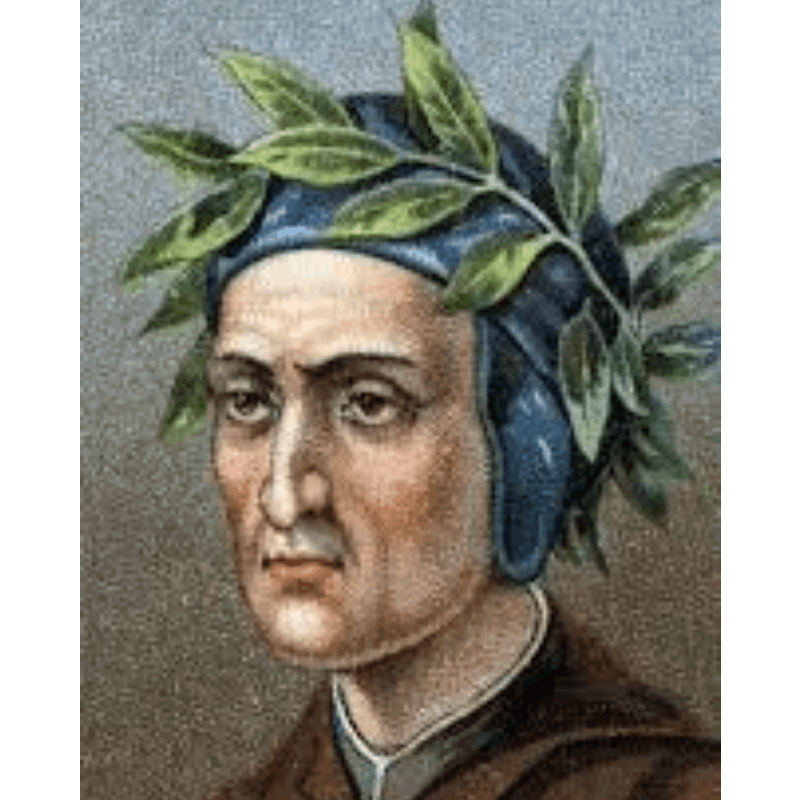
If you’ve ever felt lost in life, Dante wrote the ultimate travel memoir about it. The Divine Comedy (Inferno, Purgatorio, Paradiso) is a cosmic road trip through hell, purgatory, and heaven—with Dante’s ex-crush Beatrice as his GPS. He turned guilt, love, politics, and faith into poetry so beautiful that Italian is sometimes called “Dante’s language.” Bonus: he invented the modern idea of a “midlife crisis” 700 years before therapists existed.
4. Miguel de Cervantes (1547–1616) – The Father of the Novel
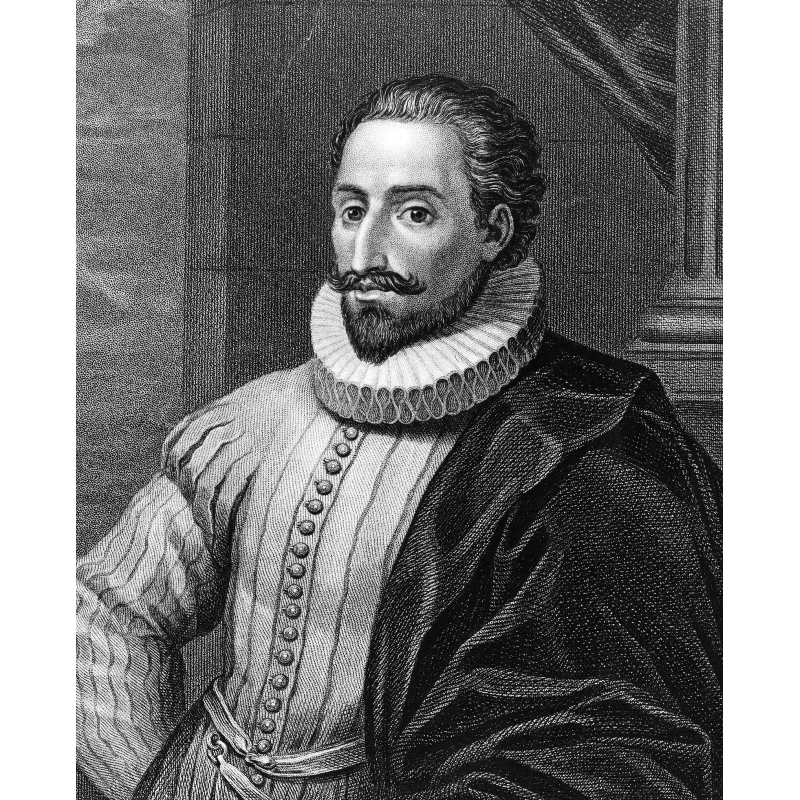
Don Quixote is officially the first modern novel, and it’s still the funniest takedown of delusion ever written. A middle-aged man decides he’s a knight, attacks windmills he thinks are giants, and somehow becomes the most lovable loser in history. Cervantes showed that reality and fantasy aren’t opposites—they’re dance partners. Without him, no Gatsby, no Walter Mitty, no modern literature as we know it.
5. Jane Austen (1775–1817) – The Quiet Revolutionary
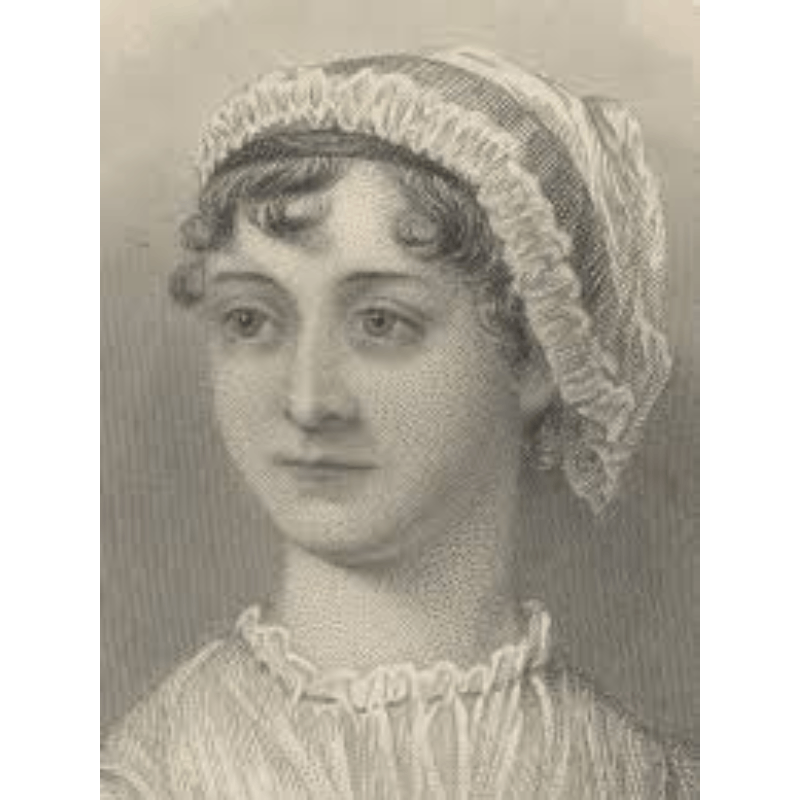
She wrote about marriage plots and marriage in quiet English villages, but don’t be fooled—Austen was savage. With perfect wit, she exposed money, class, and gender hypocrisy while making you laugh out loud. Pride and Prejudice alone has been adapted more times than we can count because Elizabeth Bennet is the original “strong female character” who uses sarcasm as a superpower. She proved you can change the world without ever raising your voice.
6. Fyodor Dostoevsky (1821–1881) – The Psychologist in Disguise
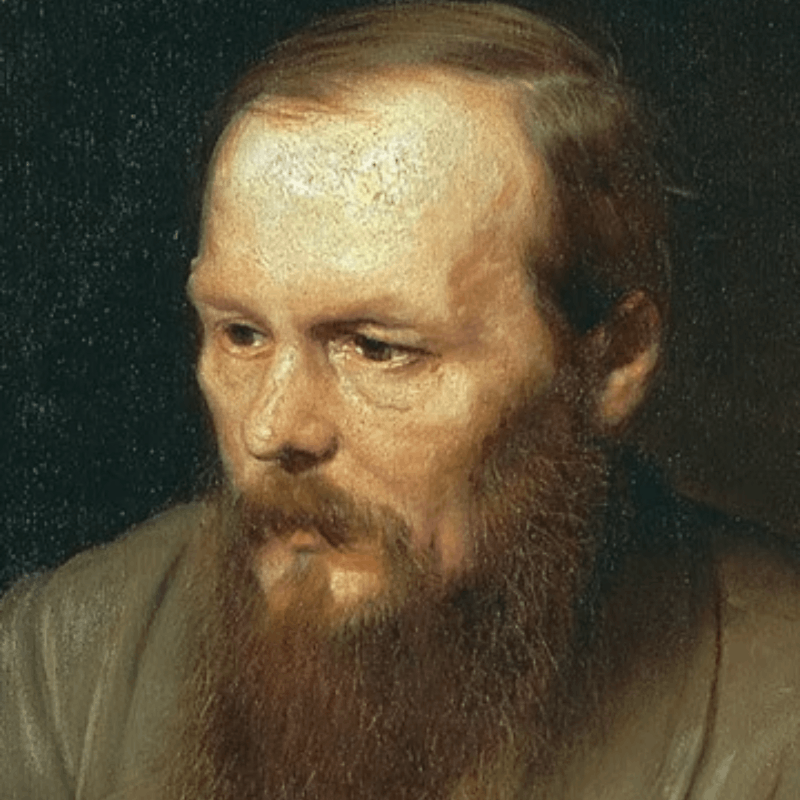
Crime and Punishment, The Brothers Karamazov, Notes from Underground—Dostoevsky crawled inside the darkest corners of the human mind and dragged out everything we’re afraid to admit. Guilt that eats you alive, the thrill of doing something terrible “just to see if you can,” the war between faith and doubt. Freud, Nietzsche, and every therapist you’ve ever had are standing on his shoulders.
7. Leo Tolstoy (1828–1910) – The Man Who Tried to Write the Meaning of Life
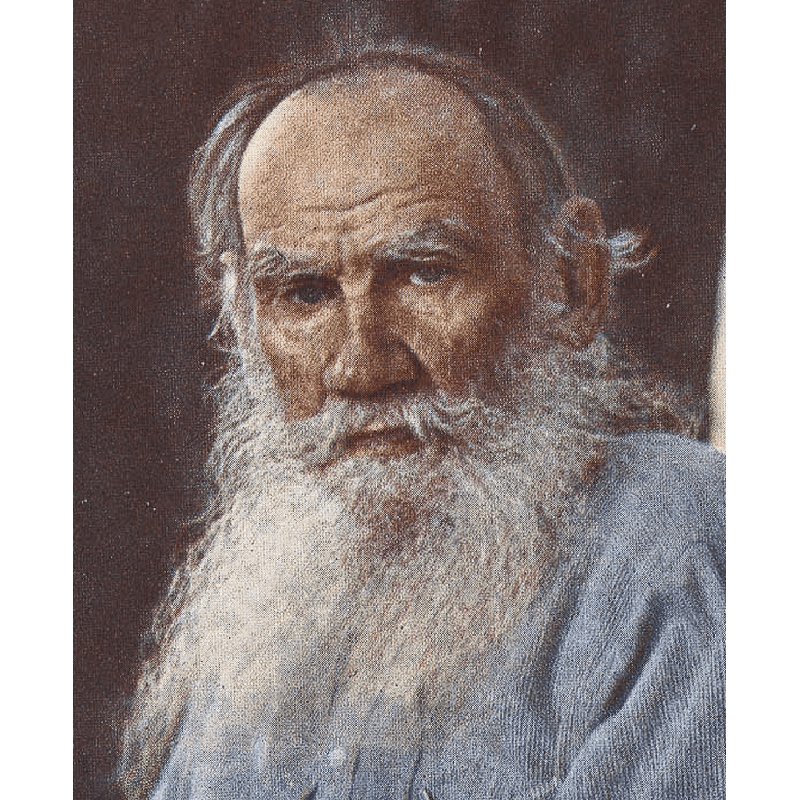
War and Peace is unfairly called “long.” It’s actually a love letter to chaos, fate, and ordinary people caught in history’s gears. Anna Karenina opens with the most famous first line in literature: “All happy families are all alike; every unhappy family is unhappy in its own way.” Tolstoy didn’t just write novels—he built entire moral universes and then dared you to live in them.
8. Charles Dickens (1812–1870) – The Voice of the Voiceless
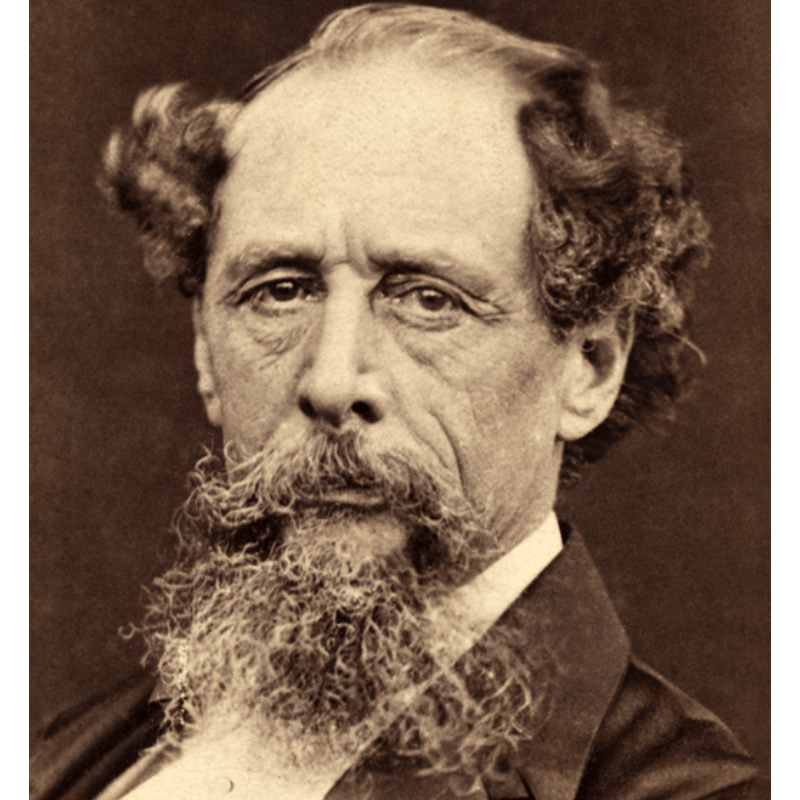
He wrote about orphans, debtors, and street kids at a time when most literature ignored them. A Christmas Carol invented modern Christmas spirit. Oliver Twist gave us the line “Please, sir, I want some more” that still breaks hearts. Dickens turned social justice into page-turners and made empathy profitable.
9. Virginia Woolf (1882–1941) – The Woman Who Wrote the Inside of Your Head
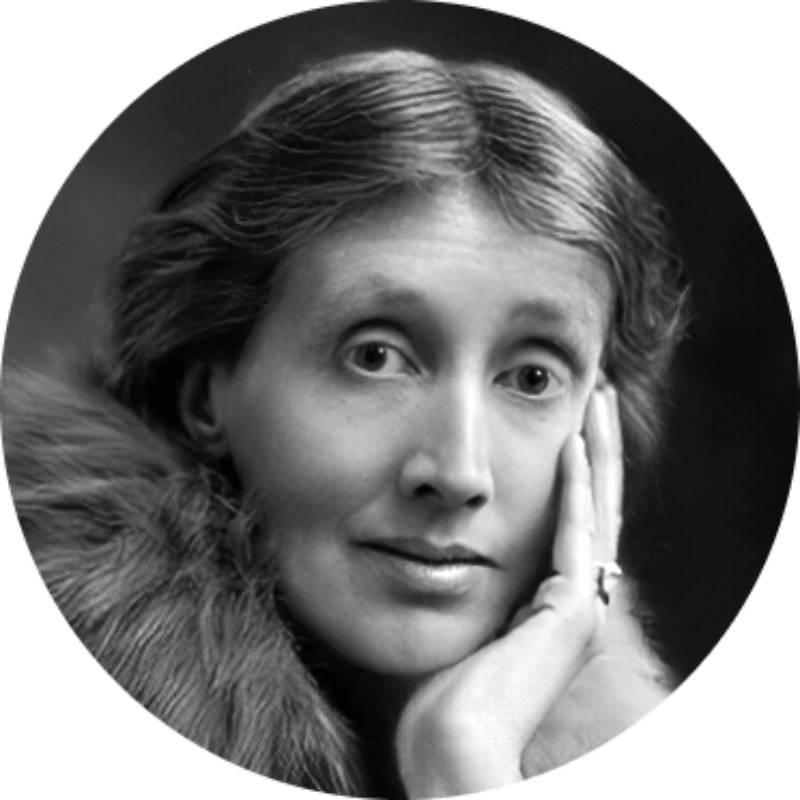
Mrs. Dalloway and To the Lighthouse pioneered stream-of-consciousness writing. Woolf showed that a single day—one party, one walk to buy flowers—can contain an entire lifetime of memory, regret, and beauty. She made the ordinary feel sacred and proved women’s inner lives were worth hundreds of pages.
10. Gabriel García Márquez (1927–2014) – The Magician Who Made Reality Dream
One Hundred Years of Solitude starts with a man facing a firing squad and remembering the day his father took him to discover ice. From there, it’s seven generations of love, war, ghosts, and yellow butterflies in a town cursed to 100 years of insomnia. “Magical realism” was born here, and suddenly the world felt wider, stranger, and more alive.
11. Toni Morrison (1931–2019) – The Poet of Black Pain and Beauty

Beloved is haunted—literally—by the ghost of a baby killed to save her from slavery. Morrison didn’t just write about trauma; she made you feel it in your bones. Her prose is music, her insight merciless and loving at once. She won the Nobel for showing “the life and soul of a people.”
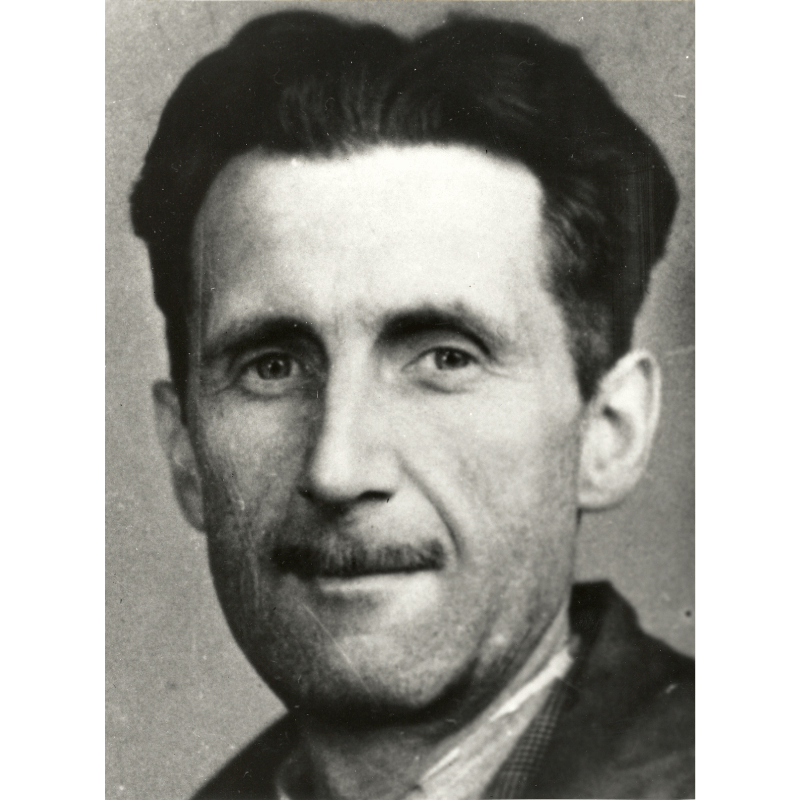
12. George Orwell (1903–1950) – The Prophet We Keep Ignoring
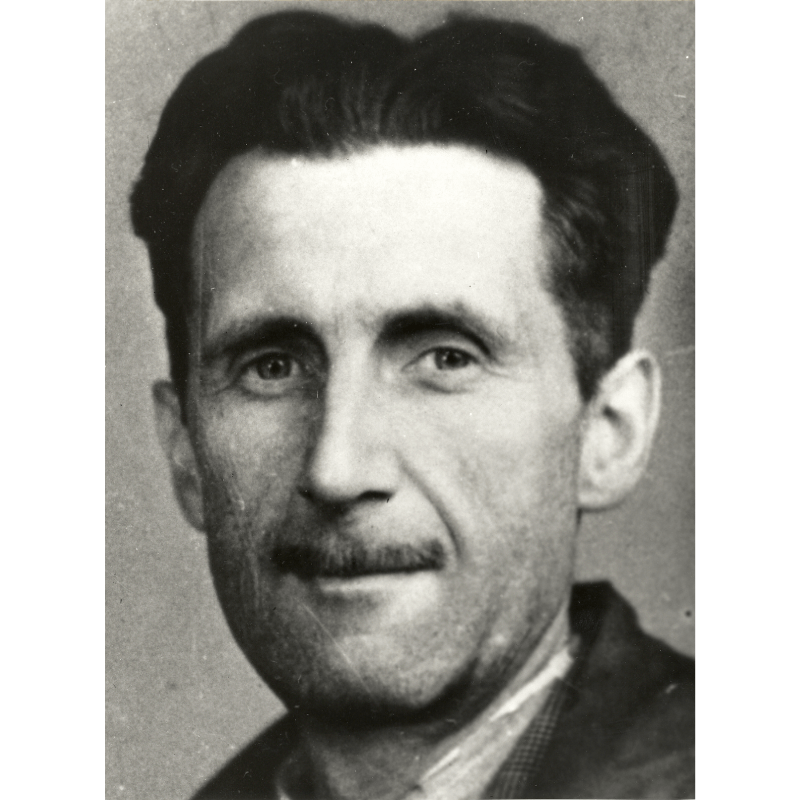
1984 gave us Big Brother, doublethink, and “Orwellian” as a adjective. Animal Farm turned a farmyard into the sharpest political satire ever. He warned us about surveillance, propaganda, and language as a weapon—warnings we quote constantly while scrolling past them.
13. Haruki Murakami (1949– ) – The Dreamer We All Secretly Are
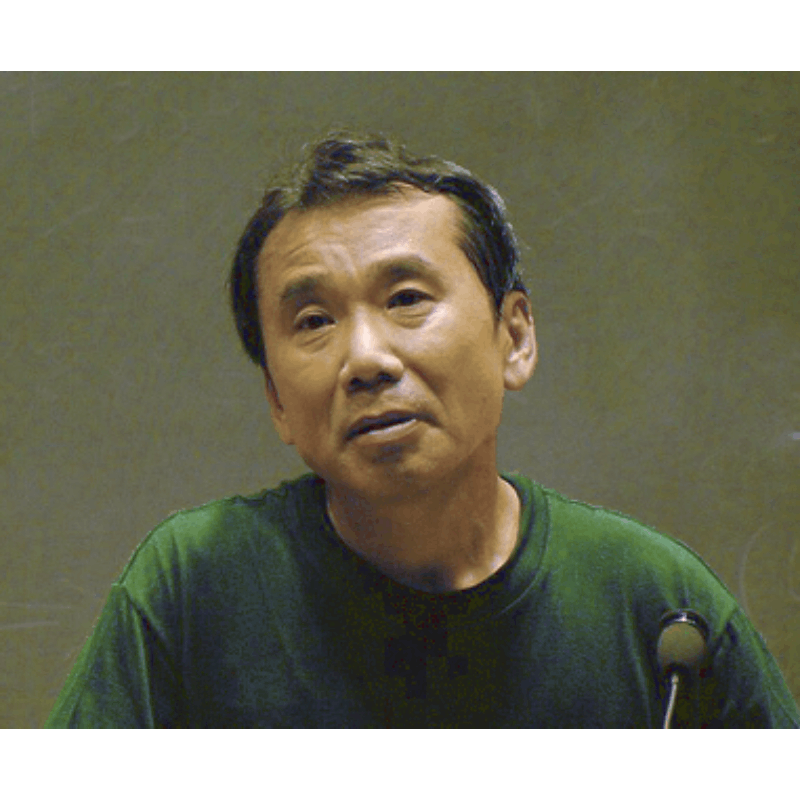
Murakami writes about lonely men, talking cats, parallel worlds, and jazz records at 3 a.m. Somehow, it feels exactly like your own insomnia. His books are comfort food for overthinkers who love running, old vinyl, and wondering if sheep men are real.
14. Chimamanda Ngozi Adichie (1977– ) – The Voice of Now

Half of a Yellow Sun, Americanah, and “We Should All Be Feminists” made her the defining writer of the 21st century so far. She writes about love and war, hair and race, belonging and identity with clarity that feels like a friend telling you the truth over coffee.
15. J.R.R. Tolkien (1892–1973) – The Man Who Built Worlds We Never Want to Leave
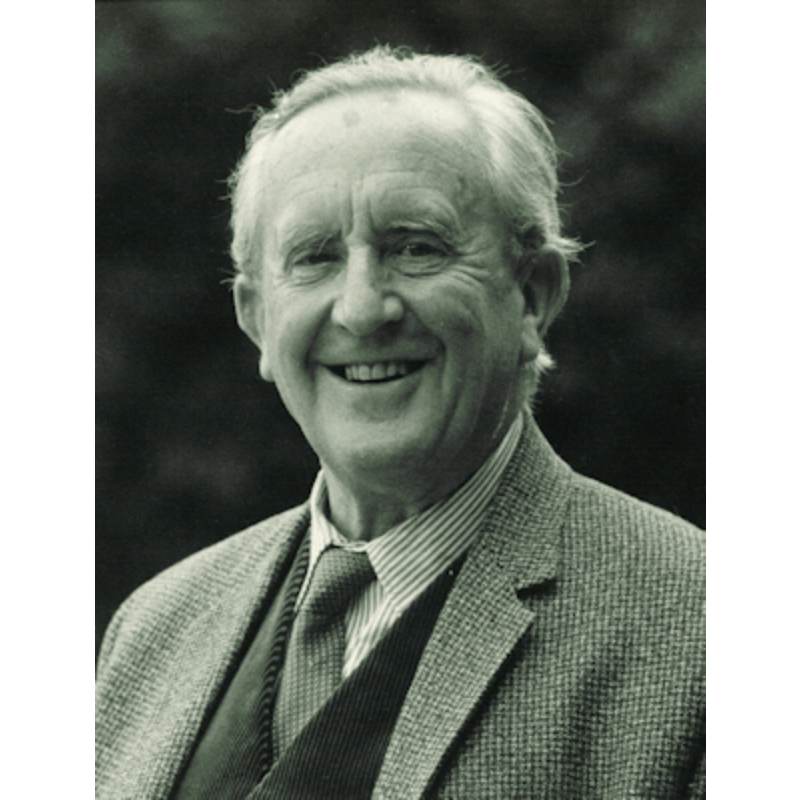
The Lord of the Rings isn’t just fantasy—it’s mythology for the modern age. Tolkien, a linguist who fought in World War I, created entire languages, histories, and cultures because he believed stories could heal a broken world. He was right.
Honorable Mentions (Because Choosing 15 Is Cruel)
Franz Kafka – for making bureaucracy feel like a nightmare you can’t wake from
Emily Dickinson – for saying everything in 8 lines or less
James Baldwin – for truth-telling that burns and heals at once
Rumi – 13th-century poet whose love poems still trend on Instagram
Mary Shelley – for writing Frankenstein at 18 and inventing science fiction
The Beautiful Truth About These Authors
None of them wrote to be “top authors of all time.” They wrote because they were obsessed, heartbroken, furious, or in love with the world. They poured their weird, messy, brilliant humanity onto the page—and somehow that humanity is still alive, still speaking to us across centuries.
That’s the real magic: a book is a time machine operated by empathy.
So here’s my challenge to you: pick one name from this list you’ve never read. Start anywhere—a library, a secondhand shop, an audiobook during your commute. Let them mess with your head and heart a little.
Because the greatest authors don’t just sit on a “top 15” list. They move in with you. And they never really leave.
If absorbing wisdom from these legends feels daunting (some of them wrote doorstoppers, after all—here’s a gentle shortcut: BookFlow turns the best books by these authors (and thousands more) into crystal-clear summaries, key insights, memorable quotes, and practical frameworks you can actually use next week. Ten minutes with BookFlow = the life-changing essence of a 600-page masterpiece.
Ready to meet the minds that shaped history—without the 3 a.m. reading slump?
Download BookFlow today and let the greatest authors of all time whisper their secrets straight to your brain.
You’ll thank me when Shakespeare starts narrating your next awkward family dinner. 😏