
In What Book Did the Term American Dream First Appear?
The American Dream is a cornerstone of the United States, a concept that captures the hope and aspiration for a better life, marked by opportunity and success. It's a vision that resonates deeply in the hearts of many, symbolizing the idea that anyone, regardless of their background, can achieve their goals through hard work and determination. This dream has inspired countless individuals, from immigrants seeking a new beginning to entrepreneurs dreaming of their own businesses.
In American culture, the American Dream serves as both a guiding principle and a source of motivation. It's woven into the fabric of our history, present, and future, offering a framework for personal success. For instance, consider the story of a young immigrant arriving in America with little more than a suitcase and a vision. Through grit and persistence, they build a thriving business, exemplifying the very essence of the American Dream.
But have you ever wondered, in what book did the term American Dream first appear? This question opens the door to exploring the origins of a concept that has shaped not only individual lives but also the collective identity of a nation. Understanding the roots of this idea can deepen our appreciation for its significance and impact throughout history. As we delve into this intriguing inquiry, we'll uncover the narrative that surrounds the American Dream and its enduring relevance in today’s society.
The Birth of the Term American Dream
The term "American Dream" first graced the pages of James Truslow Adams' book, The Epic of America, published in 1931. Adams, an American writer and historian, was deeply influenced by the tumultuous events of his time, particularly the Great Depression. In this context, he sought to articulate the aspirations and hopes of a nation facing economic hardship and social upheaval.
In The Epic of America, Adams defines the American Dream as “that dream of a land in which life should be better and richer and fuller for everyone, with opportunity for each according to ability or achievement.” This vision emphasized not just material wealth but also the pursuit of happiness and personal fulfillment. Adams believed that America offered a unique promise, the chance for individuals to rise above their circumstances through hard work and determination.
What makes this concept so compelling is its relatability. Imagine a young immigrant arriving at Ellis Island with little more than a dream and the clothes on their back. They embody the hope that Adams spoke of, a desire for a brighter future, not just for themselves, but for their families and future generations. This narrative resonates deeply within the American psyche, reminding us that, regardless of our beginnings, we are all part of a larger story of aspiration and resilience.
As we explore the origins of the term, we find that it is not merely a phrase but a powerful idea that continues to inspire and provoke thought about our society's values and goals.
Understanding the American Dream in Historical Context
To understand the American Dream in its historical context, we first need to consider the socio-economic conditions present when the term was coined. The phrase "American Dream" first appeared in James Truslow Adams’ 1931 book, The Epic of America. This was during the Great Depression, a time when economic hardship was pervasive, and many families were struggling to make ends meet. With unemployment rates soaring to around 25%, the promise of upward mobility and success felt increasingly distant for a significant portion of the population. Adams articulated that the American Dream was about more than just wealth; it was about the opportunity for individuals to achieve personal success, regardless of their starting point in life.
Over the decades, the American Dream has evolved. In the post-World War II era, the dream took on new dimensions. Home ownership became a key symbol of success, as thousands of returning veterans benefited from the G.I. Bill, leading to a boom in suburban living. By the 1960s, the dream expanded to encompass civil rights and economic equality, with figures like Martin Luther King Jr. emphasizing that the American Dream should be accessible to all, regardless of race or background.
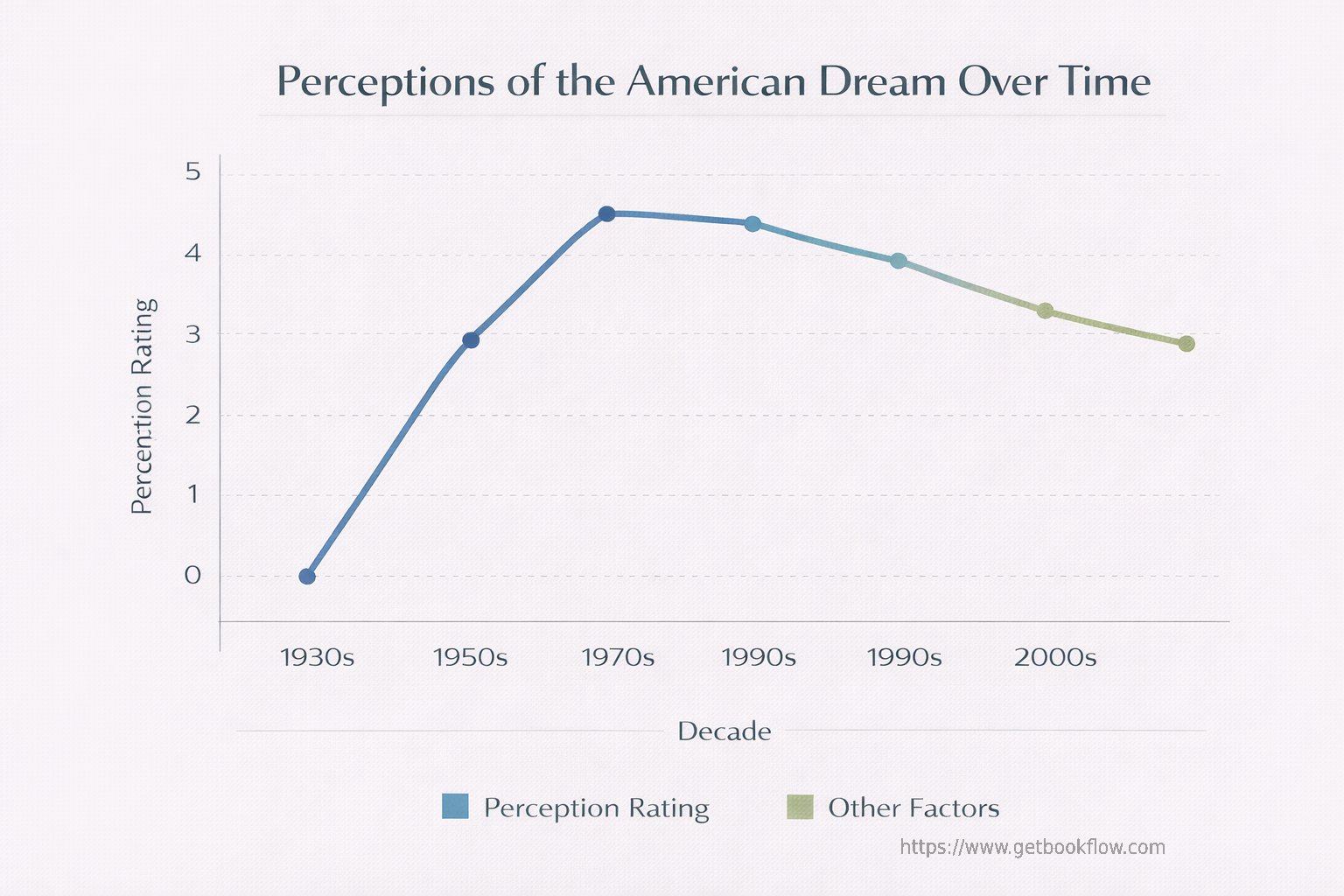
Today, perceptions of the American Dream are more nuanced. According to a recent survey, only 57% of Americans believe in the traditional notion of the American Dream, compared to 92% in 1961. This dramatic shift reflects changing attitudes about success, happiness, and what it means to lead a fulfilling life. As we navigate this complex landscape, it’s important to remember that the heart of the American Dream remains, the enduring hope for a better future, not just for ourselves, but also for the generations that come after us.
The Significance of the American Dream Today
The American Dream continues to hold a significant place in the hearts and minds of many, even as its definitions and interpretations evolve. Originally popularized in James Truslow Adams' book "The Epic of America," the term reflects a collective aspiration for prosperity and success. Today, however, the meaning of this dream varies widely across different demographics and life experiences.
Recent surveys reveal that only about 57% of Americans believe in the traditional notion of the American Dream, a stark contrast to the 92% who held this belief in 1961. This decline invites us to ponder what the American Dream truly means in a modern context. For some, it is still about homeownership and financial security, while for others, it has transformed into a quest for personal fulfillment, work-life balance, and social justice.
For instance, younger generations often prioritize experiences over material possessions, viewing the American Dream as a chance to pursue passions rather than merely accumulating wealth. A recent study found that 72% of millennials believe that achieving a meaningful career is essential to their vision of the American Dream. On the other hand, older generations might still place emphasis on traditional milestones, such as stable jobs and owning a home.
As we reflect on these shifting perspectives, it becomes clear that while the American Dream may be interpreted in various ways, it still embodies an enduring hope for a better future, one that resonates with individuals across the spectrum, driving them to strive for something greater, not just for themselves but for their families and communities as well.
Conclusion
In conclusion, we’ve journeyed through the origins of the term "American Dream," tracing its roots back to James Truslow Adams' influential book, The Epic of America. This foundational text not only introduced the phrase but also laid the groundwork for a concept that has evolved over the decades. We explored how the American Dream has been redefined through the lens of personal aspirations, economic realities, and cultural shifts. Whether it's the pursuit of educational achievements, entrepreneurial ventures, or social mobility, each interpretation reflects our collective hopes and ambitions.
As you ponder the question of "in what book did the term American Dream first appear," I encourage you to reflect on your own understanding of this ideal. What does the American Dream mean to you? Perhaps it’s a vision of owning a cozy home filled with laughter, or it might be the freedom to create and innovate in your field. Maybe, for you, it involves making a difference in your community or ensuring a better future for the next generation.
In today’s fast-paced world, the essence of the American Dream remains a personal journey. By recognizing the diversity of its meanings, we can appreciate the unique paths we all take toward fulfillment. So, take a moment to consider your dreams and how they align with this timeless concept. Your pursuit might just inspire someone else to chase theirs, creating a ripple effect of hope and ambition that transcends generations.