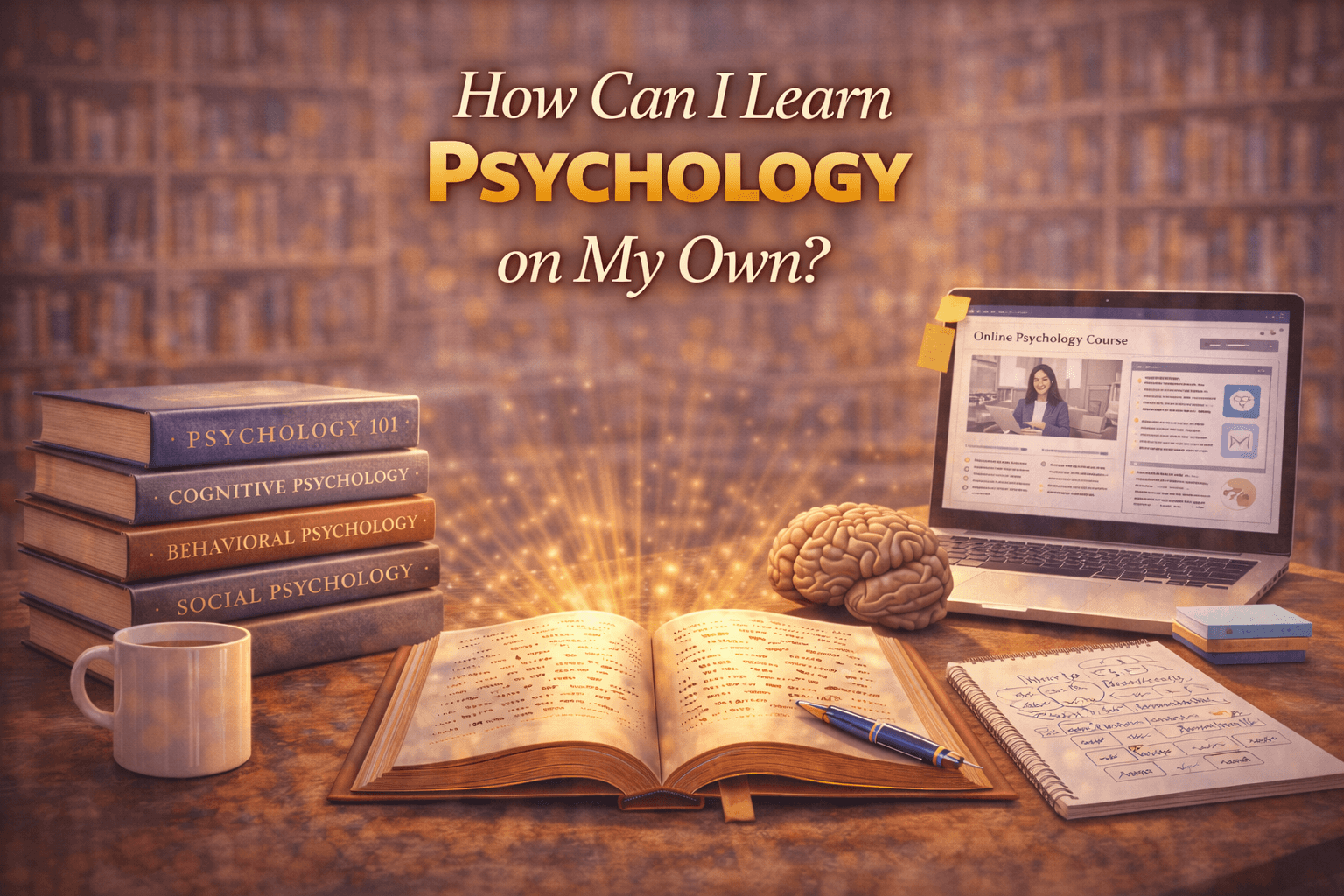
In recent years, there has been a remarkable surge in interest around the field of psychology, especially among those eager to learn on their own. Whether you’re a busy professional, a curious student, or simply someone looking to deepen their understanding of human behavior, the desire to explore this fascinating subject is becoming more common. According to a 2021 survey by the American Psychological Association, over 70% of people expressed interest in learning about psychology, highlighting the universal appeal of understanding ourselves and others.
So, why seek to understand psychology? The benefits are countless and extend far beyond academic knowledge. Imagine navigating daily interactions with a new lens, one that helps you comprehend the motivations behind your colleagues' decisions, the emotional cues of your friends, or even the underlying factors driving your own habits. For instance, a simple understanding of cognitive biases can transform your decision-making process, leading to more thoughtful choices both personally and professionally. This newfound awareness can enhance your relationships, improve communication skills, and foster empathy.
As you embark on this journey of self-education, you might find yourself wondering, "How can I learn psychology on my own?" Rest assured, there are plenty of resources and strategies available to guide you. In this blog post, we will explore various methods to delve into psychology, empowering you to enrich your life and the lives of those around you.
Identifying Your Learning Style
Understanding how you learn best can significantly enhance your self-education journey in psychology. Everyone has unique learning preferences, which typically fall into three main categories: visual, auditory, and kinesthetic.
If you're a visual learner, you might find that diagrams, charts, and videos help you grasp concepts more effectively. For example, you could explore psychology documentaries or educational YouTube channels that visually illustrate theories and case studies, making the material come alive.
On the other hand, if you identify as an auditory learner, you may benefit from podcasts and audiobooks. Listening to discussions or interviews with psychologists can provide insights that resonate with you. I remember tuning into a podcast about cognitive behavioral therapy while commuting. The engaging conversations not only kept me entertained but also deepened my understanding of the topic.
Kinesthetic learners thrive on hands-on experiences. If this sounds like you, consider participating in workshops or applying psychological principles in real-life situations. You might volunteer in community programs or even conduct small experiments to see theory in action.
As you ponder how to learn psychology on your own, take a moment to assess your learning style. Reflect on past experiences and think about the methods that have resonated most with you. This self-awareness can guide you in choosing resources and activities tailored to your preferences, making your learning journey enjoyable and effective.
Recommended Resources for Self-Study
When it comes to answering the question, "How can I learn psychology on my own," the right resources can make all the difference. Here’s a curated list of some excellent materials that can enhance your self-study experience in psychology.
Books
Books remain a timeless source of knowledge, and psychology is no exception. Some foundational texts you might find enlightening include:
"Thinking, Fast and Slow" by Daniel Kahneman: This book dives into the dual systems of thought and how they affect our decision-making. Kahneman’s insights are both profound and accessible, making it a must-read for anyone interested in psychology.
"The Power of Habit" by Charles Duhigg: Duhigg explores the science of habit formation and its impact on our lives. It’s an engaging read that combines research and storytelling, making complex ideas easy to grasp.
"Man's Search for Meaning" by Viktor E. Frankl: This powerful memoir and psychological exploration looks at finding purpose even in the most challenging circumstances. Frankl’s experiences provide a deeply human perspective on psychology.
For those interested in popular psychology, books like "Blink" by Malcolm Gladwell or "Quiet" by Susan Cain can be both enlightening and enjoyable. They illustrate psychological concepts through real-world situations, making them easier to relate to and understand.
Online Courses
If you prefer structured learning, online courses offer an excellent way to dive deeper into psychology. Platforms like Coursera and edX provide a variety of courses from reputable universities. For example:
Coursera’s "Introduction to Psychology" by Yale University: This course covers fundamental concepts and introduces students to psychological theories and practices. It’s engaging and accessible, making it perfect for beginners.
edX’s "Psychology 101" from the University of California, Berkeley: This self-paced course offers insights into major psychological theories and research, complete with interactive assignments.
These platforms often allow you to set your own pace, fitting your study into your busy life.
Podcasts and YouTube Channels
Incorporating audio and visual learning can enhance your understanding of psychological concepts. Podcasts like "The Psychology Podcast" hosted by Scott Barry Kaufman feature conversations with leading psychologists and cover a broad range of topics that will pique your interest.
On YouTube, channels such as "Psychology In Seattle" and "CrashCourse Psychology" provide engaging content that simplifies complex ideas, allowing you to learn through engaging discussions and animated explanations.
As you explore these resources, remember that learning psychology on your own can be a rewarding and enriching journey. Enjoy the process of discovery, and allow yourself the space to grow and evolve in your understanding of the human mind.
Engaging with the Psychology Community
Engaging with the psychology community can significantly enhance your self-directed learning experience. When you ask yourself, "How can I learn psychology on my own?" connecting with others who share your interests is a fantastic way to deepen your understanding and spark new ideas.
One great way to start is by joining online forums and discussion groups. Websites like Reddit and specialized psychology platforms host vibrant communities where enthusiasts and professionals alike discuss various topics. For instance, participating in a subreddit like r/Psychology can help you share insights, ask questions, and receive feedback from a diverse group of individuals. Engaging in discussions not only reinforces what you’ve learned but also exposes you to different perspectives and real-world applications of psychological theories.
In addition to online spaces, consider attending local workshops or webinars. These events offer a chance not only to learn from experts but also to network with other learners. For example, I once attended a workshop on cognitive behavioral therapy, which allowed me to engage directly with the facilitator and other participants. The conversations that followed inspired me to explore related areas of psychology that I hadn't considered before. Plus, connecting with like-minded individuals can lead to lasting friendships and collaborative learning experiences.
According to recent statistics, the growth of online psychology communities has surged by over 40% in the past two years, highlighting a significant shift in how people engage with this fascinating field. This growth reflects an increasing desire to connect and share knowledge, making it easier than ever to find support on your journey of self-education. So, immerse yourself in these communities, they’re not just resources, but gateways to a deeper understanding of psychology and the human experience.
Practical Application of Psychological Concepts
One of the most rewarding aspects of learning psychology on your own is the opportunity to apply what you discover in real-life scenarios. Understanding psychological concepts can significantly enhance your relationships and decision-making skills.
For example, let’s consider the concept of active listening. When you learn about this technique, you might realize how often conversations slip into a pattern where one person speaks while the other simply prepares their next response. By practicing active listening, fully focusing, understanding, responding, and reflecting on what the other person says—you can transform your interactions. Imagine a situation where a friend shares a personal challenge. Instead of jumping in with advice, you listen intently, validating their feelings. This not only deepens your connection but can also lead to more meaningful conversations.
Another practical application is understanding cognitive biases. For instance, the confirmation bias, the tendency to favor information that confirms our existing beliefs, can impact decision-making. Let’s say you’re considering a job change. By recognizing this bias, you might take a step back to actively seek out diverse perspectives and data instead of just confirming what you already believe. This practice can lead to more rational and informed choices.
Applying these concepts in everyday life not only enriches your own experiences but can also positively influence those around you. So, as you explore the question "How can I learn psychology on my own," remember that the real magic lies in putting theory into practice. Each interaction becomes a chance to experiment and grow, both personally and relationally.
Conclusion
As we wrap up our exploration of how to learn psychology on your own, it’s essential to reflect on the key steps that can guide you on this rewarding journey. First, immerse yourself in the foundational texts and contemporary literature that spark your curiosity. Whether it’s delving into classic works like Freud’s “The Interpretation of Dreams” or contemporary research articles on cognitive behavior, the choice is yours. Remember to take notes and jot down your thoughts as you read; this helps deepen your understanding.
Next, consider enrolling in online courses or participating in webinars. Platforms like Coursera and edX offer a variety of psychology courses taught by esteemed professors. These courses can provide structure and a sense of community as you learn alongside fellow enthusiasts.
Furthermore, engage with like-minded individuals through forums or local study groups. Sharing insights or discussing complex theories with others can illuminate perspectives you hadn’t considered, enriching your learning experience.
Lastly, always bring your newfound knowledge into your daily life. Perhaps you might observe your interactions and analyze them through a psychological lens. For example, understanding the basics of human motivation can profoundly impact your relationships and work dynamics.
Now that you have a roadmap, why not take the first step today? Pick up a book, sign up for that online course, or even join a discussion group. The world of psychology awaits you, and the journey of understanding both yourself and others can be life-changing. Embrace it with an open heart and mind.
Take Your Reading Further with BookFlow
If you've found value in these insights, imagine having AI-powered summaries, action steps, and frameworks at your fingertips for every book you read. BookFlow transforms how you extract knowledge from books, giving you the key takeaways and practical steps without spending hours reading.
Whether you're looking to implement new strategies quickly or build a habit of continuous learning, BookFlow makes it effortless. Try it free today and turn your reading into actionable results.