Can I Learn Psychology on My Own?
In our fast-paced world, the quest for understanding the human mind has never been more vital. The growing interest in psychology reflects our desire to navigate our emotions, relationships, and societal dynamics. Whether it’s through the lens of self-help books, podcasts, or online courses, many of us are asking, "Can I learn psychology on my own?"
Imagine a college student, overwhelmed by the pressures of exams and personal issues, picking up a book on emotional intelligence. As they delve into the pages, they begin to uncover insights about their own behaviors and relationships, leading to more mindful interactions with peers. This transformative journey is not uncommon. In fact, a recent survey found that over 60% of people are interested in psychology, driven by a desire for personal growth and understanding.
Self-learning in psychology is not just a possibility; it’s a path many are embracing. With the advent of online education platforms and a wealth of resources at our fingertips, it’s easier than ever for anyone, from a busy professional to a curious student, to explore this field independently. The ability to learn about cognitive processes, emotional well-being, and social dynamics can empower us to make informed decisions in our lives.
As we embark on this exploration together, let’s dive into the tools and strategies that can help you navigate the fascinating world of psychology on your own terms.
Understanding Psychology Basics
Psychology is the scientific study of the mind and behavior, a field that delves into how we think, feel, and interact with one another. It’s a rich tapestry woven from various threads, and its main branches include clinical psychology, cognitive psychology, developmental psychology, social psychology, and many more. Each of these branches offers unique insights that can help us understand ourselves and the world around us better. For instance, clinical psychology focuses on diagnosing and treating mental health issues, while social psychology examines how our thoughts and behaviors are influenced by the presence of others.
Before you dive into the depths of this fascinating discipline, it’s essential to establish a solid foundational knowledge. Think of psychology as a vast ocean. Without understanding the currents and waves near the shore, you might find yourself adrift in deeper waters without a life raft. For example, grasping the basics of psychological theories, such as behaviorism or humanism, can significantly enhance your understanding of more complex concepts later on.
Asking yourself, "Can I learn psychology on my own?" is a great starting point. With the right resources, books, online courses, or even podcasts, you can build your knowledge step by step. Just like a tree needs strong roots to grow tall, you’ll benefit from a thorough grounding in psychology's fundamental principles as you explore its many branches.
Resources for Self-Learning Psychology
When you're pondering the question, "Can I learn psychology on my own?" the good news is that there are numerous resources available to guide your journey. Here, I’ll highlight beginner-friendly books and engaging online courses that can help you dive into the fascinating world of psychology.
Books and Textbooks
Starting with books, there’s a treasure trove of accessible texts that provide a solid foundation. One such book is “Psychology: The Science of Mind and Behaviour” by Michael W. Eysenck. This textbook offers clear explanations and covers a wide range of topics, making it perfect for self-learners. Another great choice is “Thinking, Fast and Slow” by Daniel Kahneman, which delves into how we think and make decisions. These books not only introduce you to key concepts but also encourage critical thinking, an essential skill in psychology.
Online Courses and Platforms
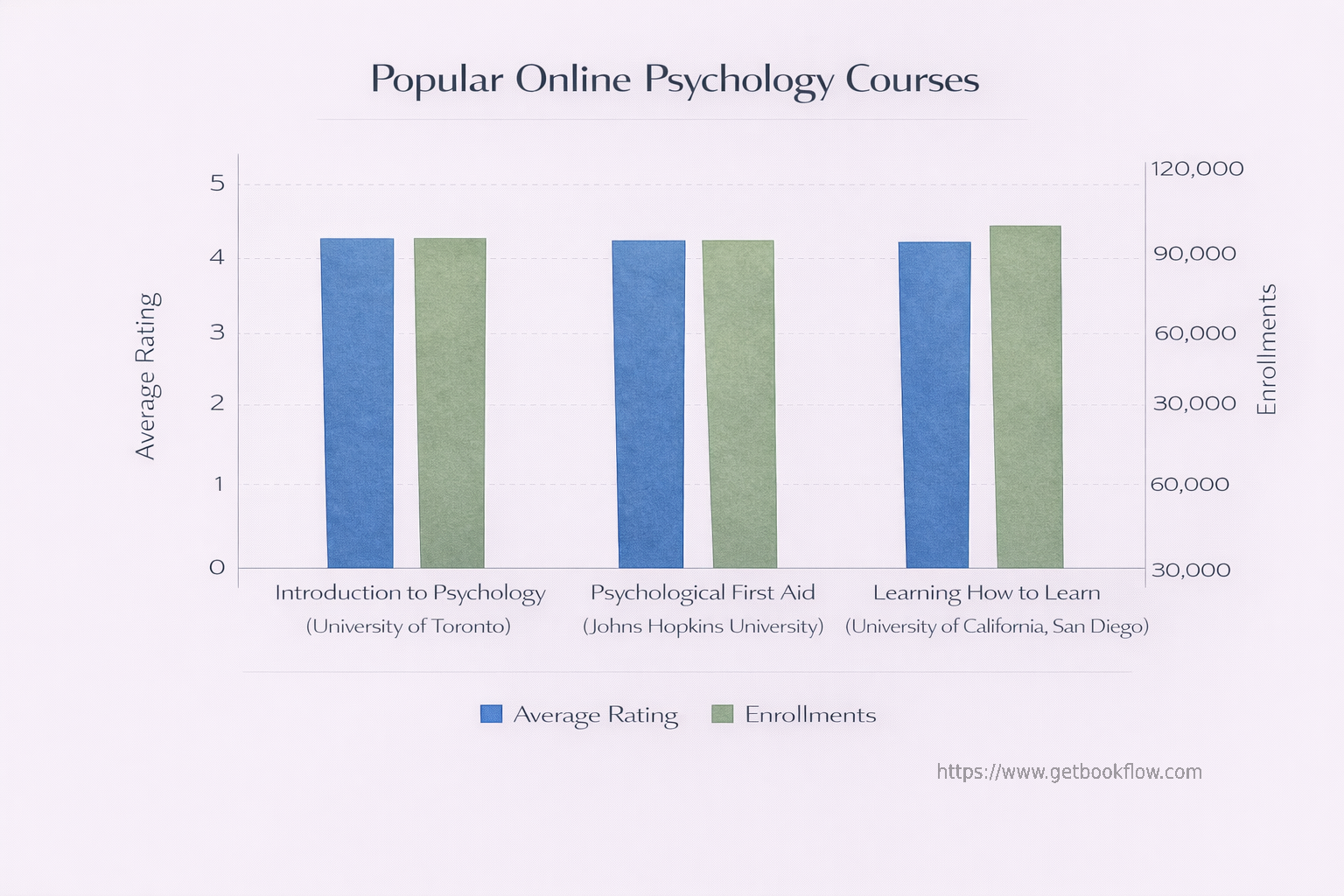
If you prefer a more interactive approach, online courses can be incredibly helpful. Platforms like Coursera and edX offer a variety of psychology courses from well-known universities. For instance, the University of Toronto’s "Introduction to Psychology" course has garnered positive reviews, with over 100,000 enrollments. According to recent statistics, the top three online psychology courses, on platforms like Coursera and Udacity, received an average rating of 4.5 out of 5 stars, indicating high satisfaction among learners.
Incorporating these resources into your self-study routine will not only answer your burning question but also enrich your understanding of this complex field. Remember, learning psychology on your own is not just about acquiring knowledge; it's about developing a deeper insight into human behavior and the world around you.
Strategies for Effective Self-Learning
Setting goals and creating a study plan are essential steps in your self-learning journey, especially when pondering, "Can I learn psychology on my own?" By establishing clear, achievable goals, you can create a roadmap that guides your studies. For instance, you might set a goal to read one psychology book each month or complete a specific online course by a certain date. This not only keeps you motivated but also helps to create a sense of accomplishment as you tick off each milestone.
A practical study plan could incorporate a mix of activities. Perhaps you dedicate Mondays to reading, Wednesdays to watching lecture videos, and Fridays to summarizing what you've learned. By structuring your time this way, you give yourself the best chance to absorb and engage with the material.
In addition to your individual studies, consider connecting with others through study groups and online forums. Engaging in discussions with fellow learners can deepen your understanding and introduce you to diverse perspectives. Platforms like Reddit and various Facebook groups offer vibrant communities where you can ask questions, share insights, and find motivation. For example, a study group may discuss the latest psychological research or challenge one another with thought-provoking questions, which can lead to rich discussions and a deeper grasp of concepts.
Remember, learning does not always have to be a solitary endeavor. By setting goals and collaborating with others, you can create a supportive and enriching environment that enhances your self-learning experience. Embrace the journey and enjoy the process of discovering the nuances of psychology.
Challenges and How to Overcome Them
When embarking on the journey of self-learning in psychology, you might encounter a few common challenges that can feel overwhelming. One major obstacle is the vastness of the subject itself. Psychology encompasses various branches, theories, and terminologies, which can leave you feeling lost at times. According to a survey conducted by the Online Learning Consortium, 70% of online learners report feeling isolated. This feeling of isolation can be a significant barrier to motivation.
To overcome these challenges, it’s vital to establish a structured learning plan. Set clear, achievable goals for yourself, like dedicating specific hours each week to studying certain topics, whether it’s developmental psychology or cognitive behavioral theories. This helps create a roadmap and keeps your learning focused.
Staying motivated can be difficult, especially without external accountability. Consider forming a study group, even if it’s a virtual one. Engaging with others can provide support and encouragement. For instance, I once joined an online forum dedicated to psychology enthusiasts. Sharing insights and discussing theories with fellow learners made the material more engaging and less daunting.
Additionally, keep track of your progress. Use apps or journals to note what you’ve learned and reflect on your journey. Reward yourself for milestones, perhaps a treat for finishing a book or completing a course module. These small celebrations can boost your motivation.
Remember, yes, you can learn psychology on your own, but it doesn’t have to be a lonely path. By recognizing the challenges and implementing strategies to navigate them, you’ll find your way through this fascinating field. Embrace the process and enjoy every step of your learning adventure.
Applying What You Learn
As you embark on the journey of learning psychology independently, it’s essential to consider how to apply what you’ve learned in everyday life. Understanding psychological concepts can be incredibly enriching, not just for your career aspirations but also for enhancing your personal relationships and self-awareness.
One practical way to practice psychology daily is by observing your interactions with others. For instance, when you engage in conversations, try applying active listening techniques. This means fully concentrating on what someone is saying, rather than just waiting for your turn to speak. You might notice how this approach fosters deeper connections and empathy. You could even keep a journal to reflect on these interactions, noting how various psychological principles, such as cognitive dissonance or social facilitation, play out in real life.
Additionally, many self-taught psychologists find fulfillment in sharing their knowledge. Consider starting a blog or a vlog to discuss psychological theories or concepts that resonate with you. This not only reinforces your learning but also helps you connect with others who share your interests.
If you’re pondering potential career paths, the world is full of opportunities for self-taught psychologists. You could explore fields like counseling, becoming a life coach, or even diving into human resources, where understanding group dynamics and motivation can be invaluable. Many successful entrepreneurs leverage psychological principles to enhance their marketing strategies or improve team dynamics, proving that applying psychology can lead to meaningful career advancements.
In essence, yes, you can learn psychology on your own and apply it in ways that enrich both your life and the lives of those around you. Embrace this journey of discovery, and let your passion guide you to potential pathways ahead.
Take Your Reading Further with BookFlow
If you've found value in these insights, imagine having AI-powered summaries, action steps, and frameworks at your fingertips for every book you read. BookFlow transforms how you extract knowledge from books, giving you the key takeaways and practical steps without spending hours reading.
Whether you're looking to implement new strategies quickly or build a habit of continuous learning, BookFlow makes it effortless. Try it free today and turn your reading into actionable results.